Categories
Uncategorized

Absurd And Brilliant 1980s Consumer Electronics Commercials

If you’ve been reading this website for a while, you’ll know that I post a lot of old print adverts and catalogs featuring 1920’s – 1980’s audio equipment.  I collect this sort of paper and I have 1000s of pieces of this stuff that I am slowly bringing online for y’all.

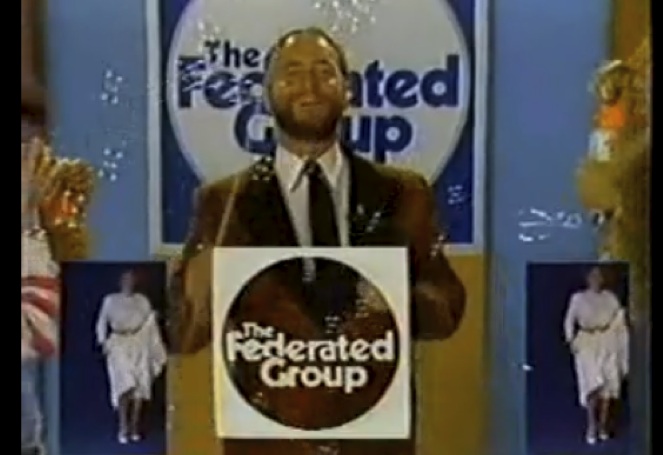
Larger consumer electronics chains also produced adverts for cable and local television broadcast.  Most of them were negligible affairs driven solely by budget concerns, but every field will have its mavericks.  My good friend GJ turned me on to the collected television advertising of the Federated chain of stores. GJ: “…the Federated spots…were done by Shadoe Stevens when he was a young unknown playing a guy named Fred. They were small time/ cheap and weird and made a little shop really popular. Developed a cult following…some are amazing and inspiring.”  No small praise coming from GJ, a fine director himself.  You can watch his latest production, a music video for the fantastic group Peaking Lights, at this link.

I won’t offer any analysis or commentary on the Federated spots, as one could quite literally write a book about this series of spots:  there is that much going on as far as the highly intertextual and media-aware nature of these little narratives, the smart visual language, and the savvy use of minimal production bucks to create memorable advertising that really does relate well to actual consumer-benefit of the products offered.  So get ready for a journey through time and space:
Categories
Recording Studio History Uncategorized

An opinon piece that laments the ‘good old days’ of old-school music production (1958)

Download a four-page article from “High Fidelity Music at Home” (yes this was the title of an ancient magazine…) circa 1958 on the subject of Oh How Things Have Changed (in Jazz recording):

DOWNLOAD: HFMAH-5804-Jass_Band

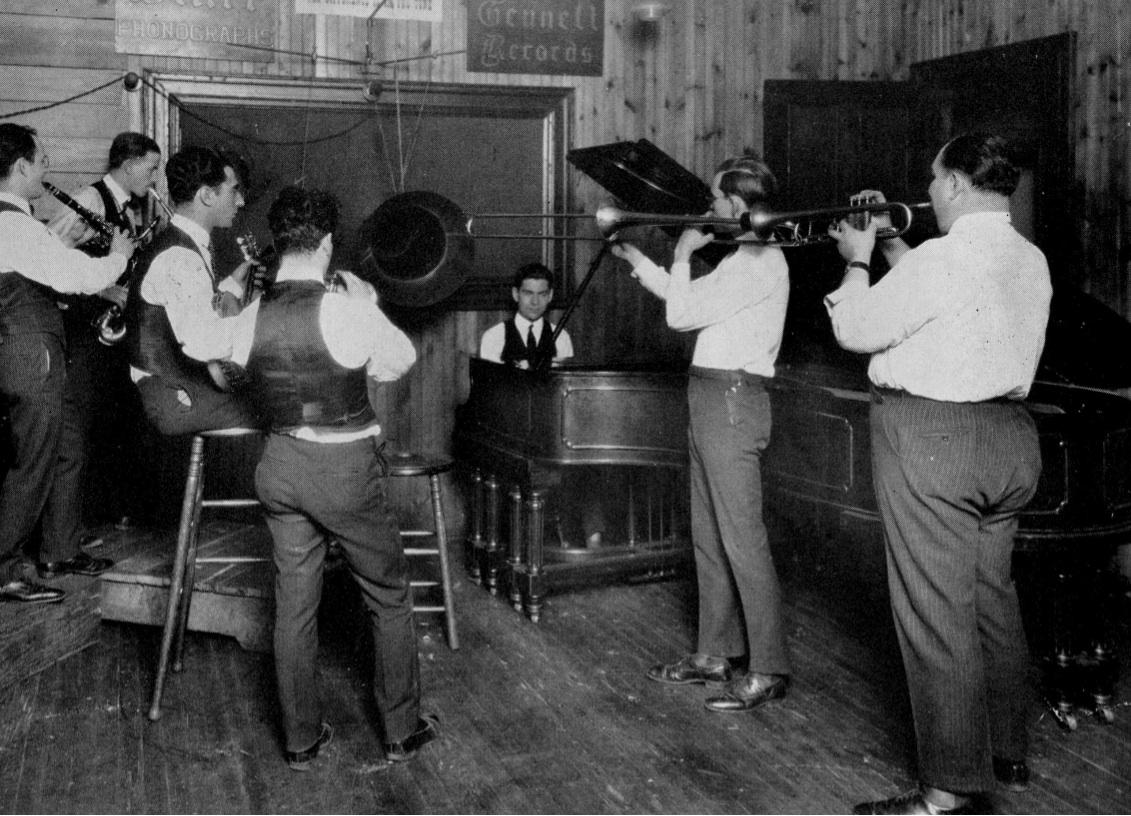
Yeah yeah sure DAWs have changed music, MP3, etc., etc…  but how about electricity? I recently started reading a couple of books from Mainspring Press on the subject of “Recording the Twenties” and “Recording the Thirties.”  It’s a little tough for me to get through owing to the fact that I have no interest in the vast majority of music that the author discusses, but shit if I am going to sit here and harp on and on about audio history, maybe I should have some of the facts straight?  NEways…  some interesting stuff for sure.  I bought an old spring-powered Victrola for a few bucks at an auction last week and ran some 78s on it… it sure didn’t sound great but music came out.  Music made and recorded without the benefit of microphones, speakers, wires, or electricity.  Crazy right?

A “Jass” session for Gennet Records circa 1923.  All of the sound happening in that room vibrates a small metal diaphragm located somewhere down in the bowels of that wall-mounted horn; this diaphragm is mechanically coupled to a needle that cuts a varying groove into a spinning disc.  A record is made.

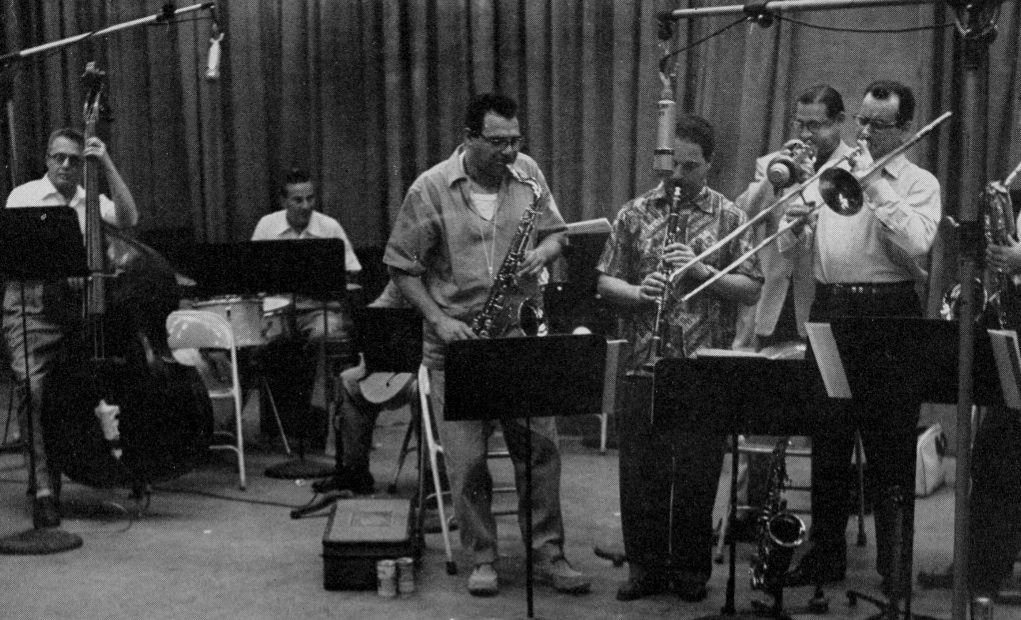
A Jazz session circa 1958.  The sounds happening in that room vibrate thin polyester diaphragms inside all of those microphones; a particular instrument’s proximity to a particular ‘mic’ determines to what degree that ‘mic’ will pick up that instrument rather than the others.  Electrical signals flow from each mic to an audio-mixing panel where the various signals can be combined or rejected to the taste of those with appropriate authority in the mixing-room.  Eventually, a record is made.

The only thing that we can count on as music-production professionals is change.  Market forces drive change.  The tastes and talents of the young, both music consumers and makers, drive change.   Just get the job done and make the music feel powerful.  Shit, I plugged my iphone into the HD3 system today to provide a quick synthesis source for a vocoder part and I’m not ashamed.  The MS20 was just too far across the studio for me to bother with.   As the author of the above-posted essay correctly states: “While we must encourage engineers to improve recording and reproducing equipment… the great enjoyment of music comes from understanding its aesthetic beauty, rather than concern with the techniques by which music is produced.”

Categories
Uncategorized

Magnetic Film Recording (1953)

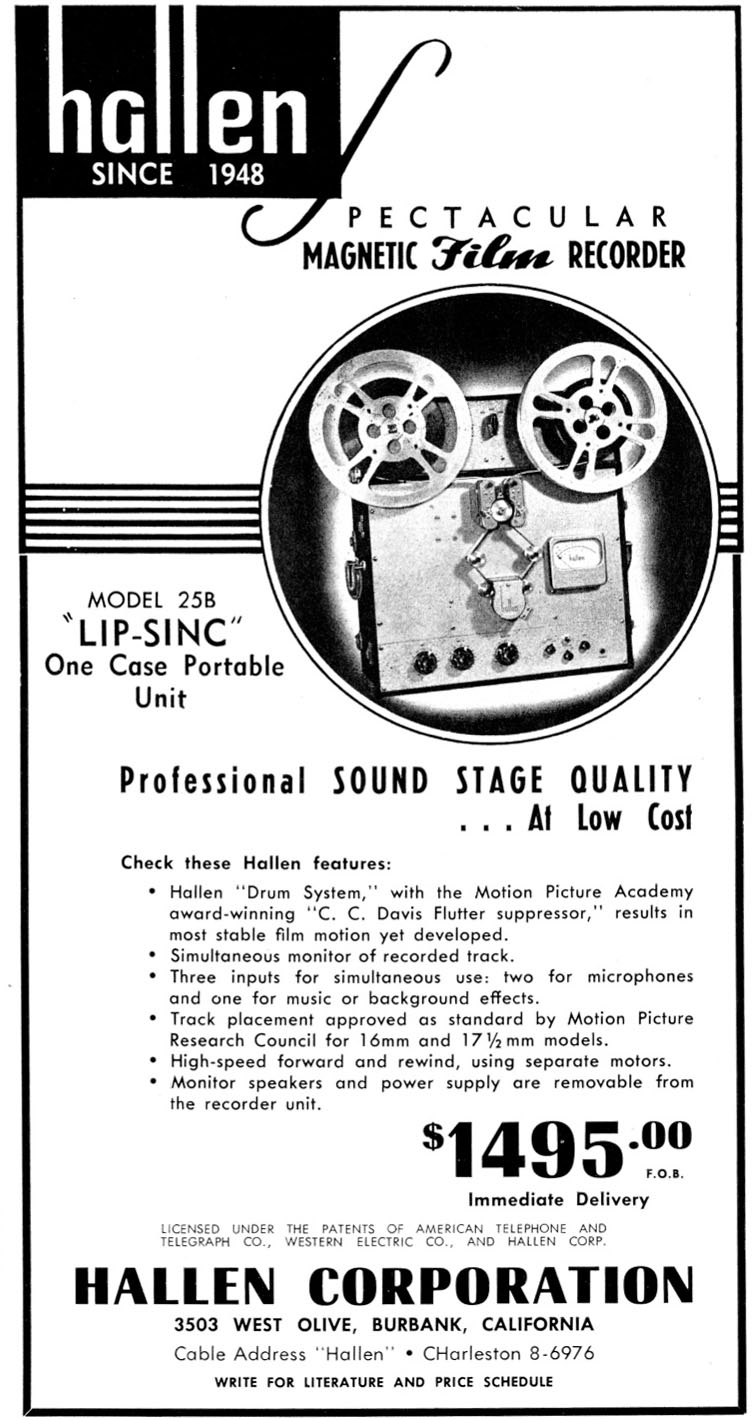
The Hallen Corp magnetic film-recorder circa 1953.  A bargain at $13,000! (adjusted for inflation)

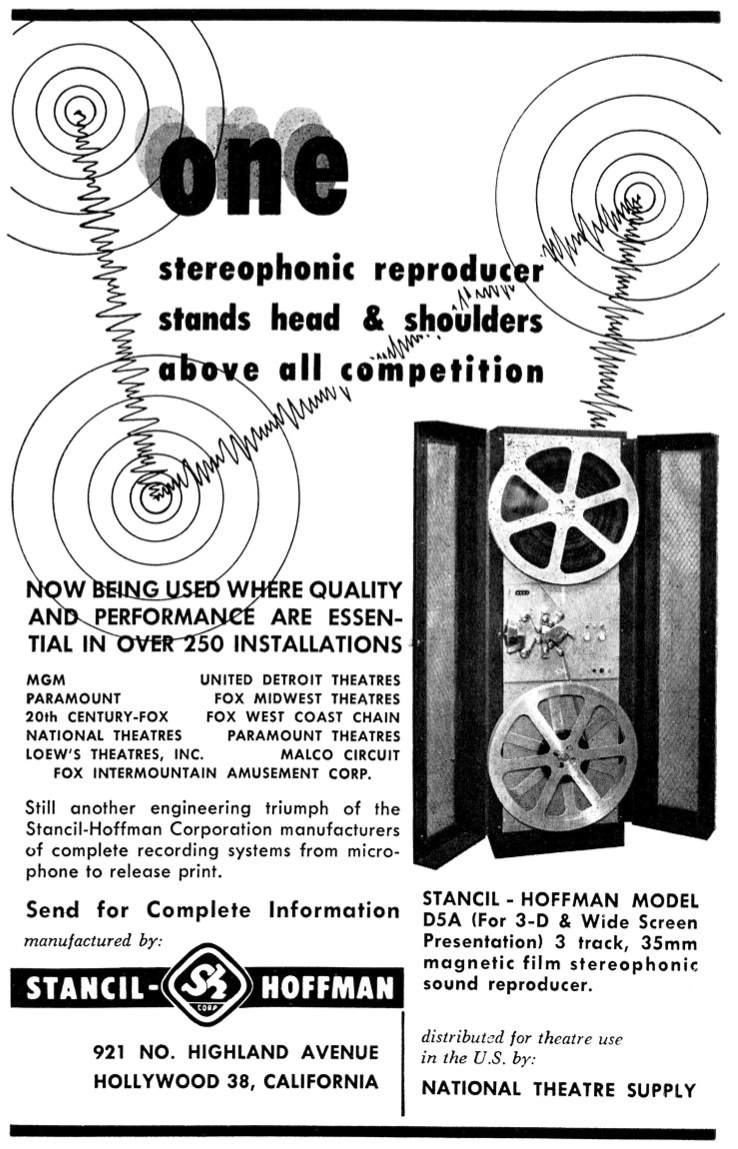
The Stancil-Hoffman magnetic-film recorder circa 1953.

Everyone (that reads this website…) is aware that magnetic wire recording gave way to magnetic tape recording, which gave way to magnetic discs, which are currently being slowly phased-out in favor of motionless ‘solid-state’ memory (via i-am-typing-this-on-maybe-my-last-macbook-that-will-have-a-spinning-harddrive).  Progress is rarely purely sequential though, and just as there was the short-lived metal-tape recorder of the 1930s (see this previous post for info), the Ampex/Magnecord dominated early magnetic-tape era was challenged (for fidelity, at least) by magnetic film recorders.  Aside from their heavy endorsement from Fine Recording, I don’t know much about these machines.  Are any still in use?  What made them superior to magnetic tape, and why?  Let us know…

Categories
Uncategorized

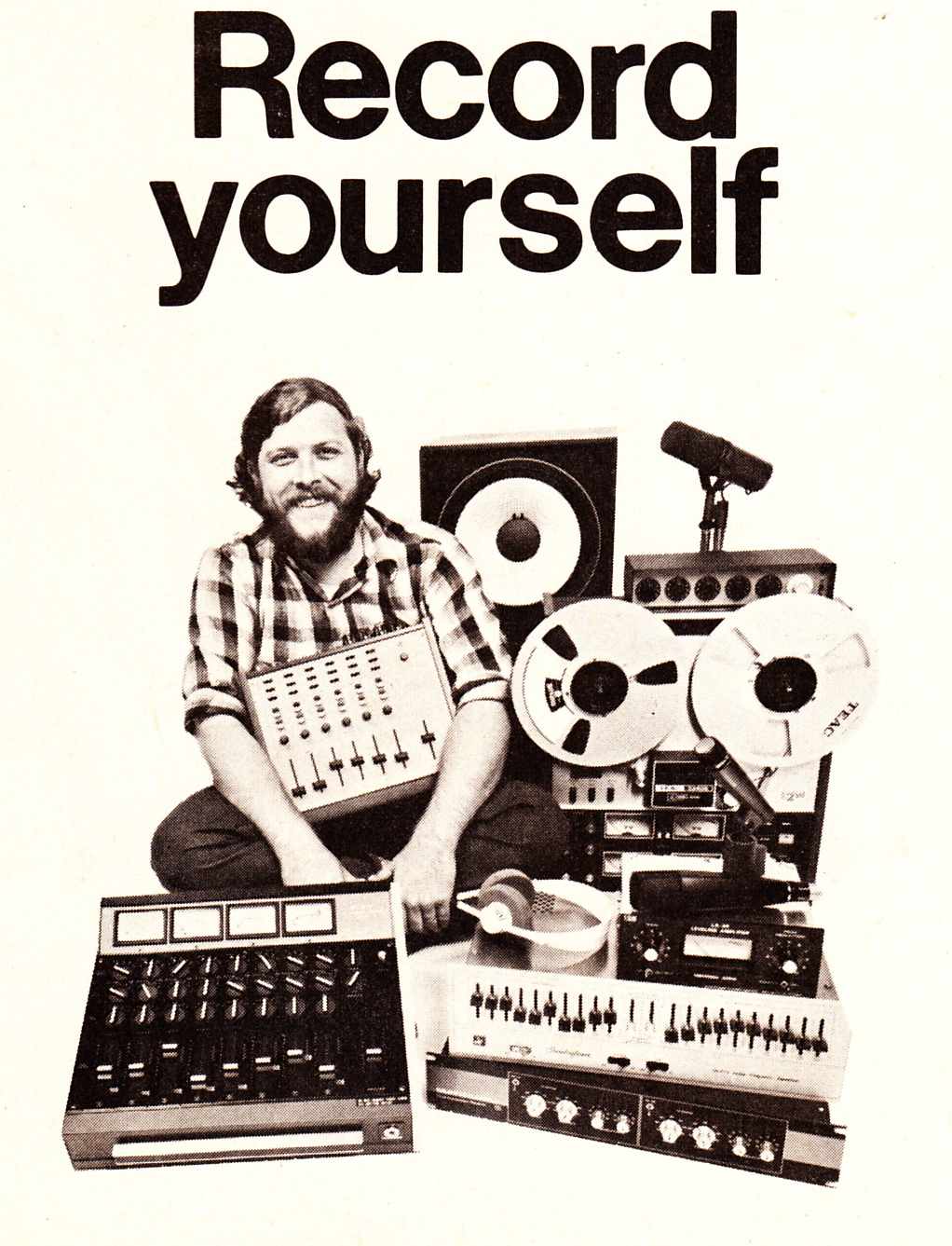
1975: Record Yourself

I think I will, thanks…

Categories
Uncategorized

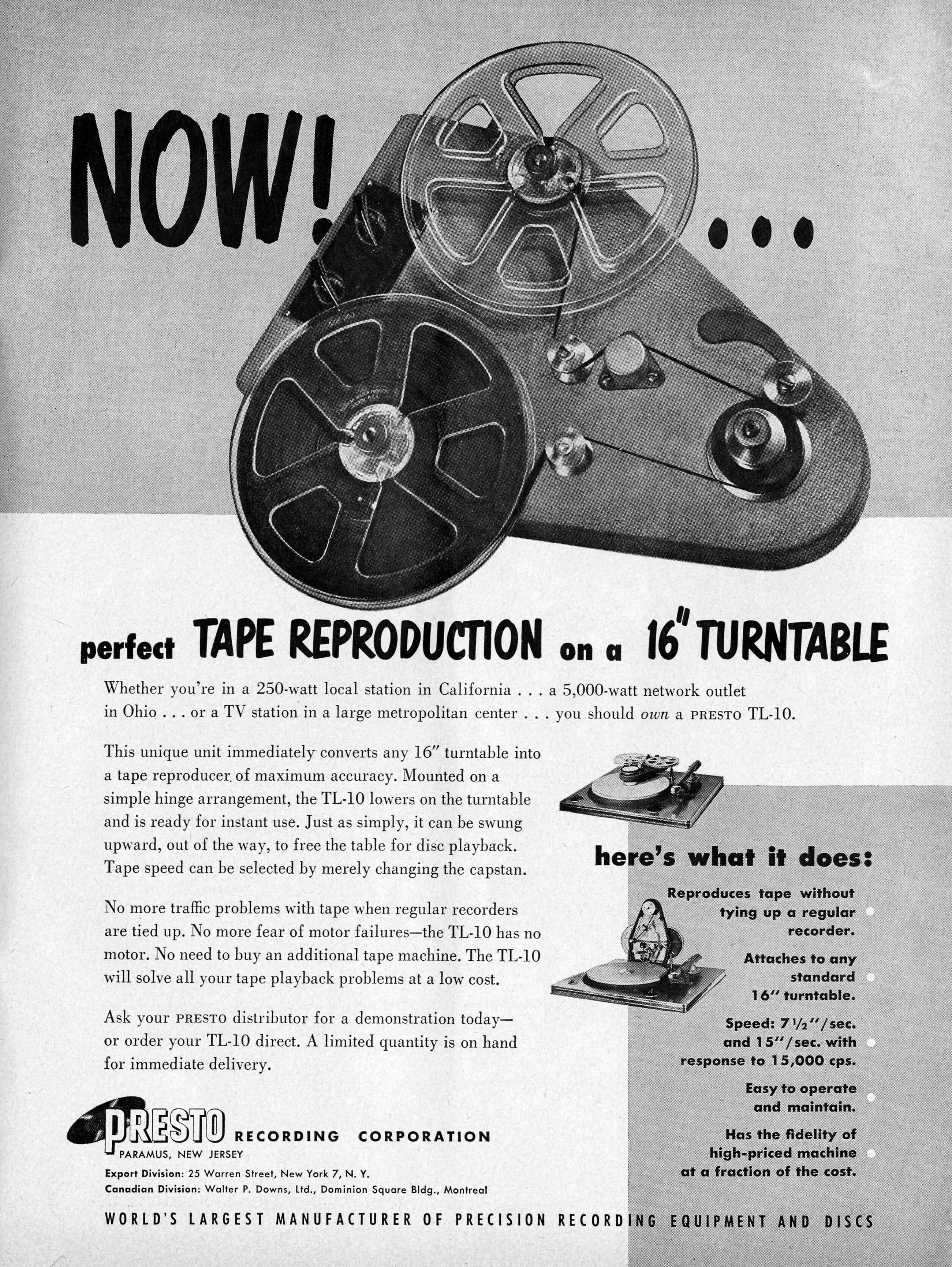
Turn your turntable into a tape machine! (1952)

From the pages of AUDIO ENGINEERING, ’52: the Presto TL-10.

Next in this series: Turn your tape machine into a CD Player!   Followed by… oh shit then it’s the end of physical recorded music media.

Categories
Uncategorized

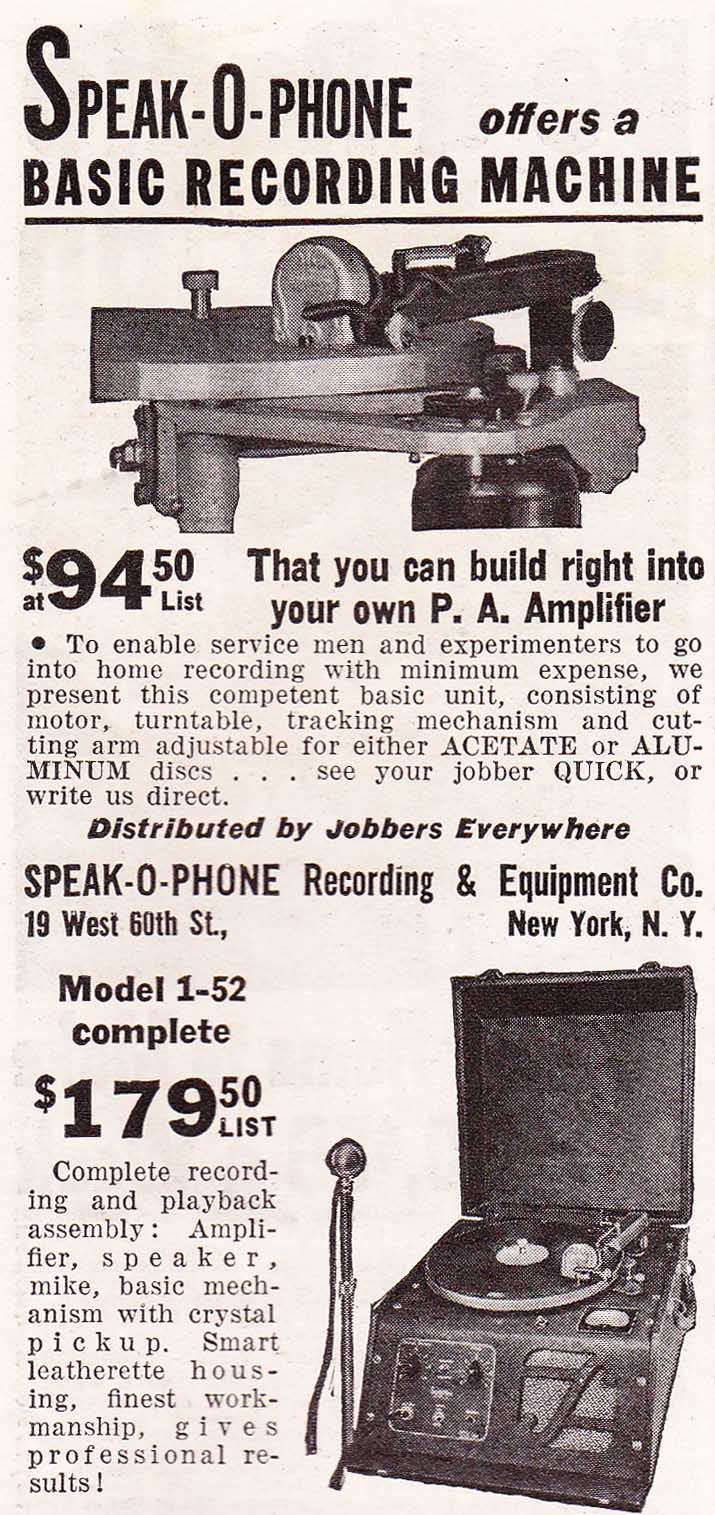
Speak-o-phone: Turn your PA amp into a record-cutter! (1940)

Records on Acetate or Aluminum discs!  Click here for more info on this early recording service/hardware manufacturer.  

Categories
Uncategorized

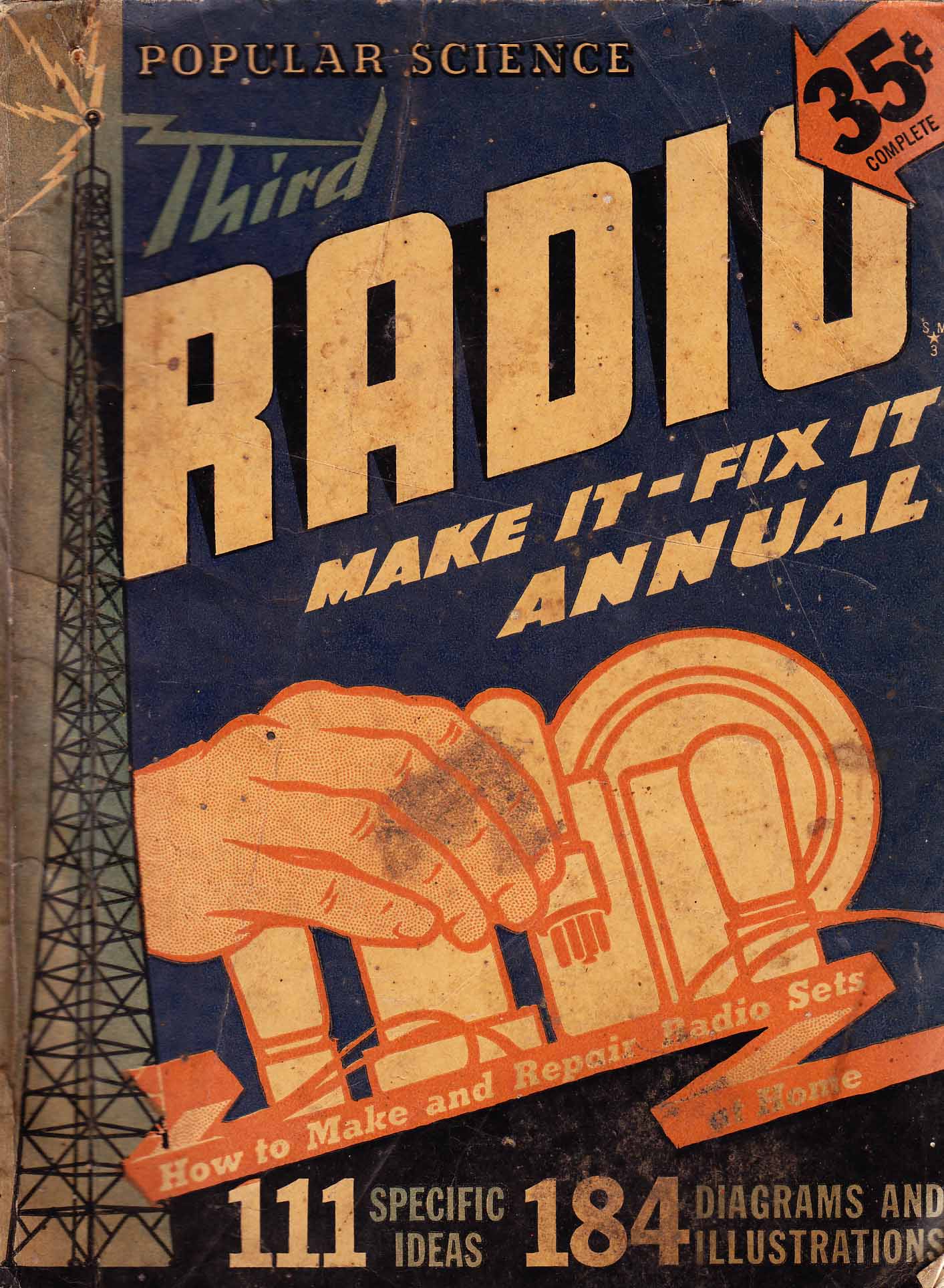
Popular Science: Basic Radio Techniques c. 1946

Nothing too notable in this book; just love the cover graphic.

Categories
Uncategorized

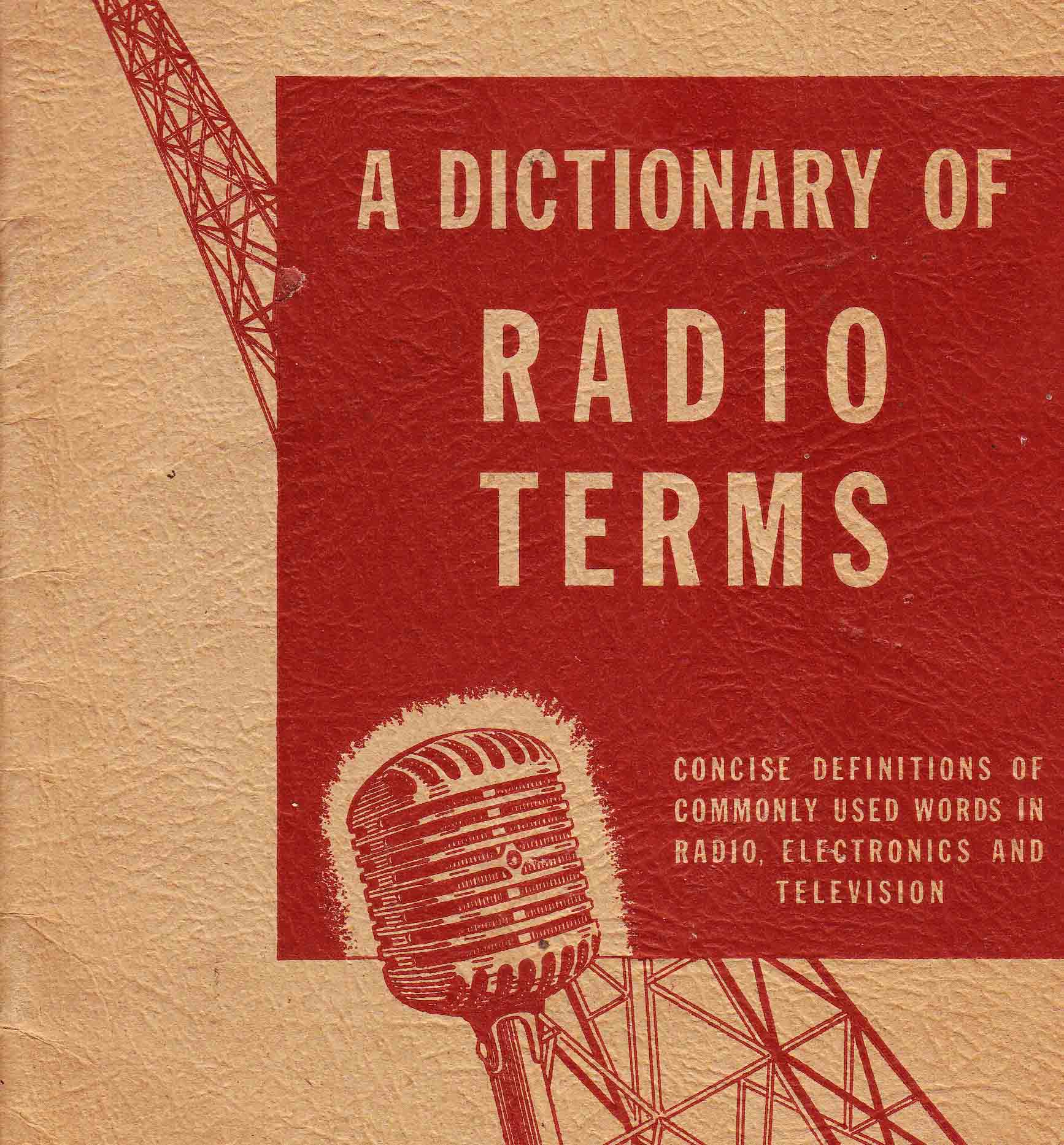
1943: A Dictionary of Radio Terms

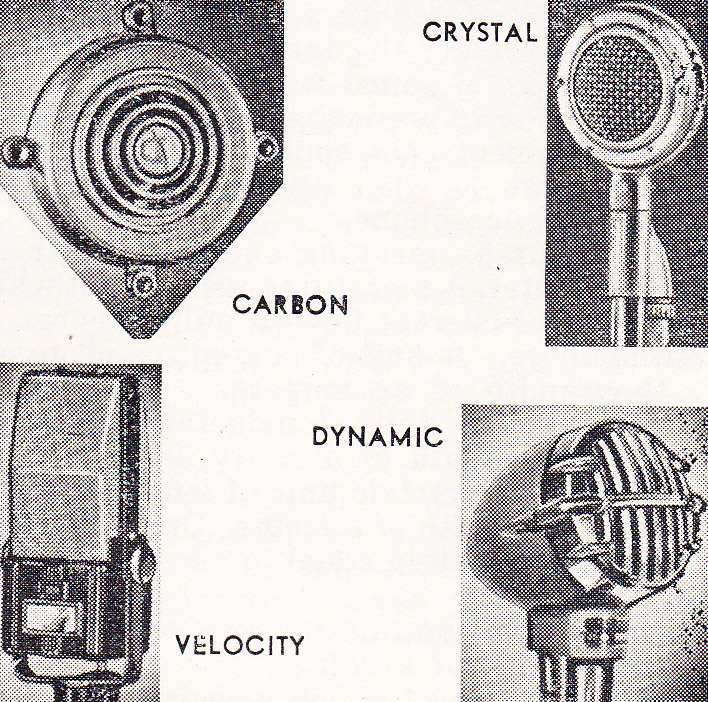
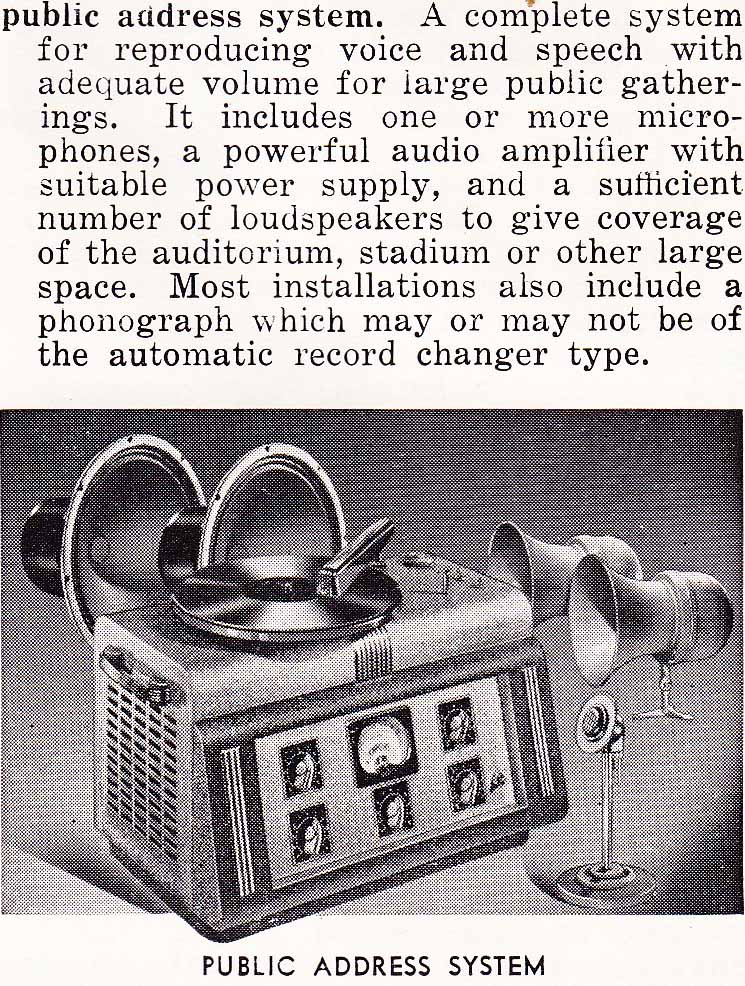
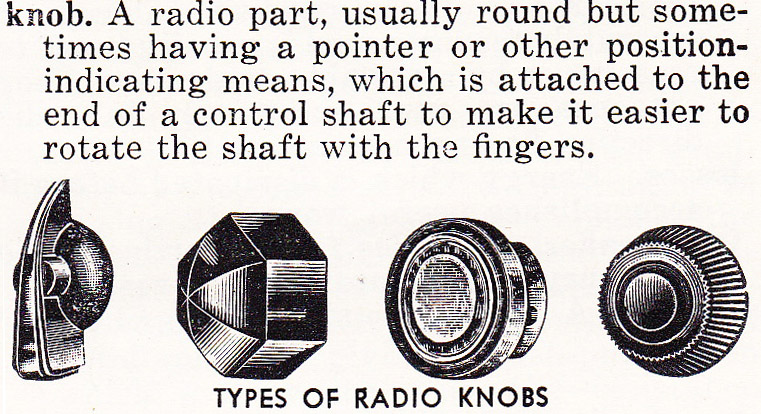
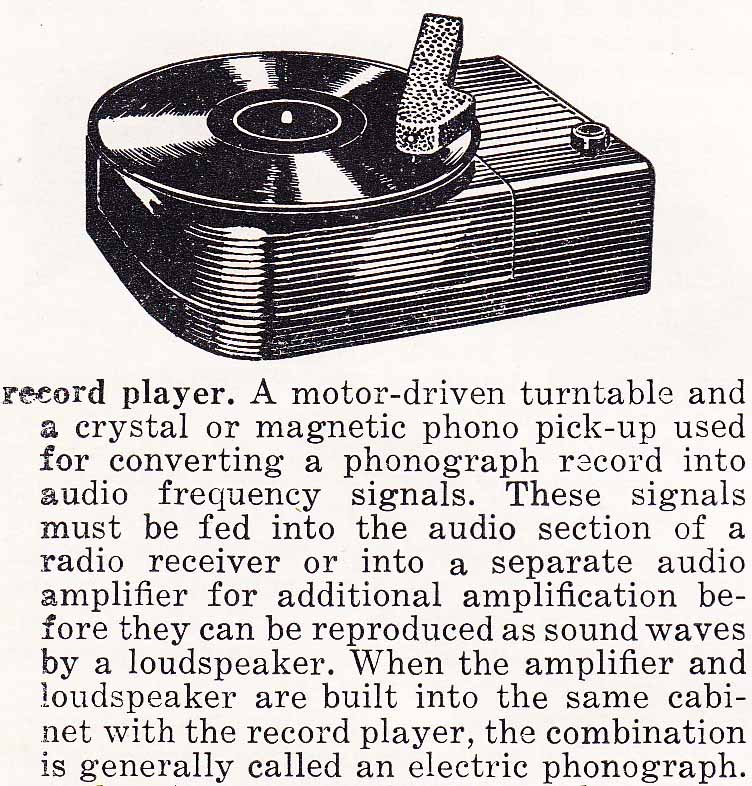
From “A Dictionary of Radio Terms,” published by the Allied Radio Corp., 1943.

Categories
Uncategorized

1940: Radioman Romance

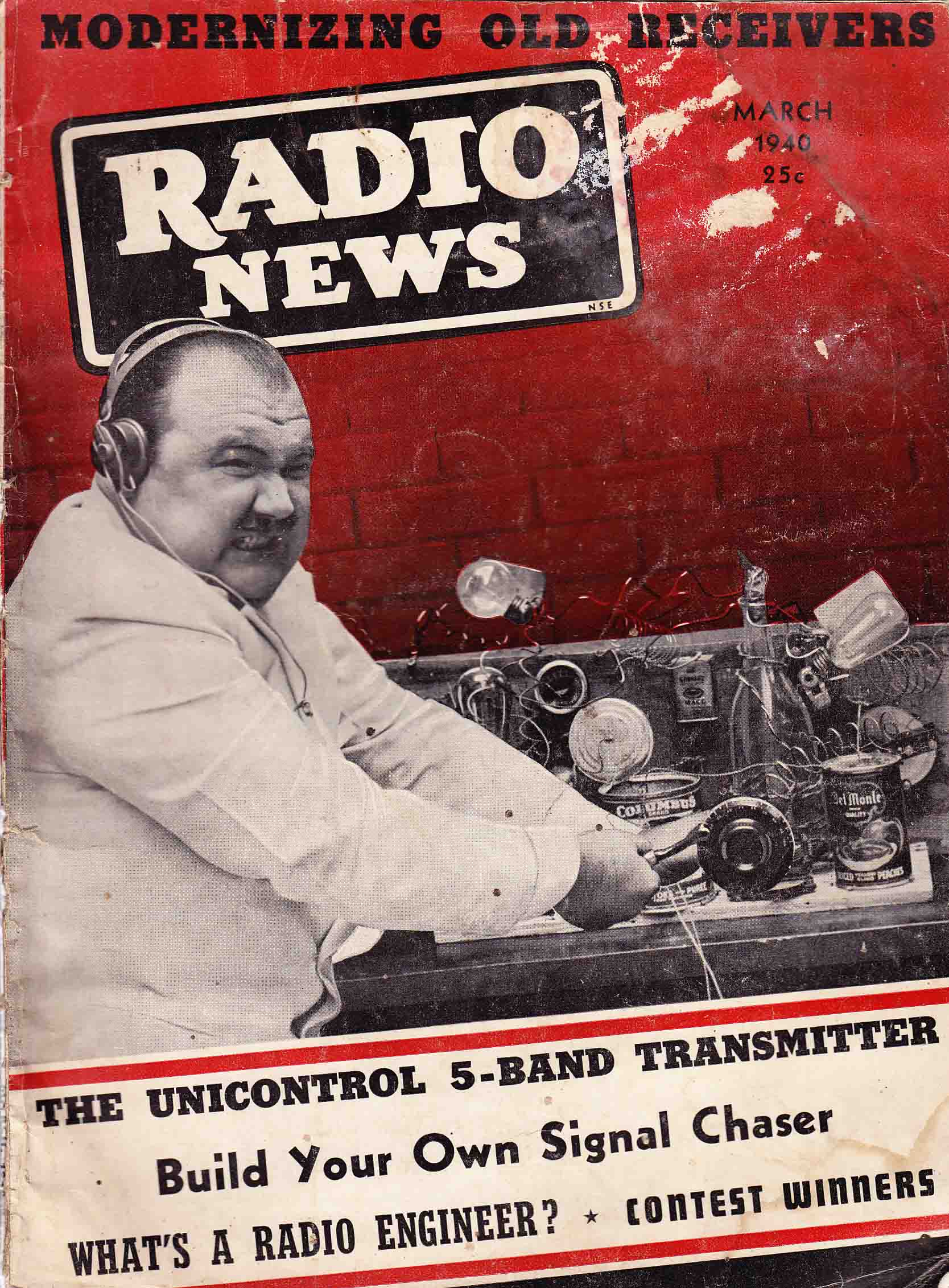
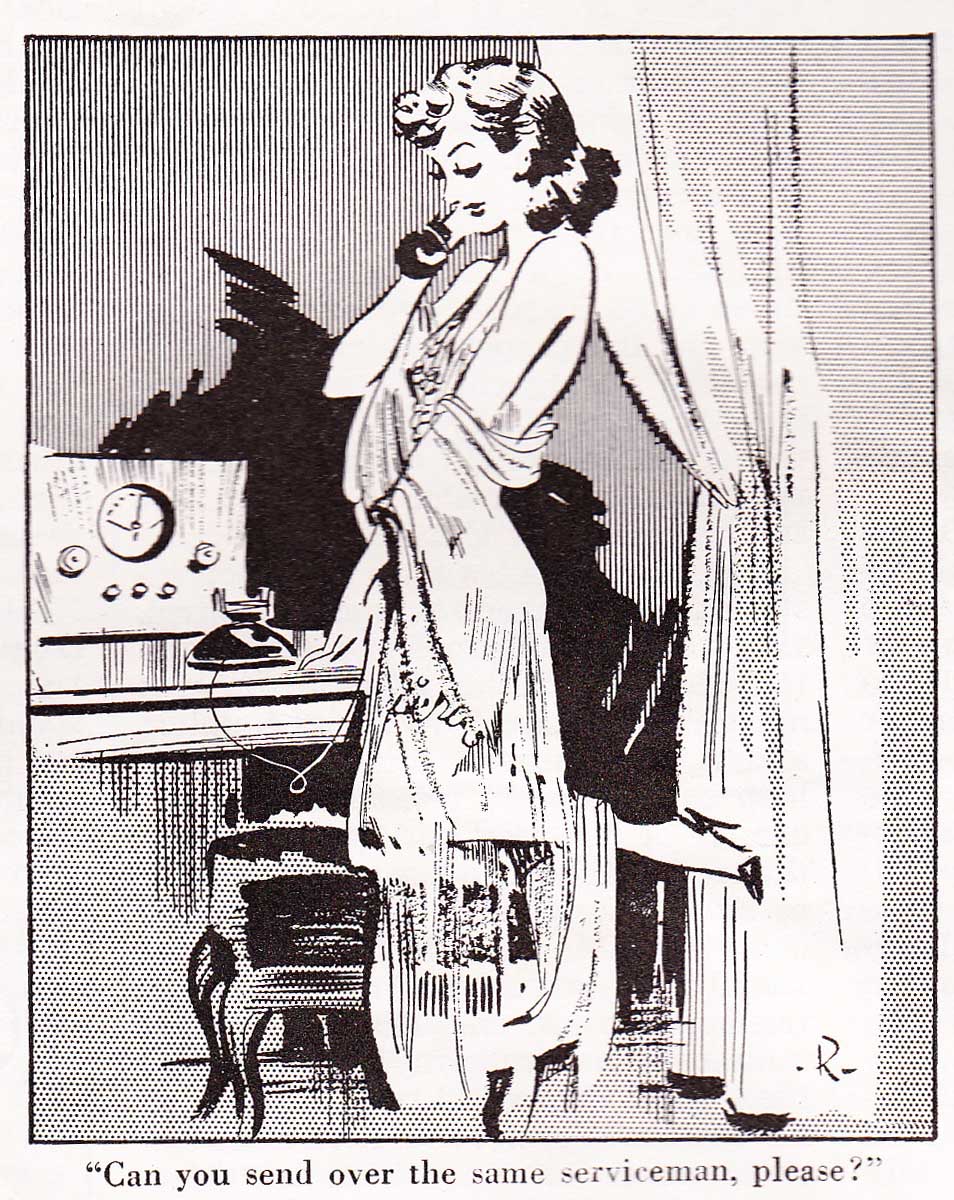
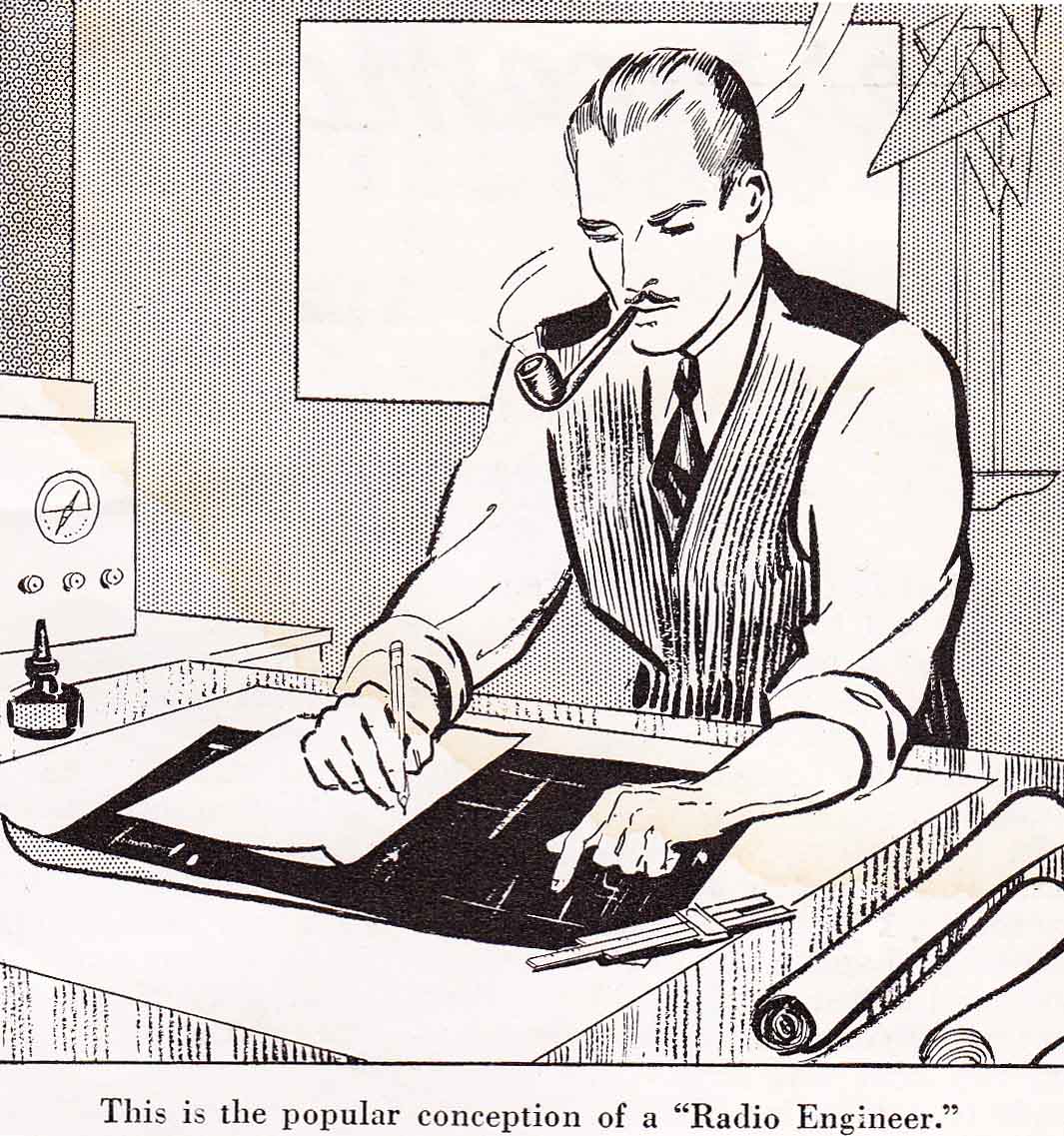
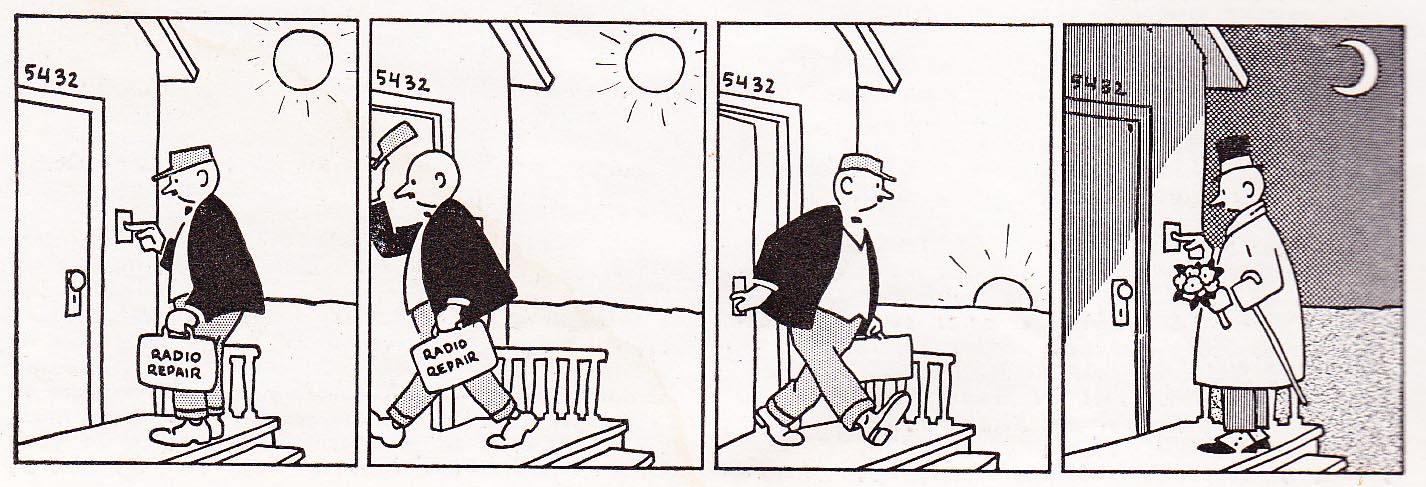
Was electronics repair ever a ‘sexy’ profession?  “RADIO NEWS” March 1940 seems to make this case.  Wishful thinking, I imagine…

*************

*******

***

*************

*******

***

Categories
Uncategorized

Magnecord INC archival factory-film now available online

Thanks to H. Layer: A never-before-available Magnecord, INC factory-film circ 1955 (???) is now available on YouTube.  These are the people that built the machines that powered broadcast tape-recording on the 1950s.

Click here to see the video on YouTube

Loads more Magnecord INC history and related information on PS dot com… just click here!