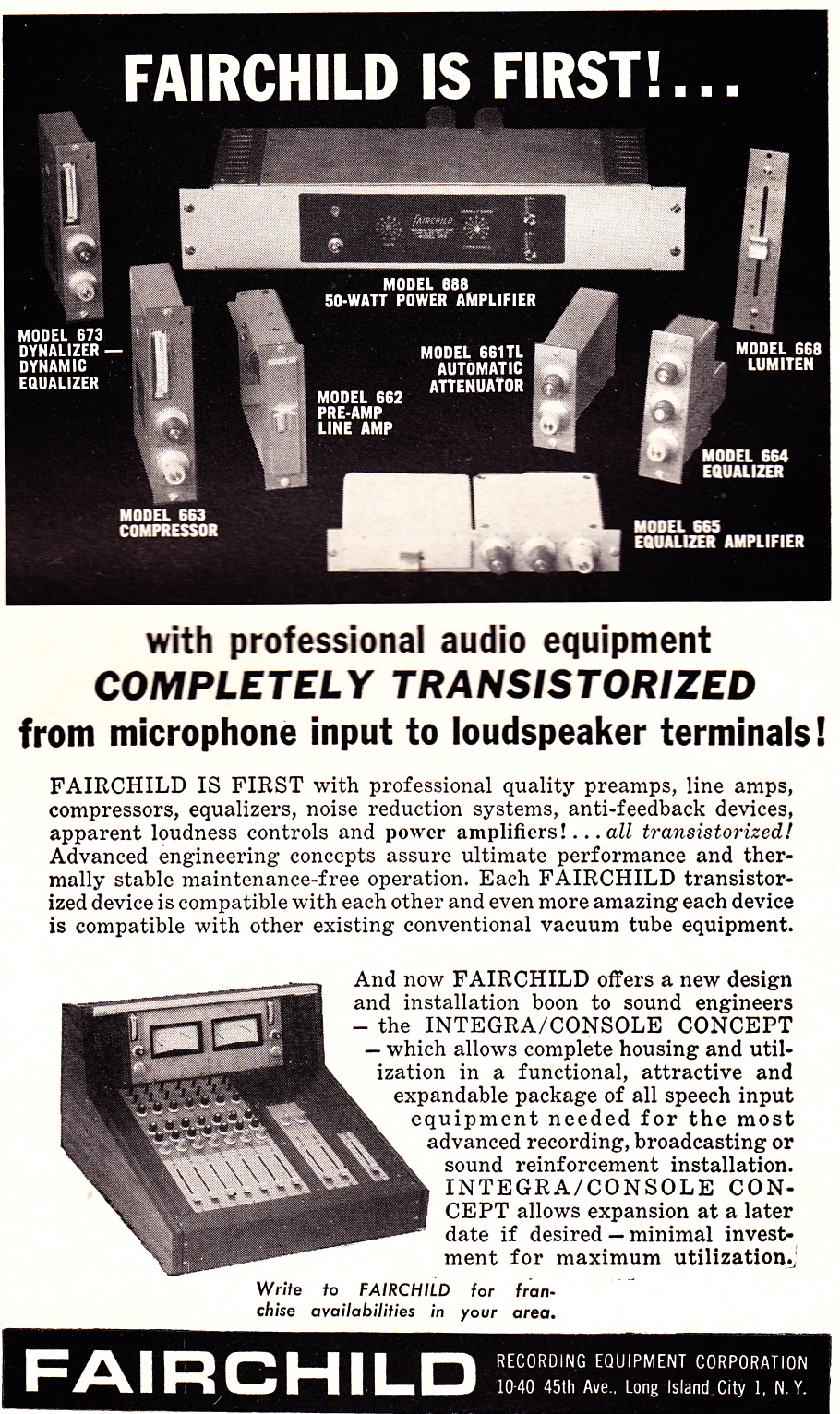
 Above: the Fairchild model 673, 663, 662, 661, 668, 664, 665 Modules and 668 power amp. Wow was this kit ahead of its time. And check out that lil INTEGRA sidecar. Amazing. Doubt there are too many of these left intact.
Categories
Above: the Fairchild model 673, 663, 662, 661, 668, 664, 665 Modules and 668 power amp. Wow was this kit ahead of its time. And check out that lil INTEGRA sidecar. Amazing. Doubt there are too many of these left intact.
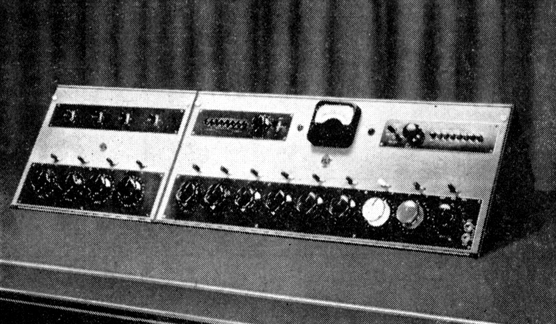
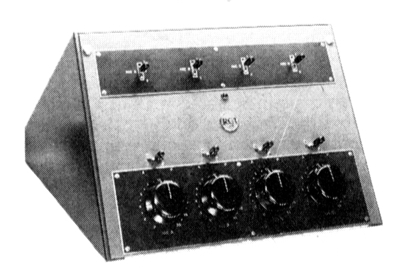 Earlier this year we ran a piece regarding the c. 1952 RCA BC-2 broadcast console. T.F. has also provided us with a subsequent scan from AE mag, 1953, which highlights the companion BCM-1A “extender” console, designed to add an additional 12 microphone inputs (4 accessible at once) to the 2B.
Click below to DL the article by one George Singer.
DOWNLOAD: RCA-Mixer-AE-April53
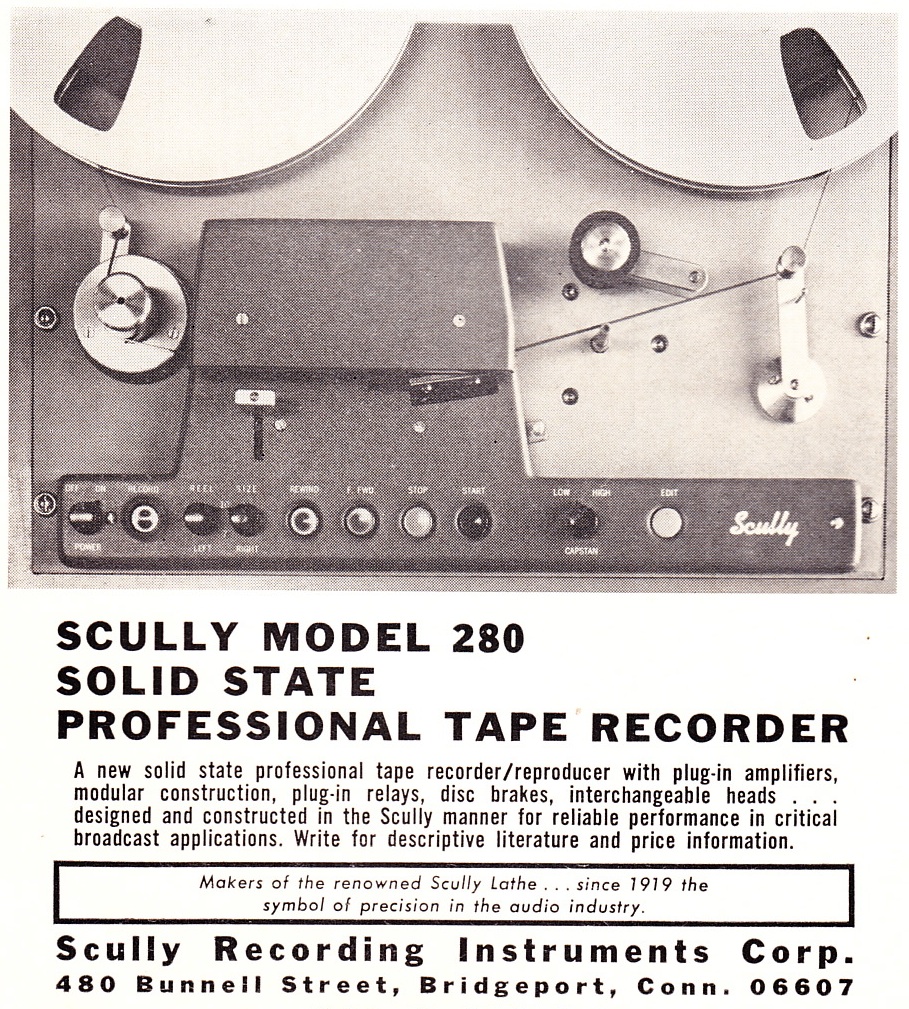
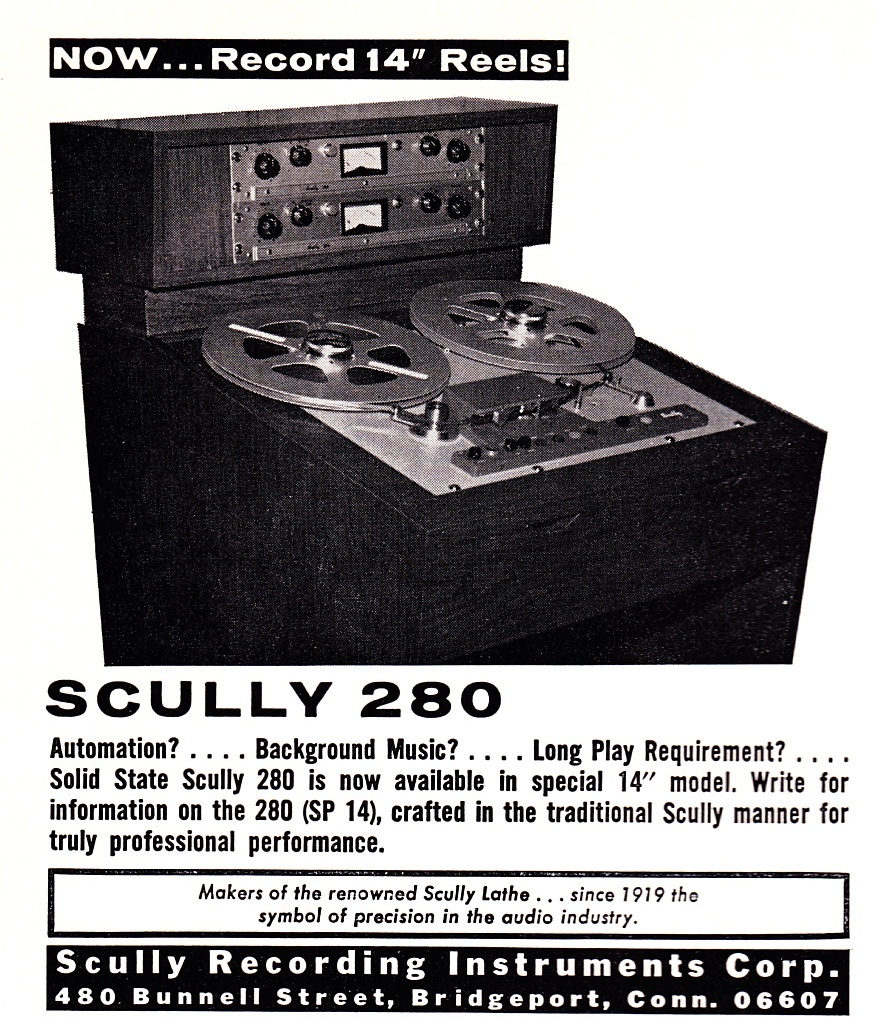
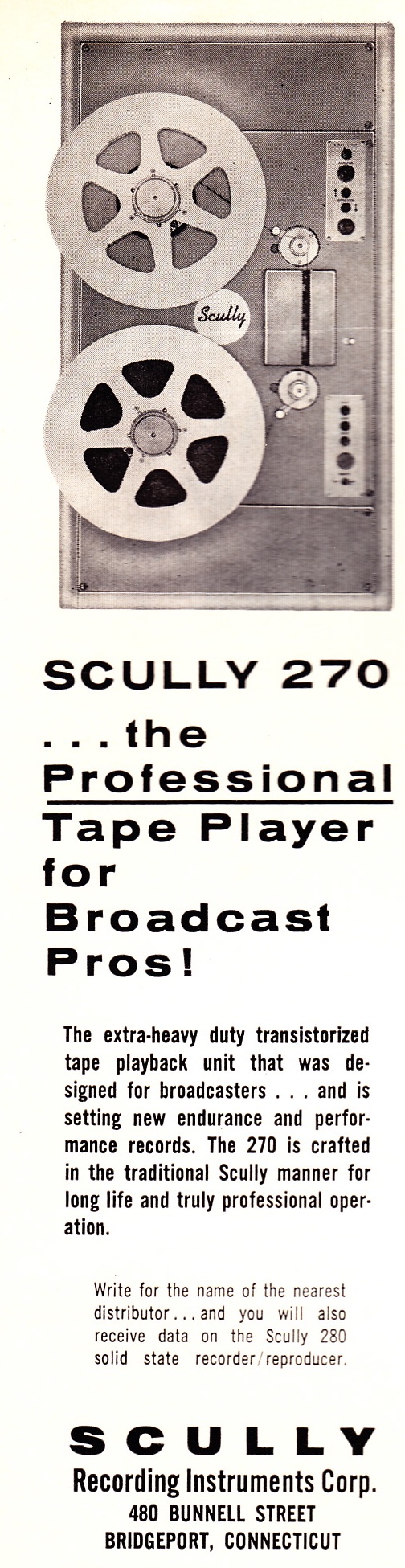 How are y’all doing today… long-time readers will know that there is a lot of Scully material on this site… Scully was a Bridgeport institution; I drive by the ole Scully plant everyday on my way to the studio. Not sure what goes on in that large brick structure these days, but many years ago it was turning out most of the lathes that were cutting LP masters in the US. Scully tape machines were never as ubiquitous as their lathes, but were a big part of the US recording scene nonetheless… Scully was a small family-owned company that competed favorably with Ampex, and this itself is notable. Anyhow… at left is the Scully 270 transport, and below, I found a couple of period adverts for the 280, which seems to have been their most successful tape-machine design, if the number of surviving units is any indication. My friend Sal sold his 280 -two-track AND 4-track machines, together with carts and racks, for $1000 last year… and it was hard to find a buyer even at that price. I will probably forever regret not buying them myself, but… you can’t have it all, can you… Anyhow, if you are using a 280 these days, drop us a line and let us know whatcha think.
For more Scully info, click the links below:
The Scully Model 100 16-track machine
Larry Scully interview and history
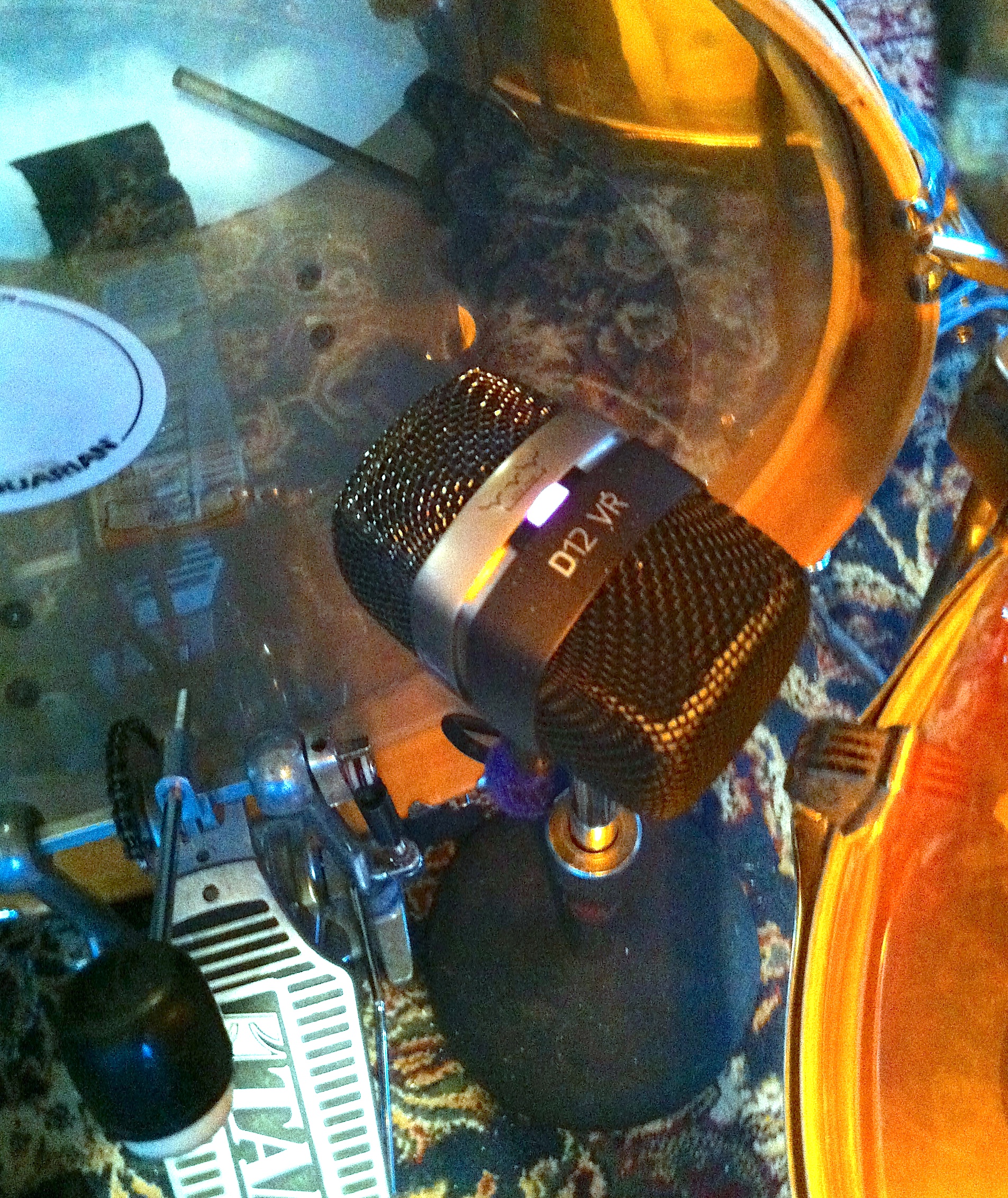
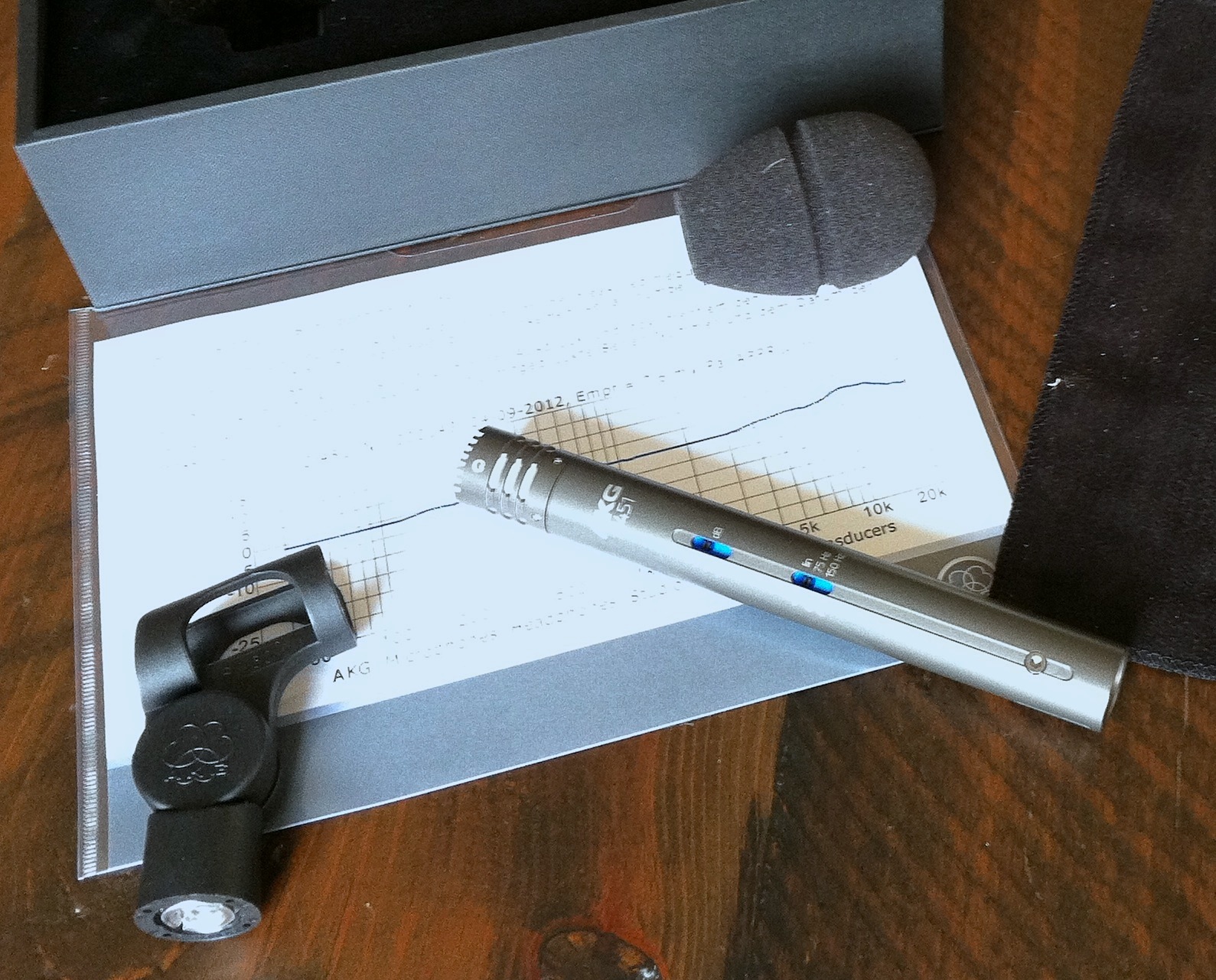 I recently reviewed the new (-ish) AKG “65th anniversary” model 451 and the very interesting D12 ‘VR’ model for our friends at ProductionHUB. Click here to read the article. The 451 ’65th,’ in particular, is an excellent deal for $400. I’ve been using it every day and it is yet to disappoint. If you are not aware of the new D12 and its remote-controlled frequency-contouring, you might find that interesting as well.
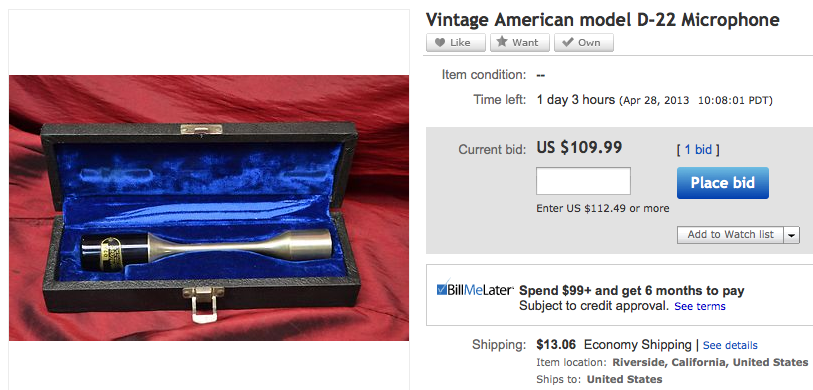 “This microphone is described as “in working condition” as there are no United States Standards for vintage microphones. To use any other terminology than “in working condition” is highly subjective based upon each individuals opinion of a microphones performance. I have endured countless debates as to the sonic performance of a vintage microphone with infinite varying opinions therefore I will not determine the degree of performance. As always human nature never ceases to amaze us. Therefore, if you believe that by purchasing this microphone that you and or others are going to magically sound better and it is magically going to improve your vocal & equipment abilities you are incorrect. There is not a microphone on earth that magically makes a foreshortened vocalist or recording technician sound any better than they really are. “
Mamamerch, what went
so wrong in your eBay past?
Bitter caveat.
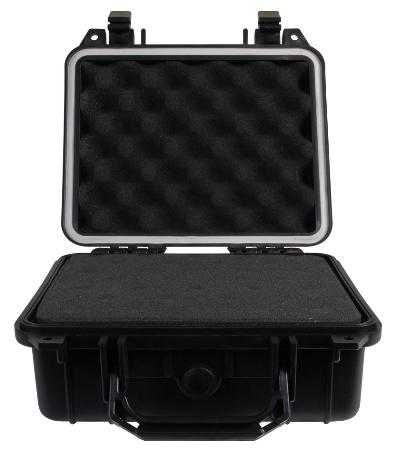 I just received three units of the above – depicted ‘weatherproof case’ (10.6″ (L) x 9.8″ (W) x 4.9″ (H)) from my fav purveyor of dirt-cheap electronic supplies MCM ELECTRONICS. Now, when I ordered ’em, they were on sale for $7.99 each. But $9.99 is still an unbelievable price. These things are incredibly close knock offs of the industry-standard Pelican 1200 for 1/4 the price.
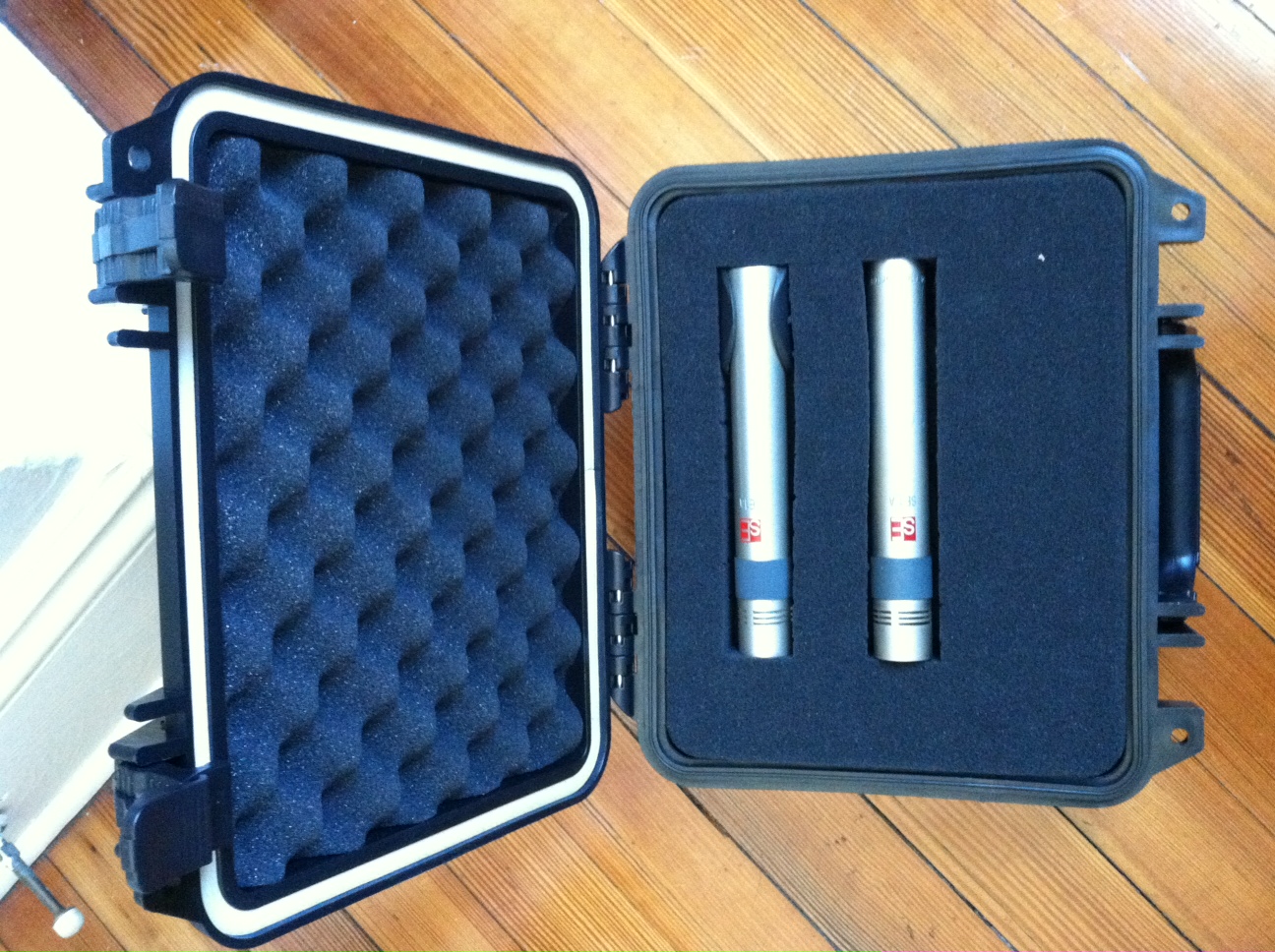 Above, here’s one of my $7.99 cases already in-service providing a good home environment for my SE1A mics (another great unsung deal in audio…). Cases are a good idea.
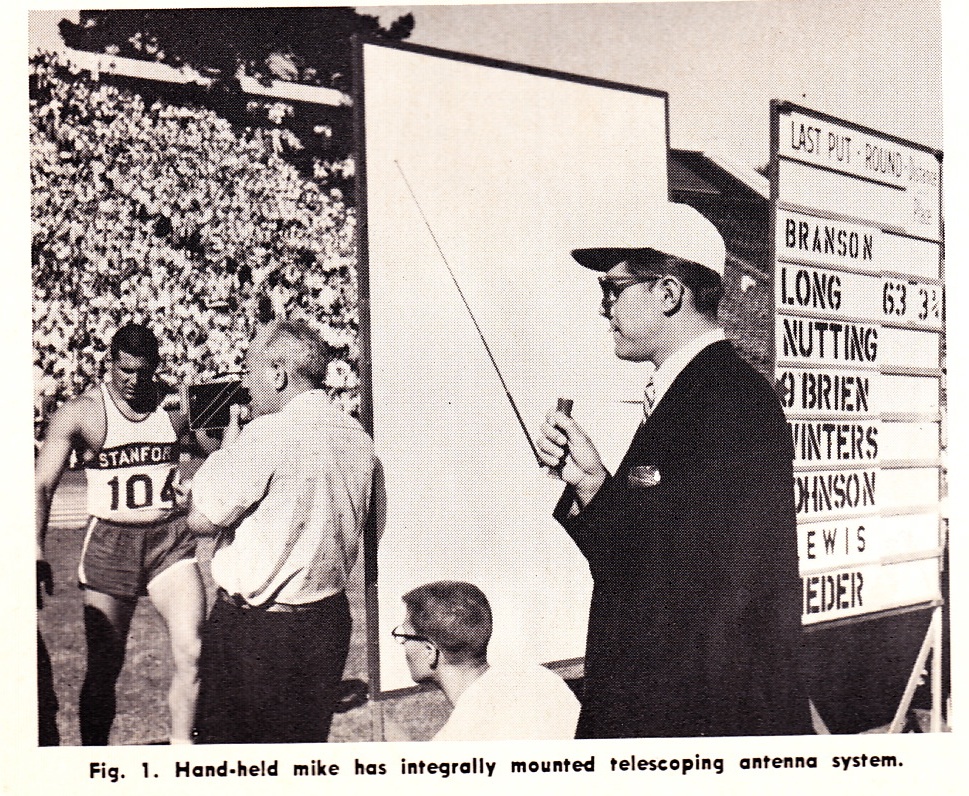
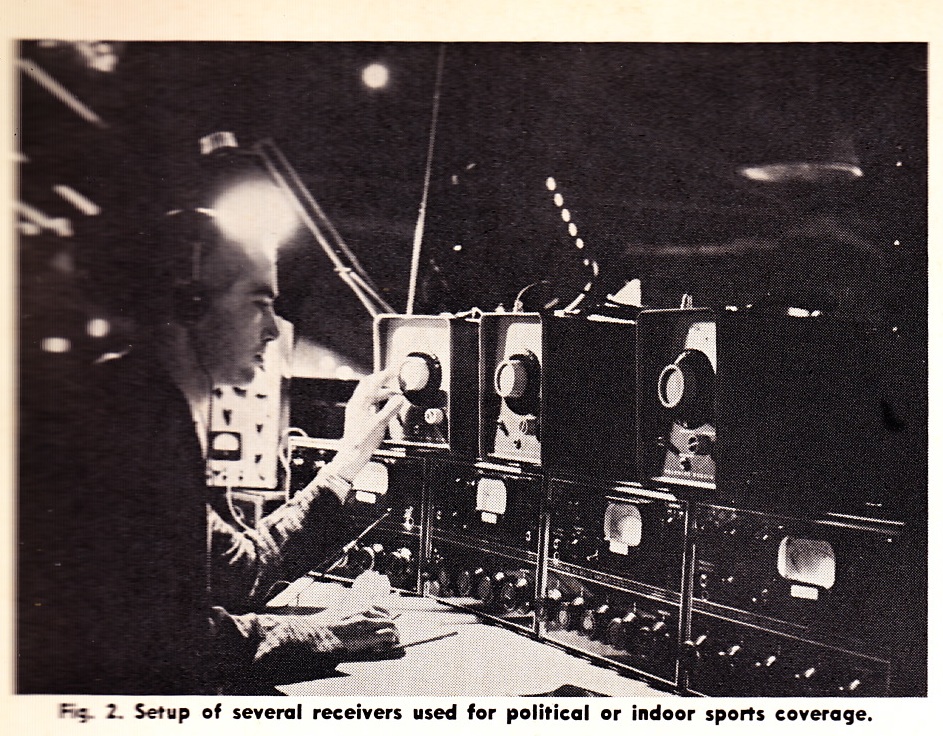 Download a 3pp article from B.E , 1965, on the subject of wireless microphones used for broadcast reporting. Author is R Fetterman. BTW: is that a large collection of RCA OP-7’s pictured above?
DOWNLOAD:WirelessMics
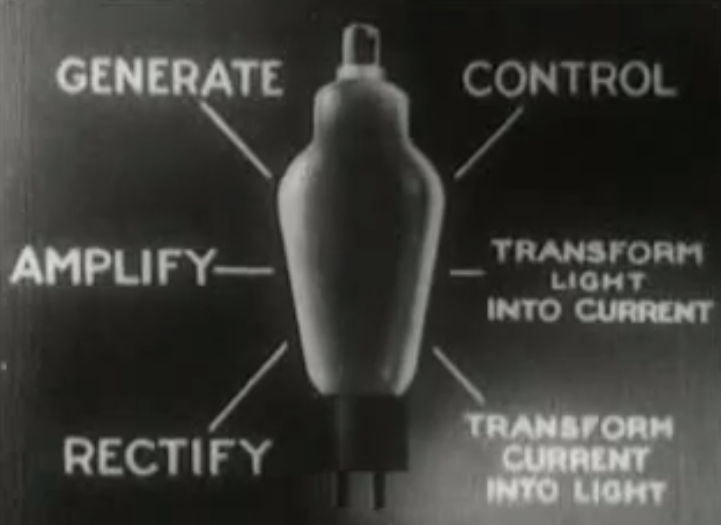 Several things, actually. Check out this great c. 1943 promo film produced by Westinghouse. Thanks to TW for alerting us to this clip.
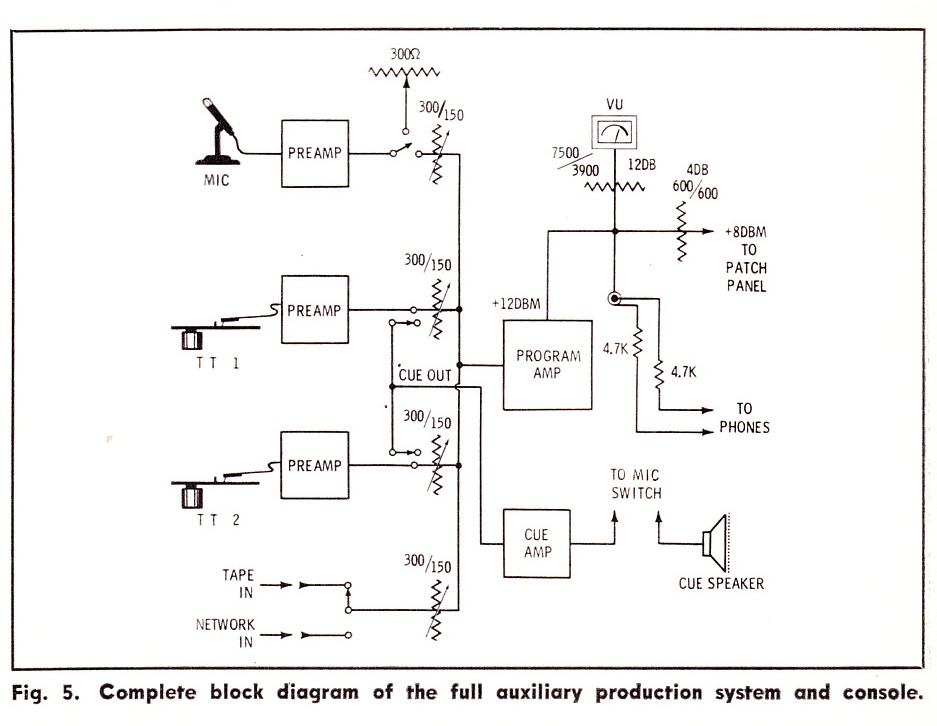 From BROADCAST ENGINEERING Mag, circa 1964, plans by one Robert Tiffany on the design and construction of a low-cost ‘standby’ broadcast console. Output amp stage uses my fav line output transformer, the UTC A-25: still unequaled among air-gapped plate:line transformers for low-frequency response. BTW, add a 600:60K mic input transformer to the front of this thing and you’ve got a pretty nice mic preamp with a LOT of gain.
DOWNLOAD: Console_0001 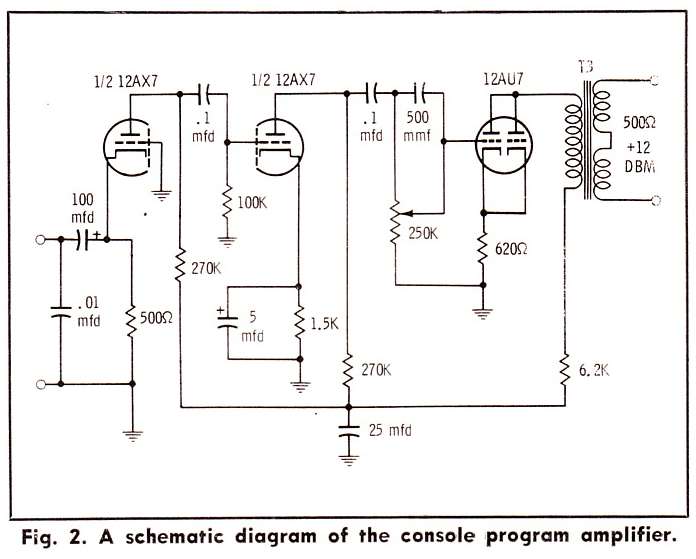
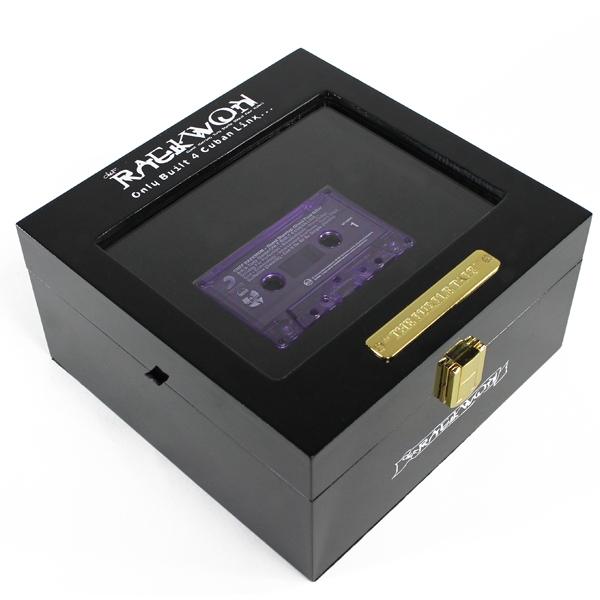 I know there’s not too much value in my ‘re-tweeting’ (it’s safe to use that verb as a generic descriptor now, right?) something that the Ole Gray Lady published, but the piece by Jon Caramanica in Friday’s NYT really got my attention. The article concerns a hip hop reissue label in Mass that’s doing terrific business because they have realized that the consumer-value inherent in certain sound-recordings can by applied, via symbolic transference, to what are essentially display or decor items. Even tho the sound-recordings THEMSELVES no longer have cash value due to ‘the internets,’ by packaging certain totemic items alongside those sound recording it is possible to imbue the totems with a value that far exceeds their manufacturing costs. WELL DONE. I worked for many many years on reissue campaigns at one of the last Major Labels, and while we occasionally had products that skirted this semiotic territory, we never really went all the way. These folks, ‘Get On Down,’ made the realization that it does not matter HOW LITTLE cash value there is to be had in sound-recordings at this time in history, because the emotional value, the use-value of those recordings in the lives of consumers, is still as great as ever. Click here to read the piece in the NYT. And if yr into classic hip hop at all, you will probably be very tempted to purchase some of these objects/recordings here: Get On Down.