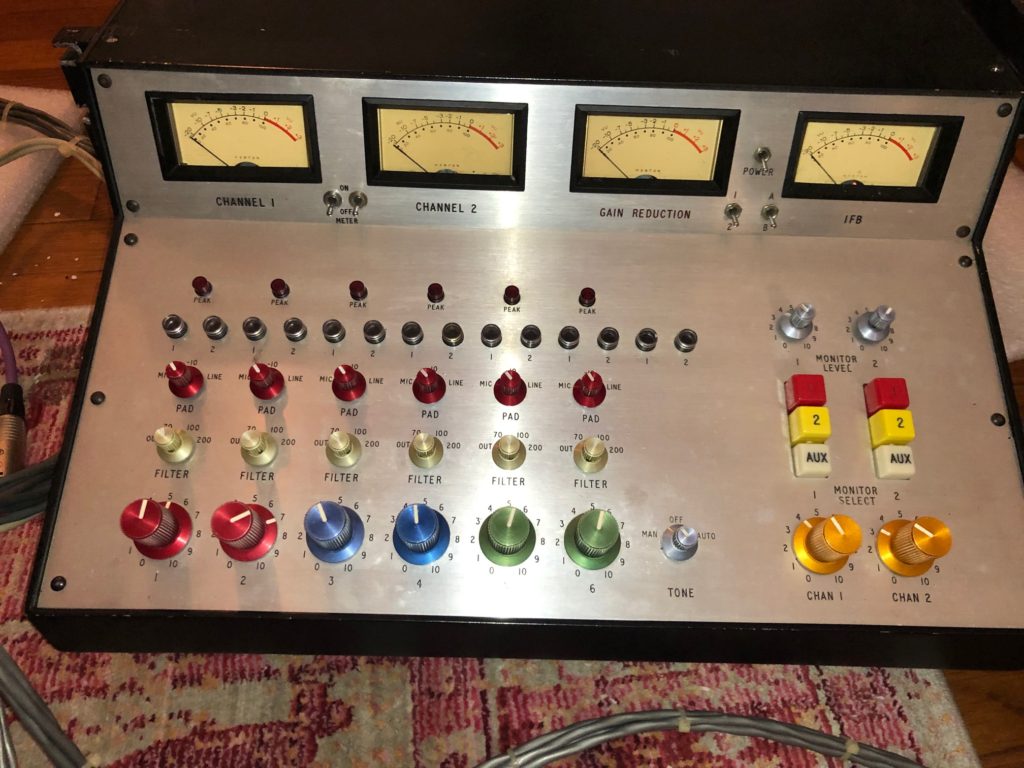
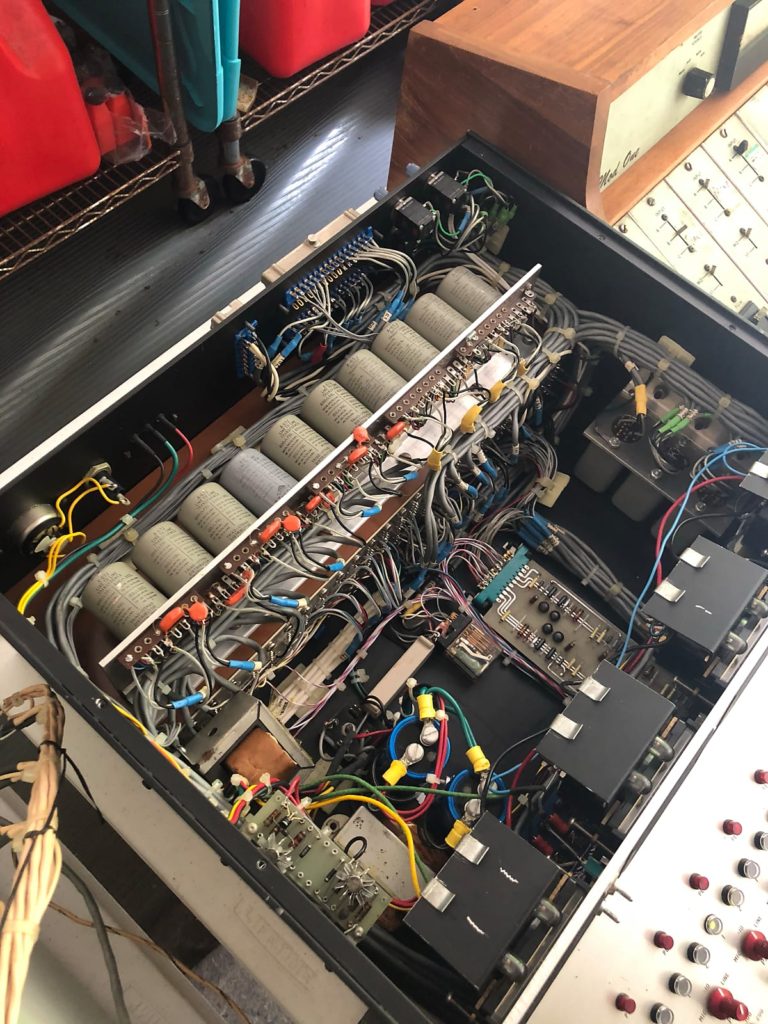
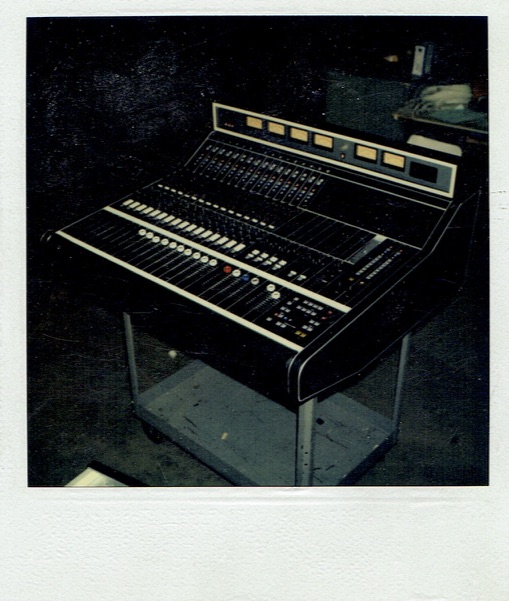
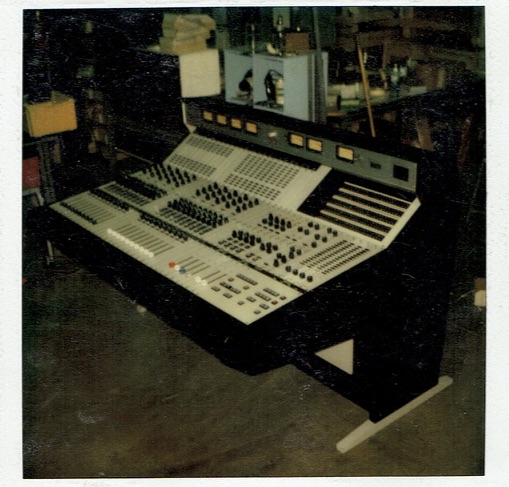
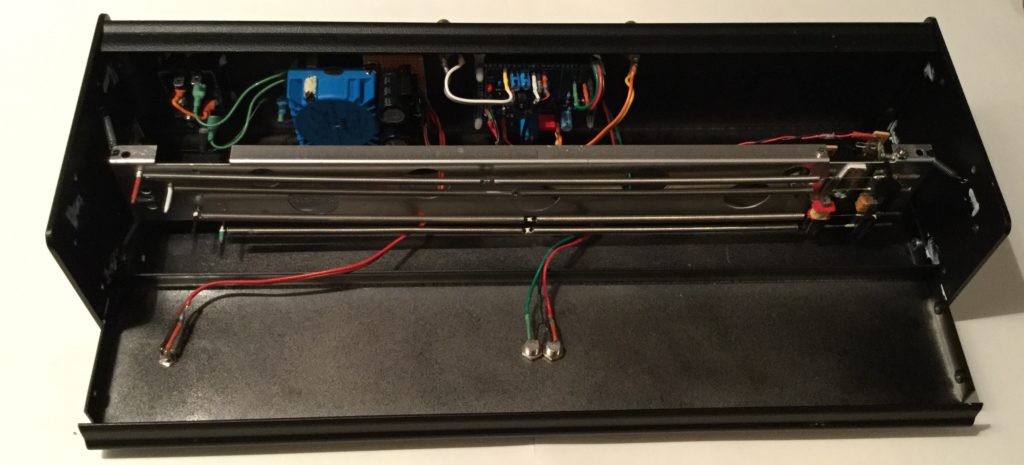
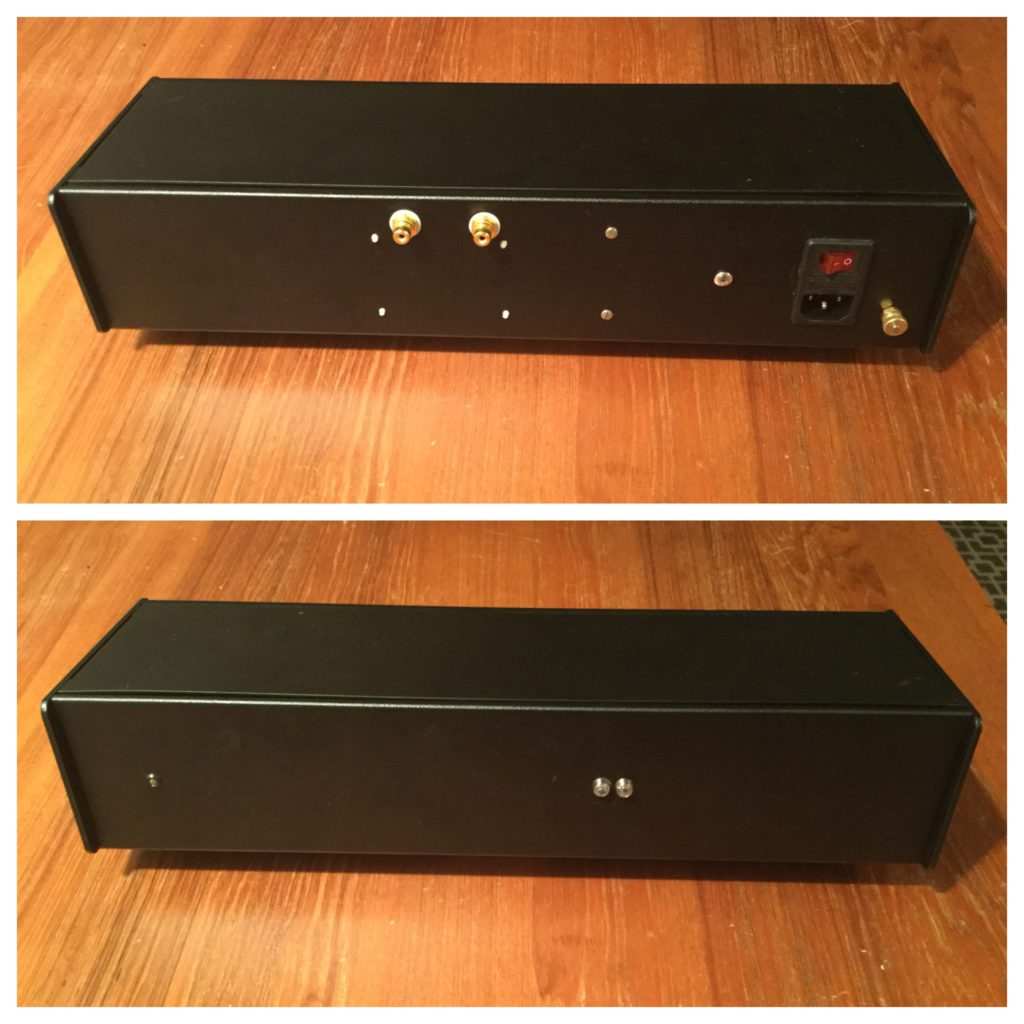
PS dot com reader Frank B sent in these pics of his SpectraSonics console. This 6×2 board was custom built for NBC Television in the late 60s or 70s. Here’s Frank’s description of it:
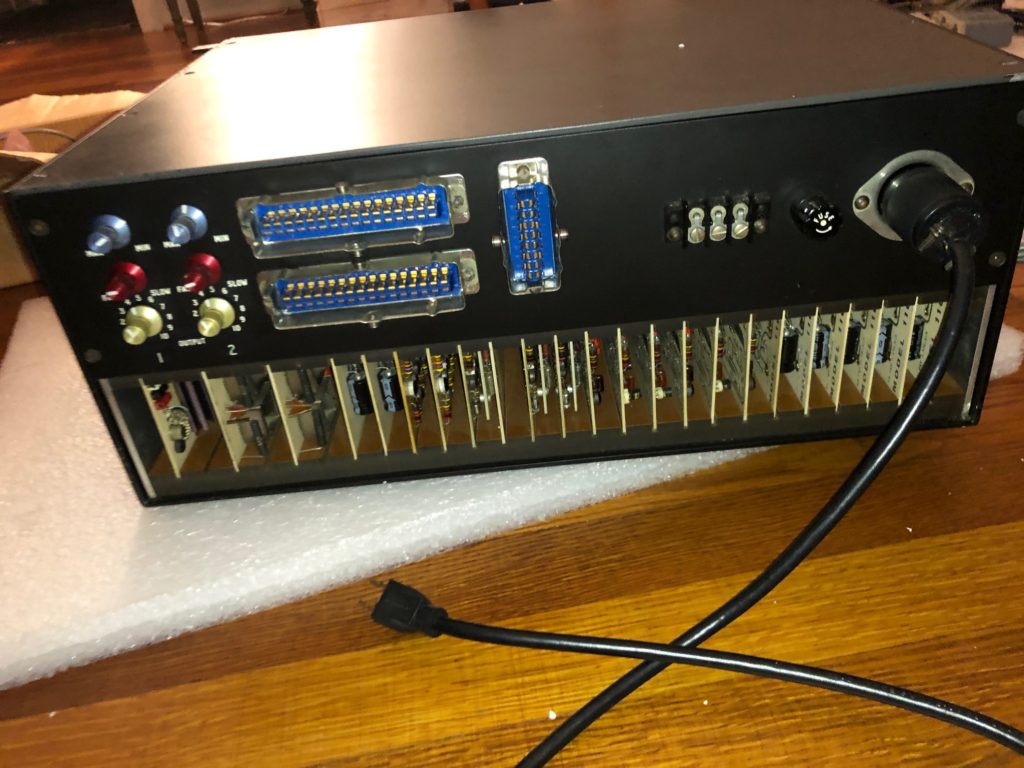
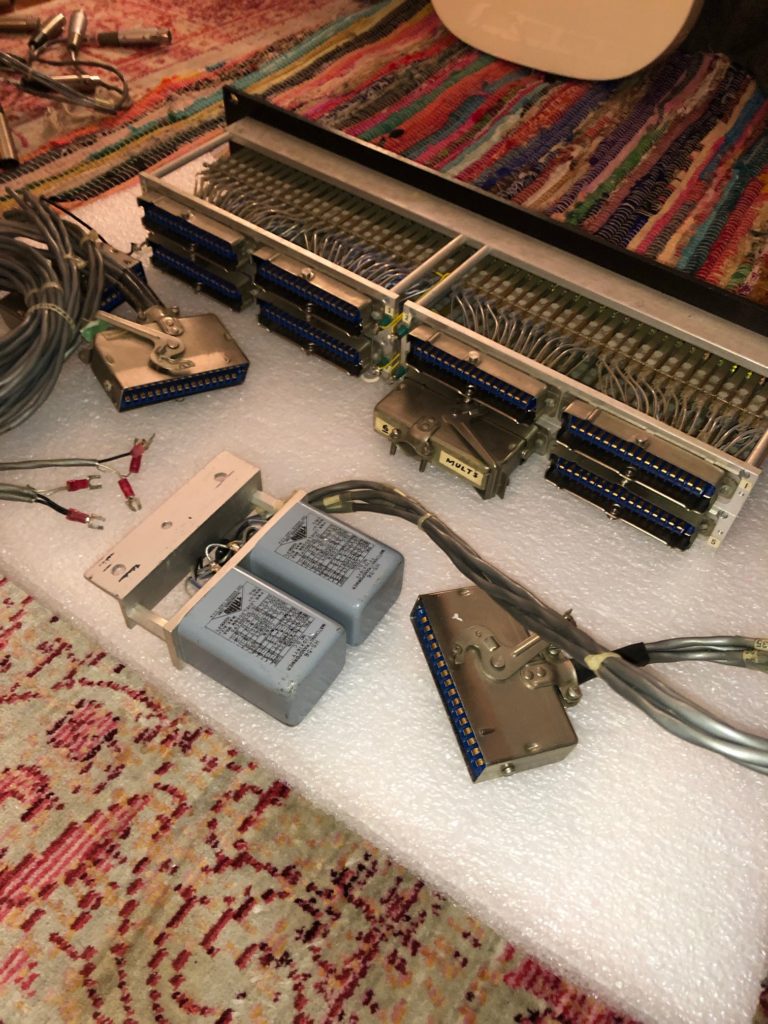
“..its one of a kind…6 preamps and two 610 limiters plus some high pass filters. It was built for nbc-tv. Im guessing this is the only one in existence….The wiring for the patchbay is unique and crazy. “
Interestingly the comp controls are located on the rear of the unit and the compressors have their own points on the bay. Frank, I am curious what that other board you have to the right of it is!
Any of yall got a custom mini-console by a big maker like this? Let us know!
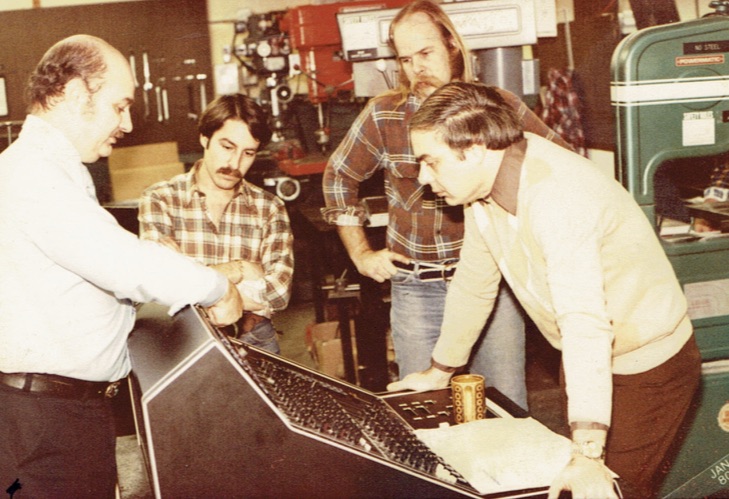
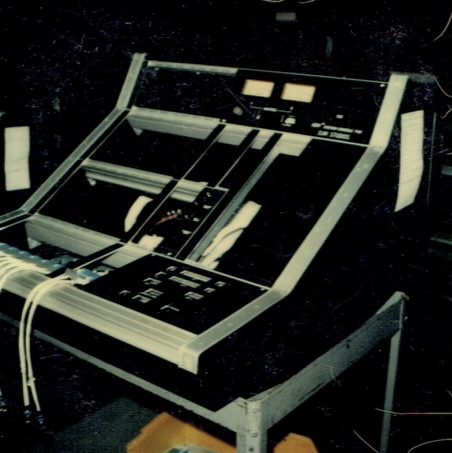
(L to R) Sheraton Shook (ADM GM at the time); Brian Phelan (cabinet shop foreman, later Shop Foremen); G. Frudd; Robert Bloom (owner)
G. Frudd worked at ADM technology from 1976 – 1989. He sent us the photos above and below. These document some of his work at ADM during that period. Frudd started at ADM as the “console fitter,” previously having worked as a tool & die maker.
Frudd went on to run all of the mechanical shops- machine, cabinet, engraving, and fitting, eventually becoming the Mechanical Engineering Manager. Frudd was directly involved in the design of all consoles and rack products during that period.
An ADM 1600 built for NAB 1981
G. Frudd: “In my time at ADM we transitioned the product from wood cabinet based to metal and extrusion based structures. It was a great and exciting place to work. After ADM’s demise I went on to be a mechanical designer and product line manager at several companies in the lighting and automation industries.”
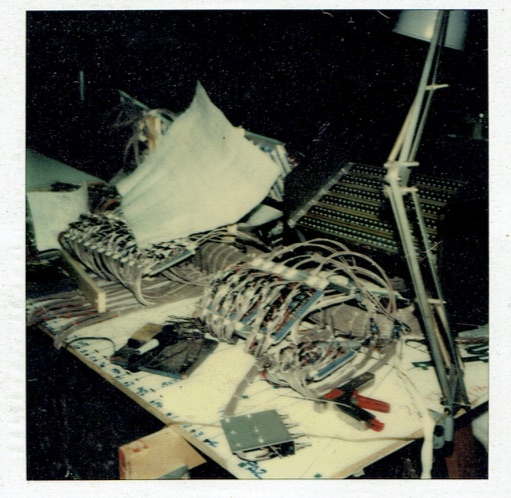
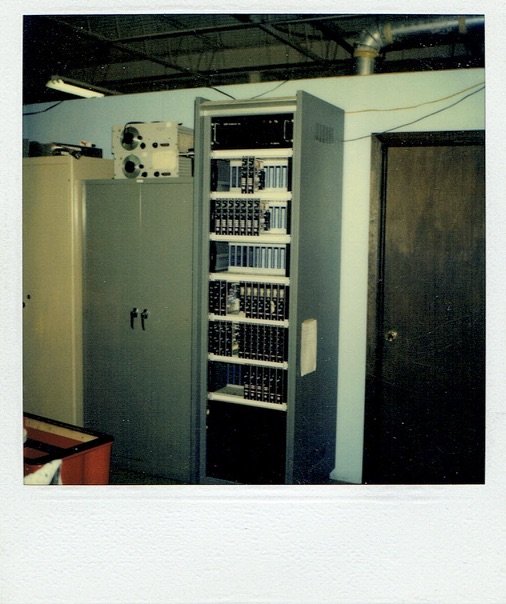
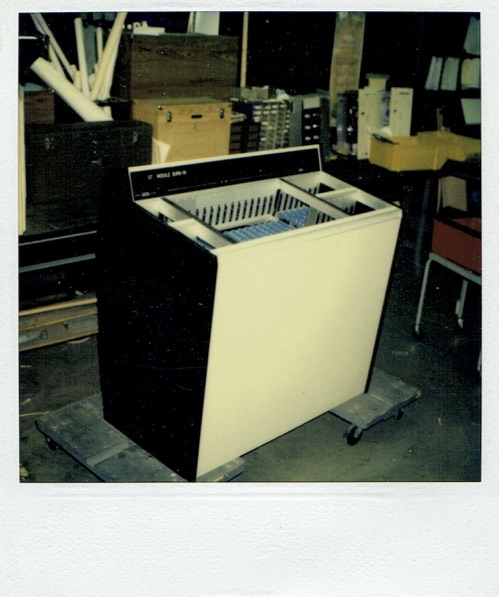
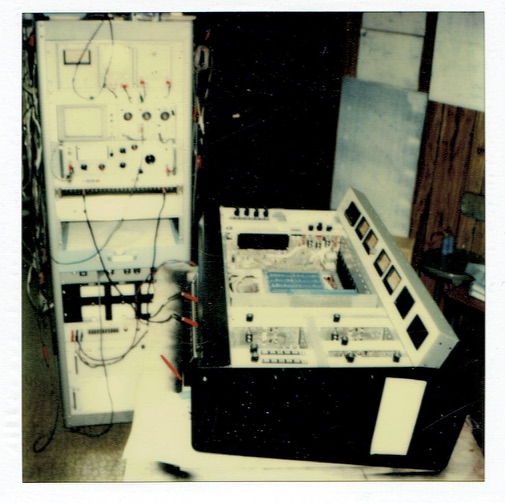
The two images above are burn-in racks for console modules.
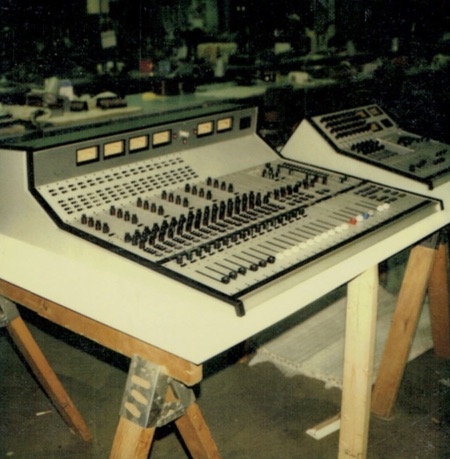
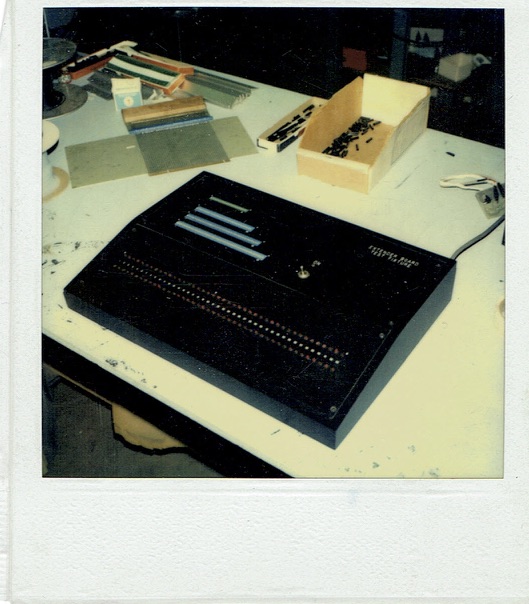
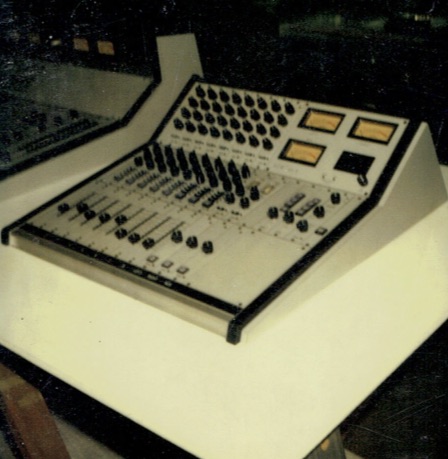
An extender-board test fixture An ADM 1600 console circa 1976 An AD-800 console built for NAB 1981 An ADM 2400 console circa 1980 An ADM-800 circa 1978
An ADM Stereo radio console undergoes testing, 1978
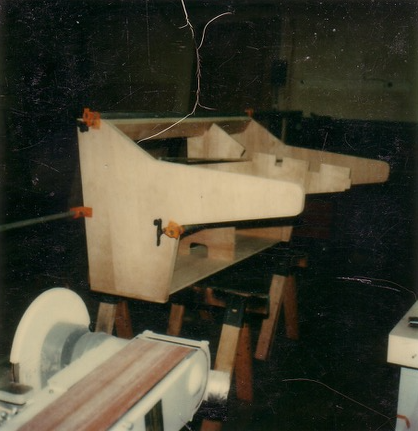
Cabinet fabrication for an
ADM-3200
Thanks for sending in these great images GF!
For previous ADM coverage on P/S dot com, check out these links:
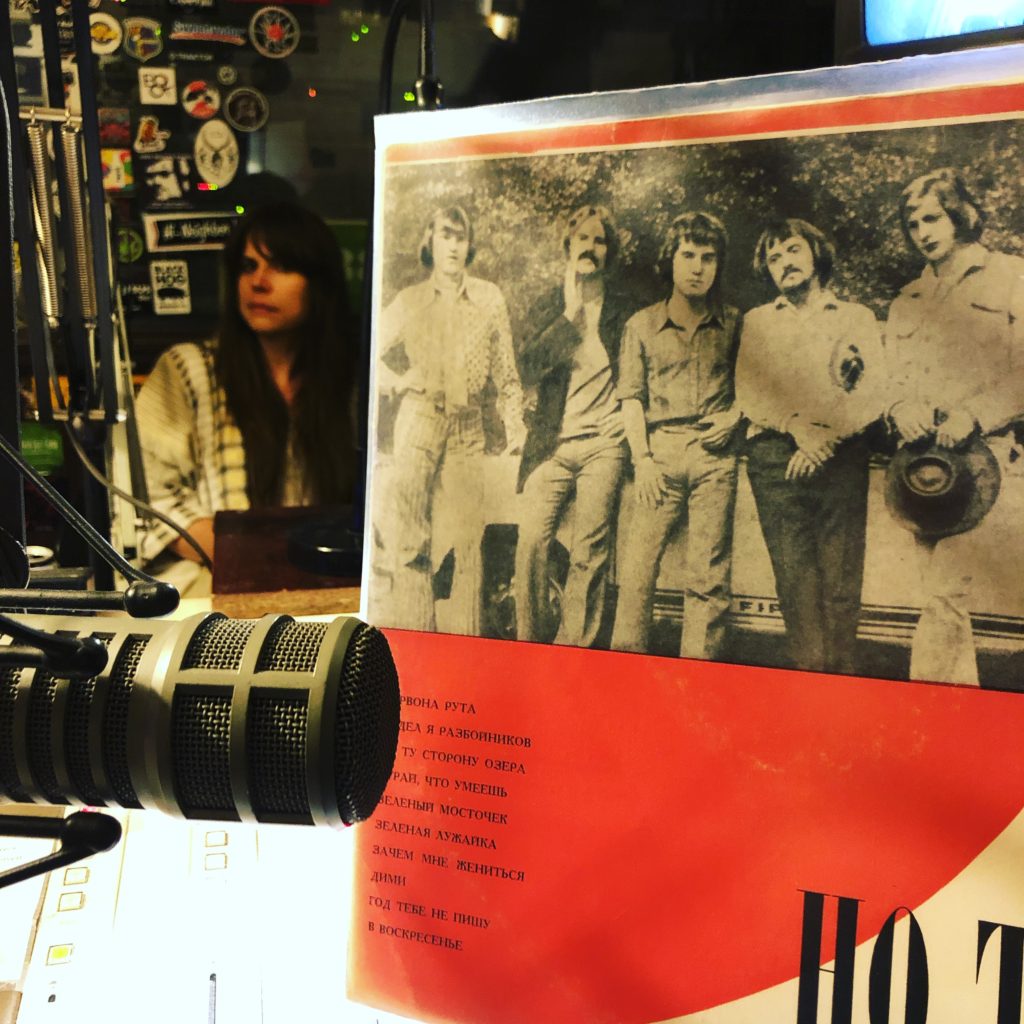
Tracking down all these records (everything is from the original 70s+80s vinyl LPs) took some doing but it was worth it… there is so much obscure and frankly incredible material on Melodiya, Amiga, and the various Czech and Polish and Hungarian labels from the Iron-Curtain days. Here’s the set list, and where possible I’ve included a YouTube link- it’s very hard to locate this stuff on YouTube, or anywhere else, as many of these files are posted using only Cyrillic characters. A few other caveats: I had to rely on Goggle Translate for the song titles and the artist names, so I can’t say for certain if any of this info is 100% accurate. At the very least though, it should provide the motivated crate-digger with some basic starting points for tracking down some of these records. Enjoy –
When State House New Haven asked me last month if i’d be interested in opening the first-ever New Haven appearance of Anika, i think I said YES halfway thru the “…ka.” Her 2010 Stones Throw LP, produced by the legendary Geoff Barrow, he one of my all-time greatest musical influences, is one of my 5 or 10 favorite albums of the past decade.
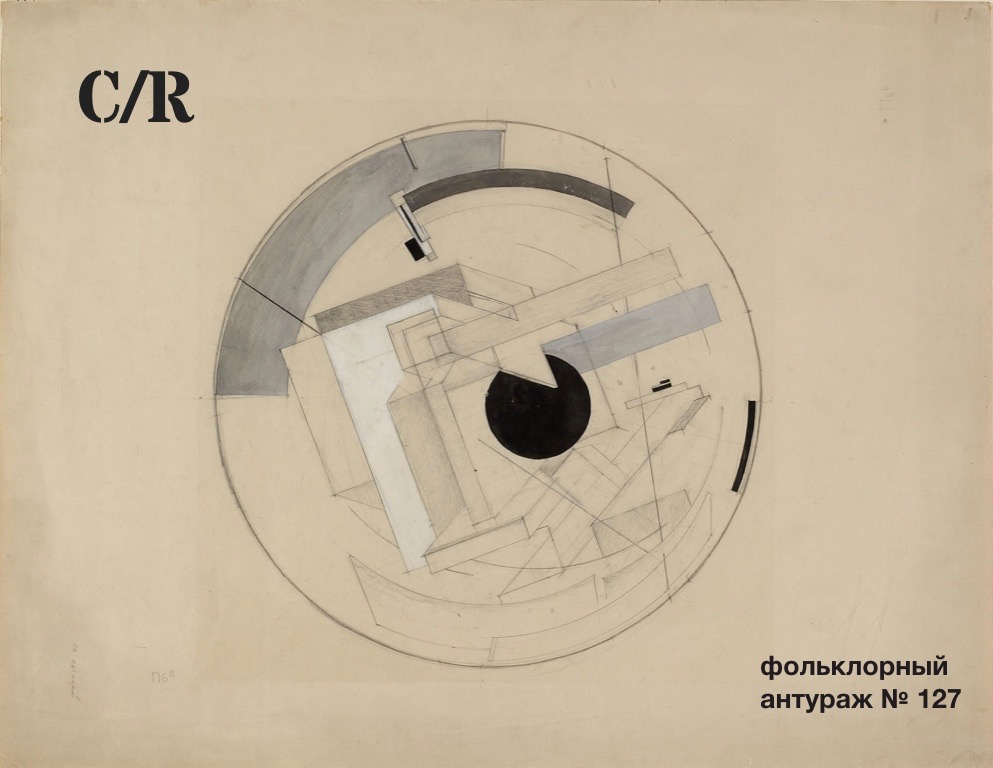
Nyasha Chiundiza is a tremendous singer+songwriter whom I have been working with the past coupla years and we’ve put together a set of all-new material especially for this show: a six-song suite based on ancient Russian folktales titled ‘Russian Folklore Variation #127.’ It is something else. We are super-excited to premiere it for you. Get tix here.
Several years ago I received a telephone call from a man named Johan VanLeer. VanLeer designed reverb systems for Hammond many many decades ago, and later developed a very rare spring system for Quad Eight. He sent me some interesting information regard the Quad Eight system; click here to read that earlier post. VanLeer is still developing new spring reverb approaches to-this-day. Here is a bit of of info on his latest project.
“Still tinkering with spring (4) reverberation systems, I thought updating you. Due to the 17″ rack width dimensions, the DELAY TIME is limited to the spring length, which has to be less than about 13”.
To double the DELAY TIME I constructed a few systems by using and updating the 1964 US Patent No: 3,159,713 by W.C. (Bill) Laube, Jr., like me, a Hammond Organ Co. Engineer. In the so called “single ended system” both the receive- and send transducer are on the same side and the other side has the spring-ends firmly anchored. So, the send-signal bounces back doubling the delay time before it reaches the receiving transducer. To avoid cross-talk from the sender (1 coil), the 2 coils of the receiving transducer are connected out-off-phase.
Three weeks ago Nathan Halpern and I finished writing and recording the final few pieces of score for Nanfu Wang & Jialing Zhang’s “One Child Nation,” and last night it won the Grand Jury Prize for US Documentary at the Sundance Film Festival. Amazon immediately picked the film up for distribution, which means that many many people will have a chance to see this powerful and heartbreaking film. It is a tremendous honor to be a part of Jialing and Nanfu’s amazing and uncompromising storytelling, and I am thrilled that it will reach a large audience.
The 2019 Sundance film festival starts today and I am very happy to LYK that I have music in two films debuting in competition this year.
Nathan Halpern and I wrote the score to Nanfu Wang & Jialing Zhang’s “One Child Nation,” which examines the forced sterilizations, child abandonment, and state-sponsored kidnappings that underlay China’s one-child policy. This is the third feature that Nathan and I have scored for Nanfu Wang and I continue to be awed by her uncompromising and completely original film making. Truly an honor to be a part of this must-see film.
I also contributed original music to “Tigerland,” the new film by Oscar-winning director Ross Kauffman. “Tigerland” details efforts to save these legendary animals from extinction, introducing us to fascinating and heroic individuals and breathtaking landscapes.
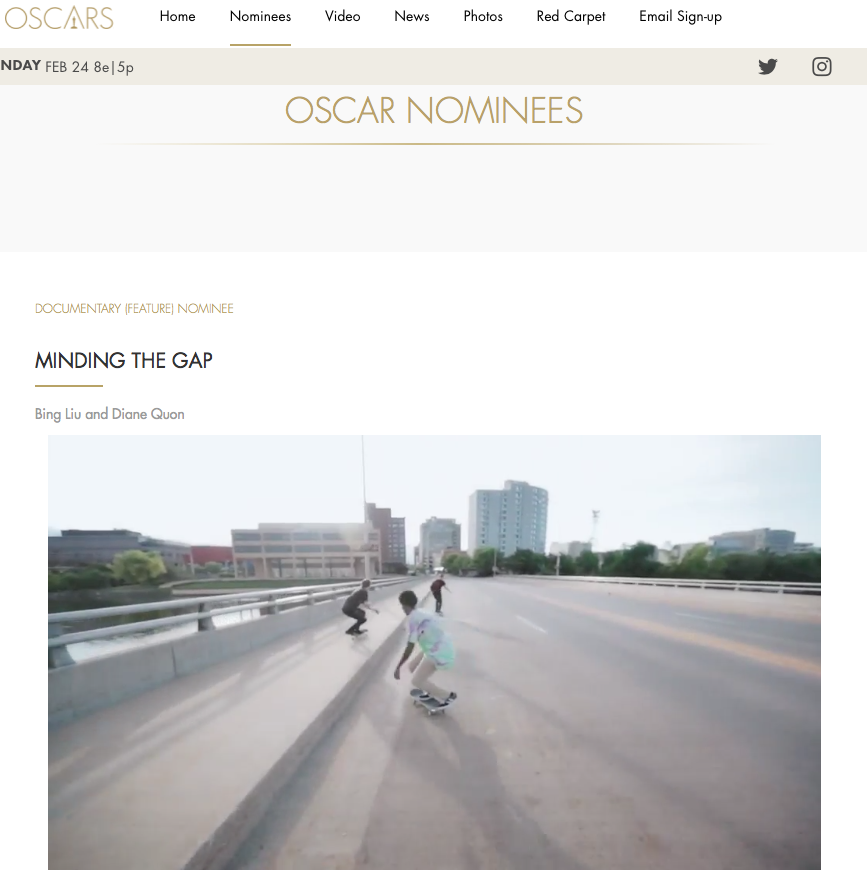
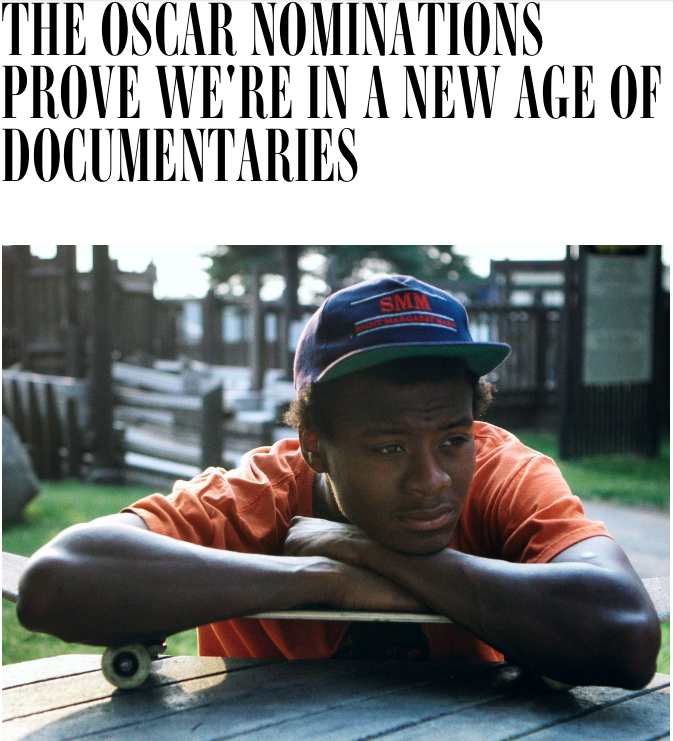
I am thrilled to announce that “Minding The Gap” has been nominated for this years Doc Feature Oscar. Nathan Halpern and I scored this debut film by director Bing Liu’s debut film in late 2017 and it has been a wonderful experience seeing how “Minding the Gap” has touched so many ppl and won so many awards over the past twelve months. The film is available to stream now at Hulu and Amazon.
As this new piece in WIRED explains, 2018 was an incredibly strong year for documentary film, and it is truly an honor to have been a part of a film that is leading this new vanguard in storytelling.
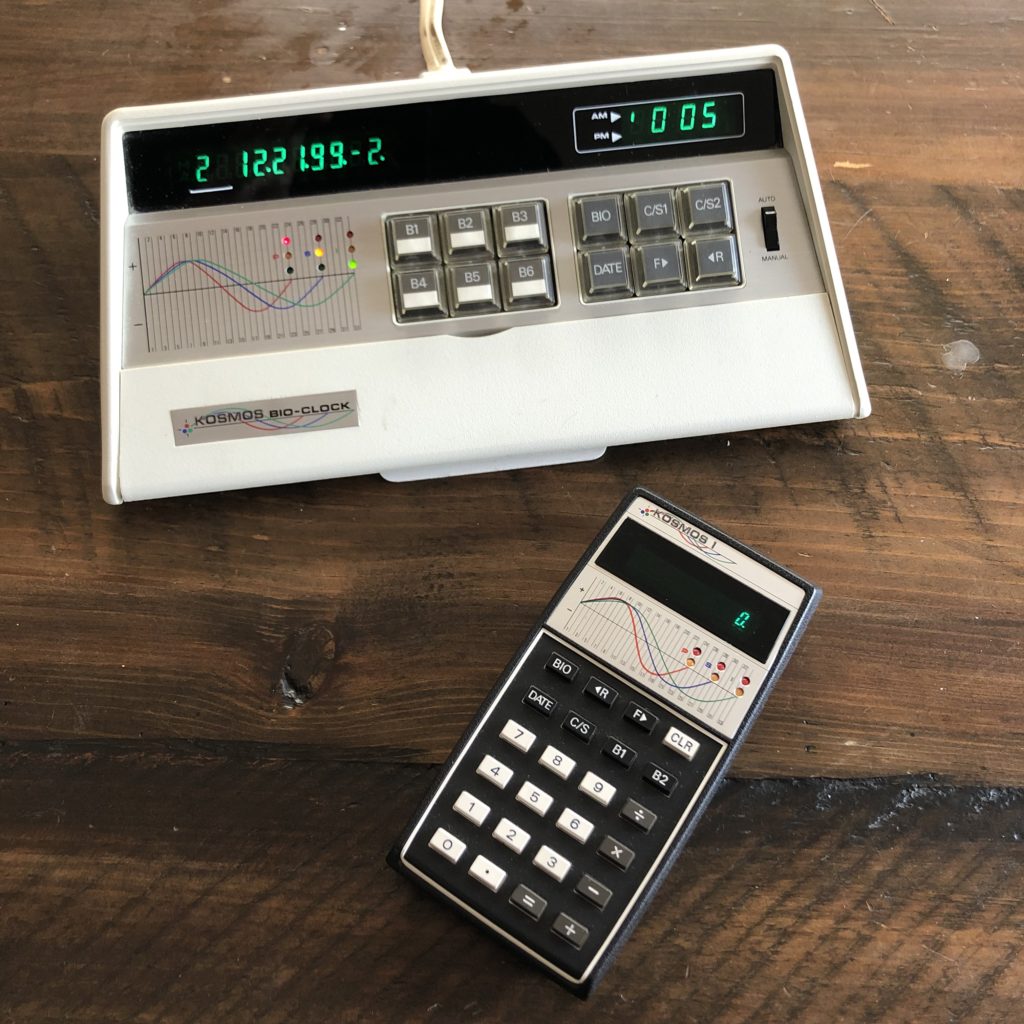
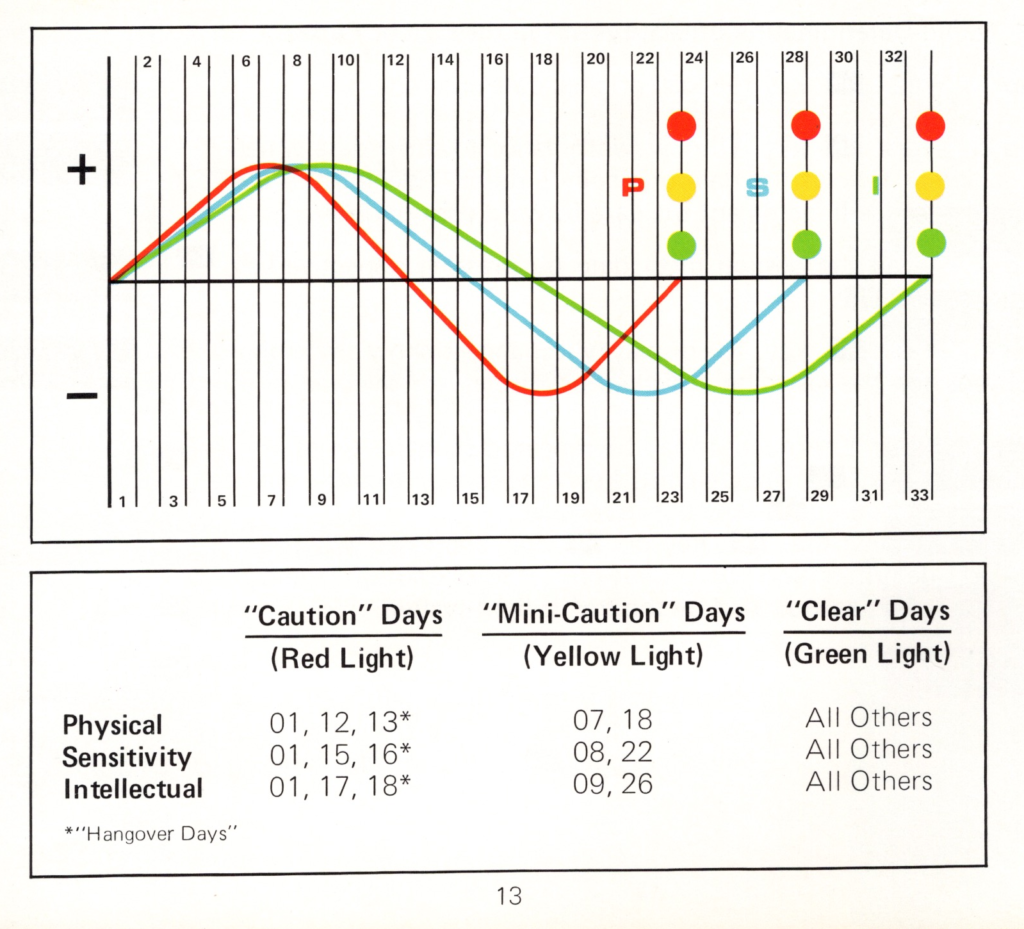
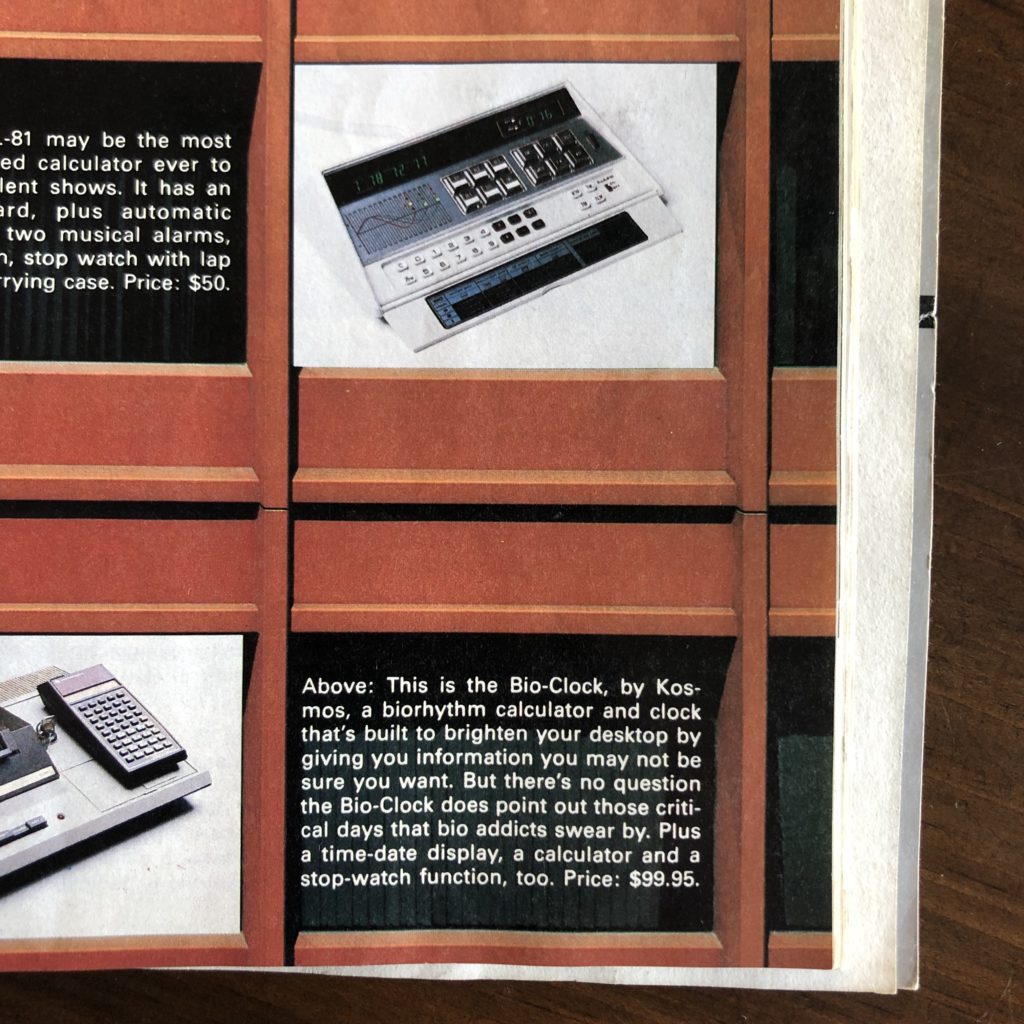
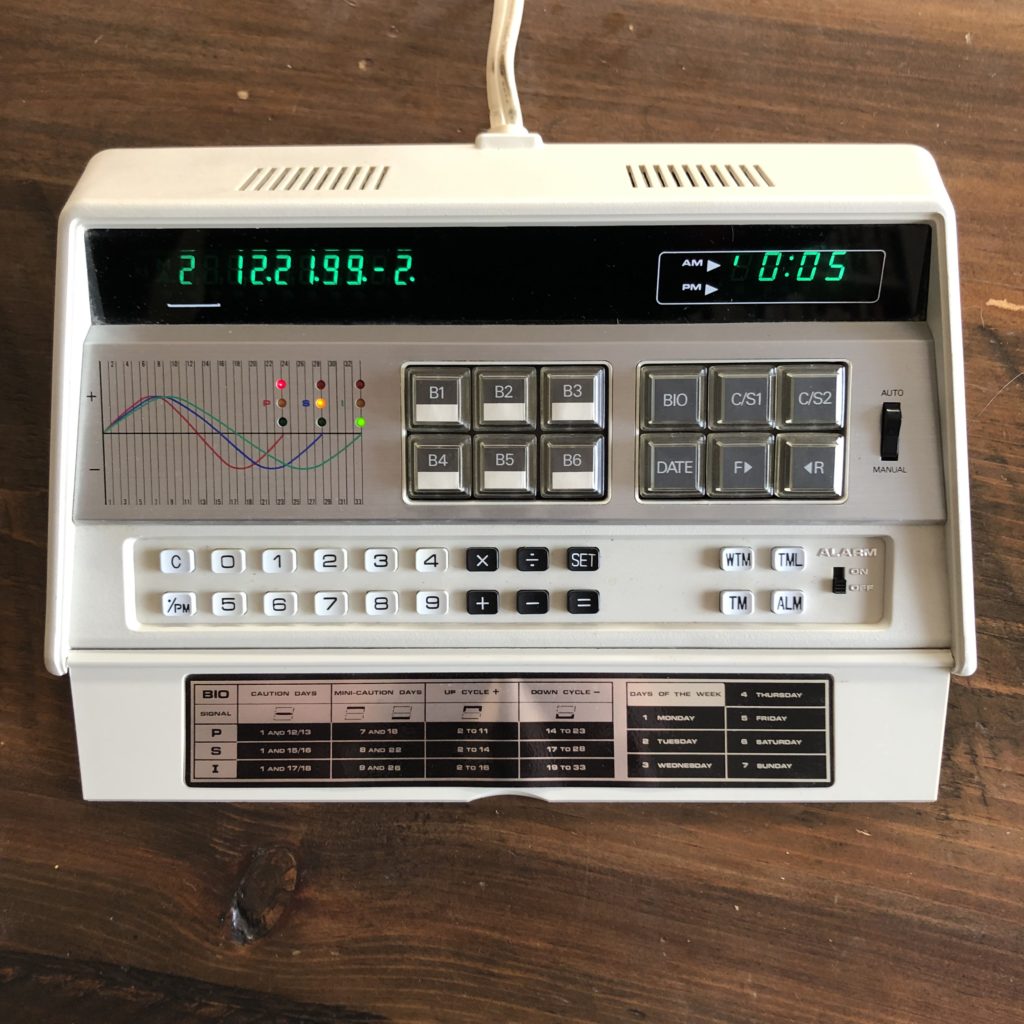
The Kosmos Bio-Clock was a high-end desk calculator/clock/device for predicting your daily moods, abilities, and compatibility with any other person. What? Hey man, it was the 70s.
After becoming somewhat obsessed with this oddity, I tracked down a few examples, but they were impossible to use without a manual; and the manual, until I uploaded it today, was not available online. In the interest of keeping the weirder recesses of 1970s consumer culture alive, I tracked down a manual and painstakingly scanned it for you, fellow astral traveler.
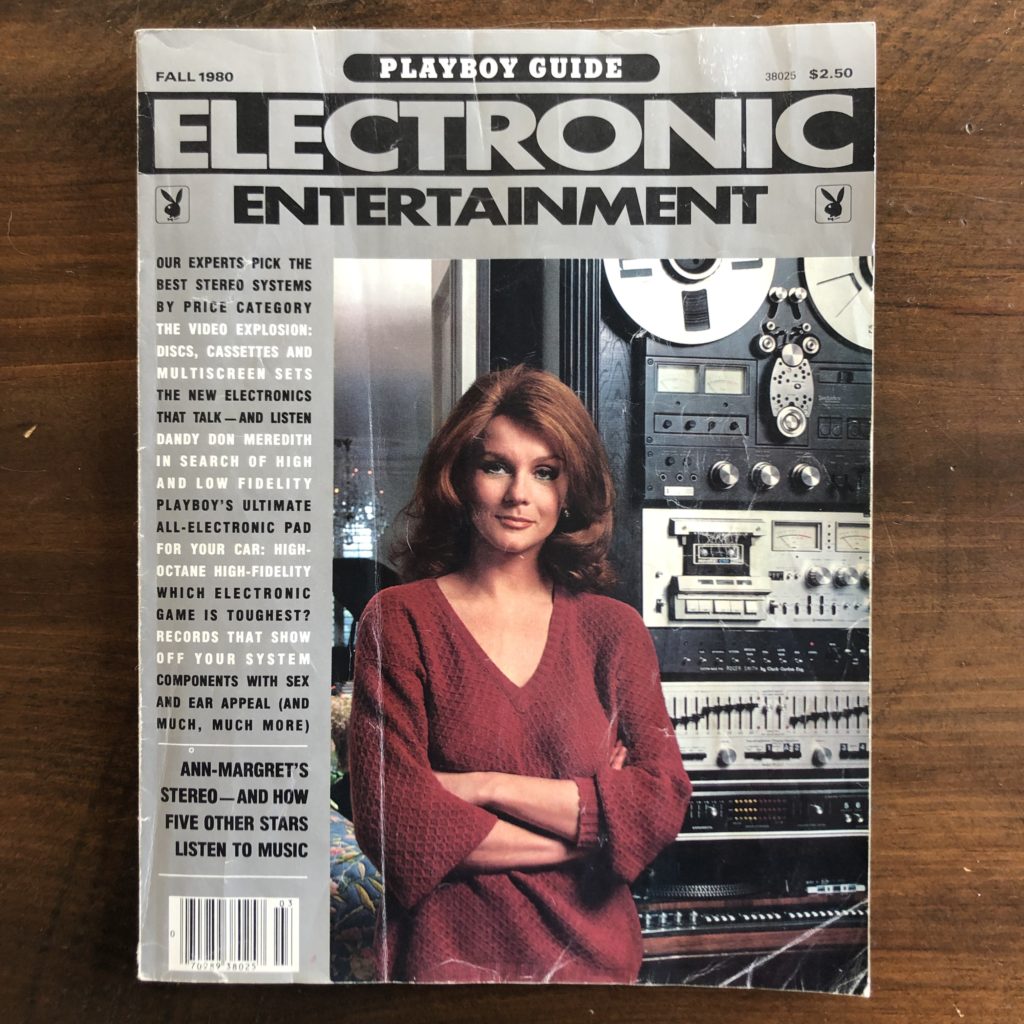
I found the magazine at left while hunting for old sound equipment at estate sales last summer (same pile, IIRC: a complete 1982 TAMA catalog and an original Gibson EBO pickup. wtf). It’s a great read, smut-free, safe-for-work, ETC, with all the contrived settings and retouched photography that this publication is known for.
I learned about two things of note from the ‘book’: *Ariston Turntables, the poor-man’s Linn (I’ve since found a nice vintage Ariston for $40), and *this crazy fucking calculator that promises a solution to all life’s problems (math-and-non-math)
I am going to resist the urge to editorialize too much. Read the manual and come to your own conclusions. If you decide to buy one of these devices, be warned that I had to buy three in order to find an actually fully working example (nb: they all ‘turned on’ and ‘lit up’ despite not accepting input data so be wary of sellers’ claims). ALSO even when/if you get one that will actually accept data input, it SEEMS like this primitive computer is not Y2K compatible, so it can’t actually show you your biorhythm data for any date past 12/31/1999 (nb: please feel free to prove me wrong if you have a working example of this device and know better). Regardless, it works fine as a clock, calculator, and it will display Bio Compatability data for any two persons born before 12/31/1999.
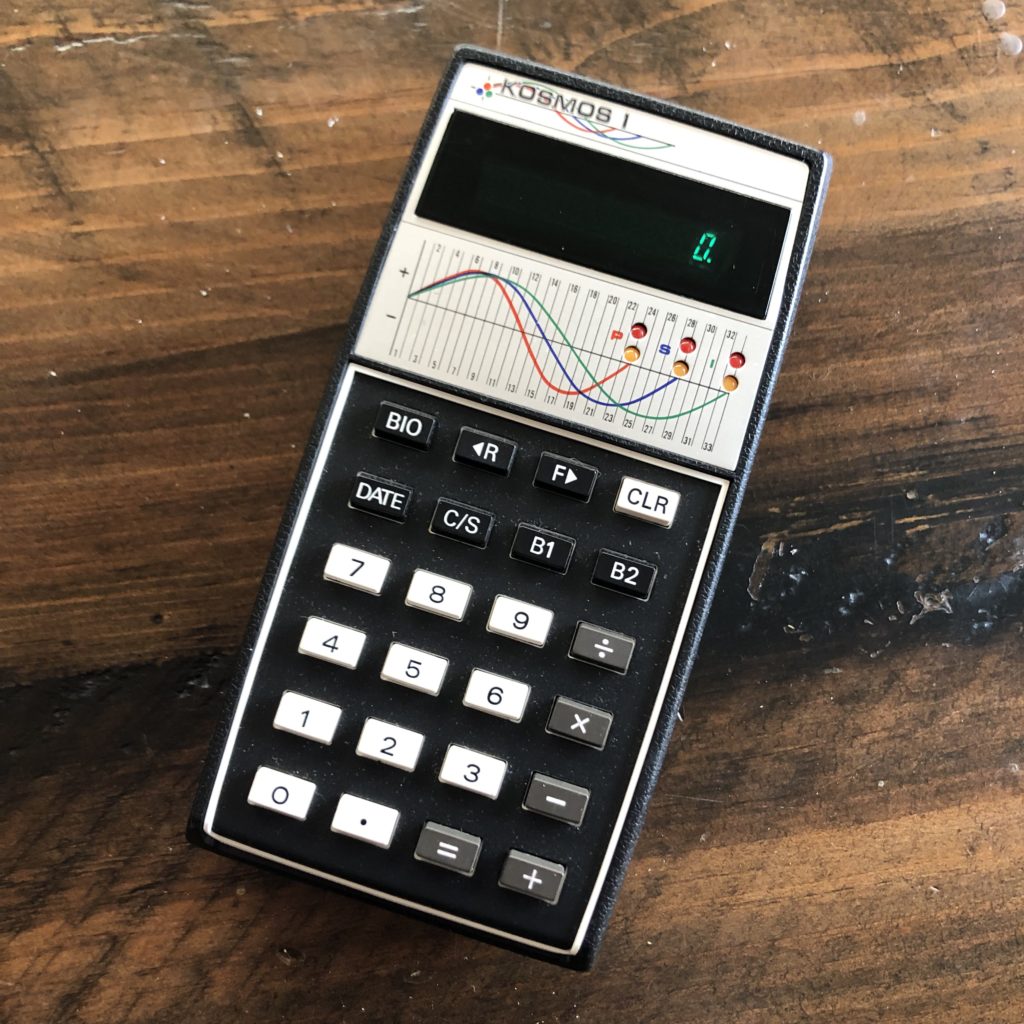
If you can’t/wont’ spend the bread on a possibly-functional Bio-Clock, the much more common Kosmos 1 offers many of the same features minus the actual clock. I’ve been using this as my daily desk calculator and it makes a fine number-cruncher.