Categories
Guitar Equipment Icons Pro Audio Archive

DESIGN ICON: MXR audio effects in the 1970s

MXR Innovations began making their first product, the Phase 90 phase-shift pedal, in the early 1970s.
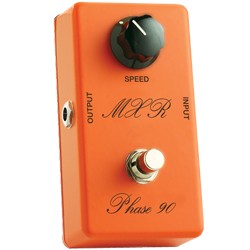
(web source)

Phase-shift is an audio effect which adds a gentle ‘swirl-y’ motion to a sound.   The sound of a clean electric guitar picking through a chord progression with a phase-shift effect is one of the truly definitive sounds of 70’s rock music.  Listen to the rhythm guitar part in this long-haired chestnut and you will hear what I am talking about.

MXR did not invent the phase-shift effect, but their Phase-90 did more to popularize it than any of its predecessors.  MXR’s real ‘innovation’ was the high-quality, small physical size and indestructible nature of the device.  In contrast, previous phase-shift pedals tended to be bulky, noisy, and not especially durable.

BTW, the MXR phase 90 is still made today, 40 years later; and it is still in wide use.  MXR Innovations no longer exists as a corporate entity; the brand-name and trademark were sold in the 1980s to the Jim Dunlop Corp, who now manufacture Phase 90 pedals in various subtle varieties.

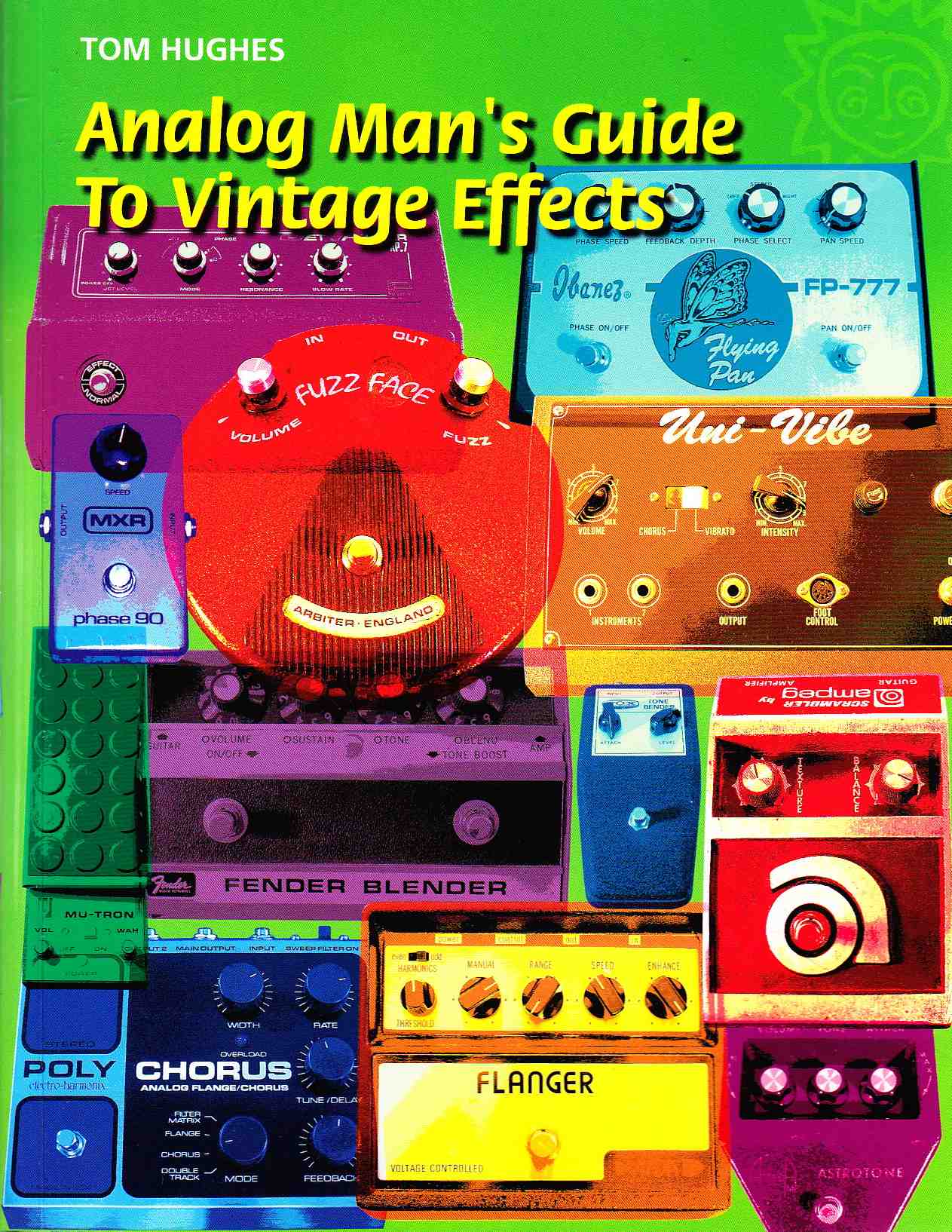
A book could be written on the history of MXR, and it is not my intent here to share that long and fascinating story.  If you are interested in the details, I highly recommend Tom Hughes’ excellent book “Analogman’s Guide to Vintage Effects,” which features candid long-form interviews with a few of MXR’s founders.  This book is a must-read for anyone who uses audio-effect processors in their work.  Thorough and essential.
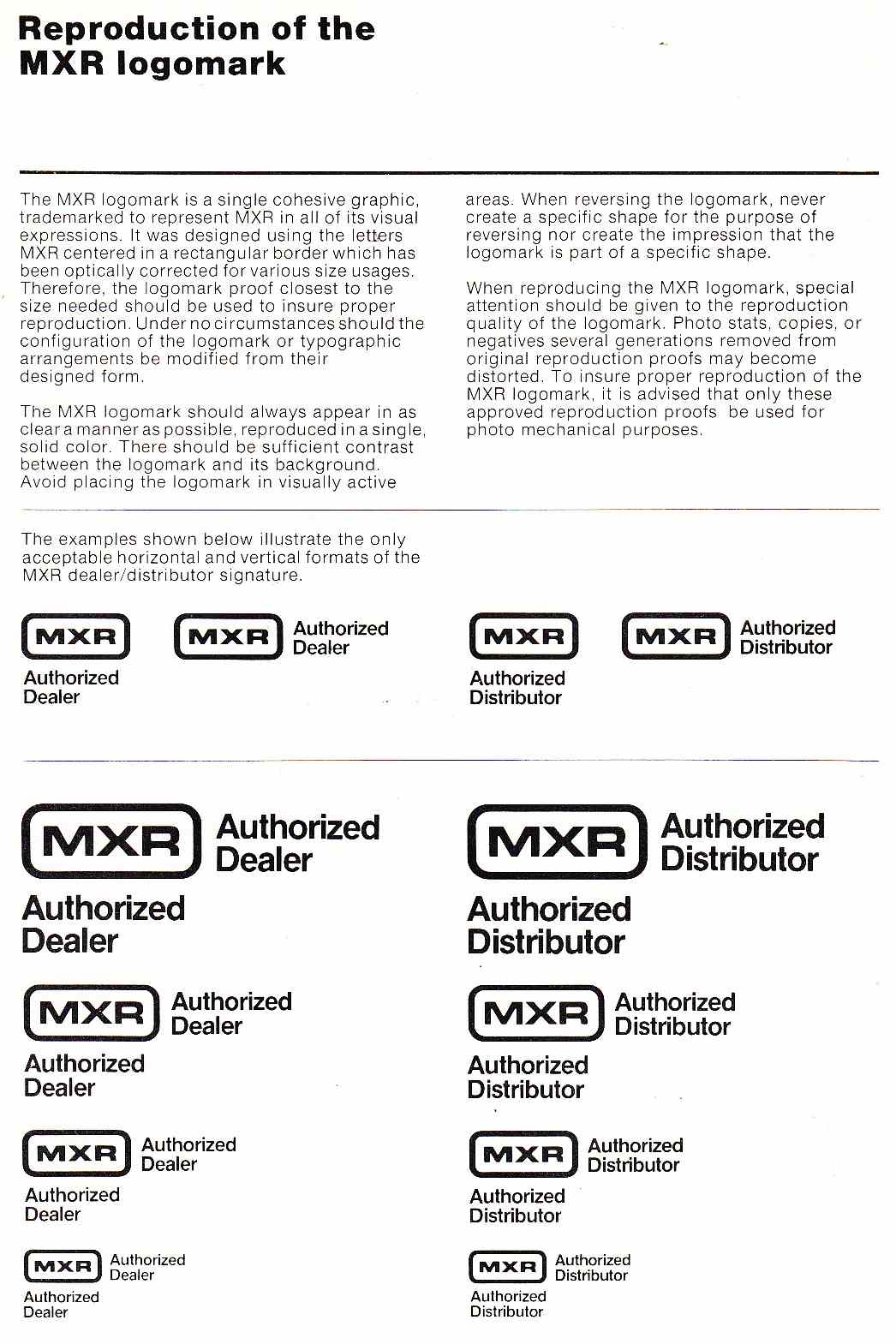
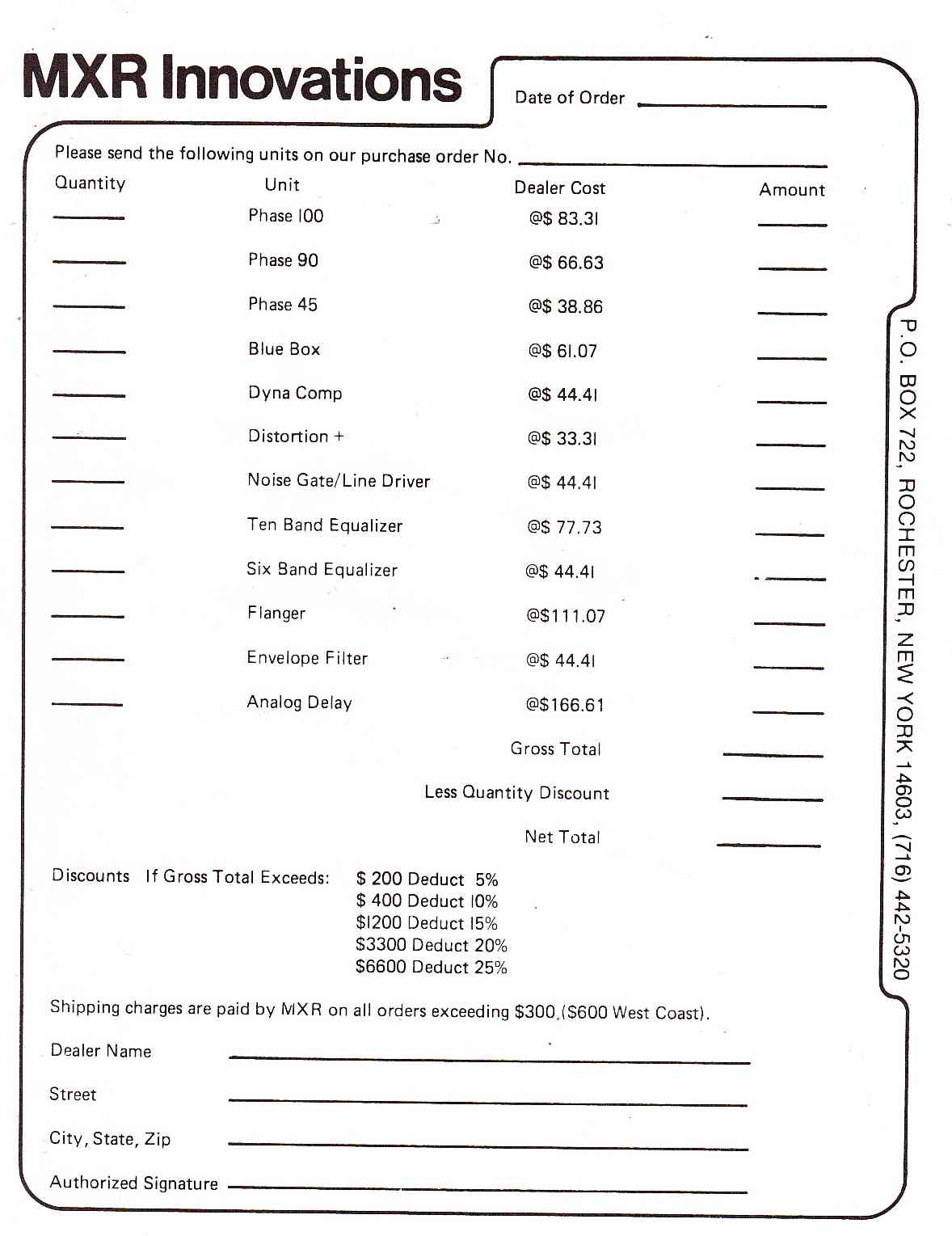
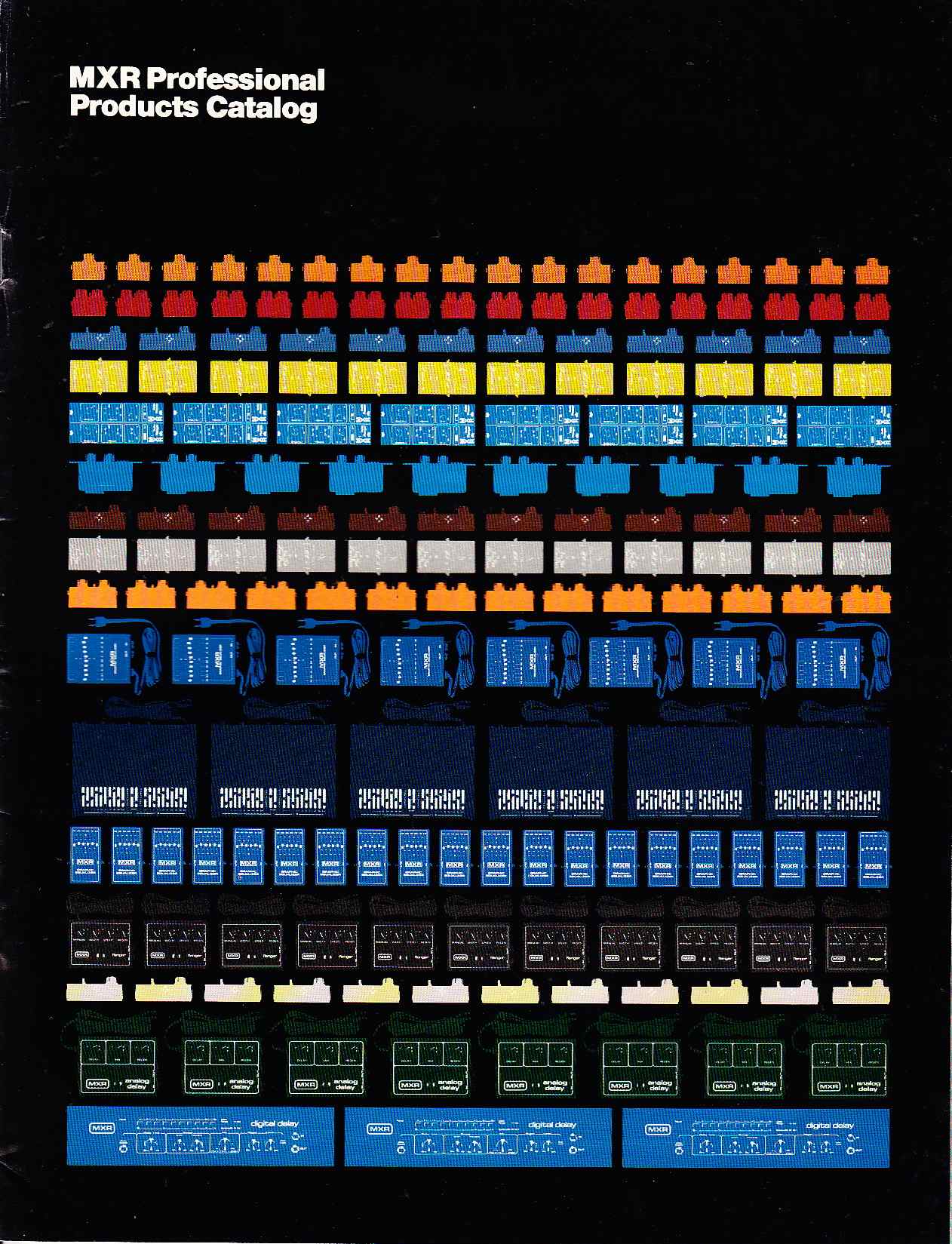
Anyhow, let’s just take a moment to celebrate the incredible and powerful industrial design and graphic design of the iconic MXR brand.  In a previous post, I included a scan of one of the early MXR ads.  It still looks beautiful and evocative today, 35 years later.  Everything that these guys did in the 70’s was done with care and attention to detail. Consider these c.1980 MXR dealer-support materials, including a full scan of the circa 1980 full-line catalog (16pp).

DOWNLOAD THE FULL CATALOG: MXR_c1980_catalog

From the Hughes book, in the words of MXR founder and Phase 90 creator Keith Barr (later, founder of Alesis (!)):

“I mean, to me, MXR was an art project.  Yeah, it was a business, and yeah there was the little game to see how cheap we could make a unit, but still make it reliable…Richard was the guy who was really into the sound, I was the guy who was into clever design, Tony was the guy who was into digital circuitry, and all of us were into…that’s why they ended up calling there company ART, A-R-T.  We had this idea collectively that what we were doing was an artistic expression; it was the way this thing was packaged, the way it looked, the way it felt- all these little things made up what it is” (Hughes, 234).

Oh yeah… in case you were wondering… not only did Barr go on to create Alesis (the company that literally changed the world of home-recording forever with it’s ADAT digital 8-track),  the other MXR designers Richard Neatour and Tony Gambacurta created ART, arguably the most innovative guitar effects company of the 1980s and 1990s; and Mike Laiacona, MXR’s first salesman, created Whirlwind, which is still one of the major forces in meat-and-potatoes basic pro-audio hardware.  Incredible.

Categories
Publications Synthesizers

Hammond Times Promotional Magazine 1953

Hammond Times was published by the Hammond Organ Company from around 1938 through at least 1962 (the last issue that I have personally seen is 1962).  Click on the link below to download the 12-page issue Vol XV, No. 11, from March of 1953.

HammTimesXV11

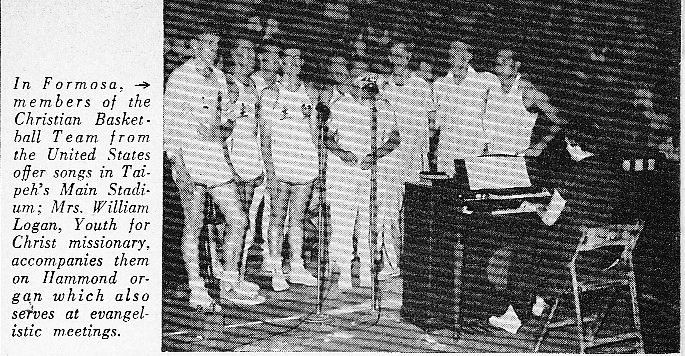
This is, of course, the Pre-Rock-Era.  The Hammond  Organ, long a staple of rock music, began its career as an instrument for churches that wanted a reliable, inexpensive alternative to pipe organs.   When you think ‘Hammond Organ,’ you probably imagine something like this:

…but, of course, this was not Hammond’s intention for these devices.  They were imagining something more like this:

The Hammond Organ’s incredible sound (owing in large part to the rotating Leslie speakers that often amplified it) was intended to be the sound of the heavens… the sound of the Lord.  What better way to bolster your Rock-anthem than with the Chords Of God.  It’s adaptation to RocknRoll was inevitable.

Categories
Pro Audio Archive RCA

Cuttin’ Records: RCA Recording Filter and Cutting-Arm Assembly

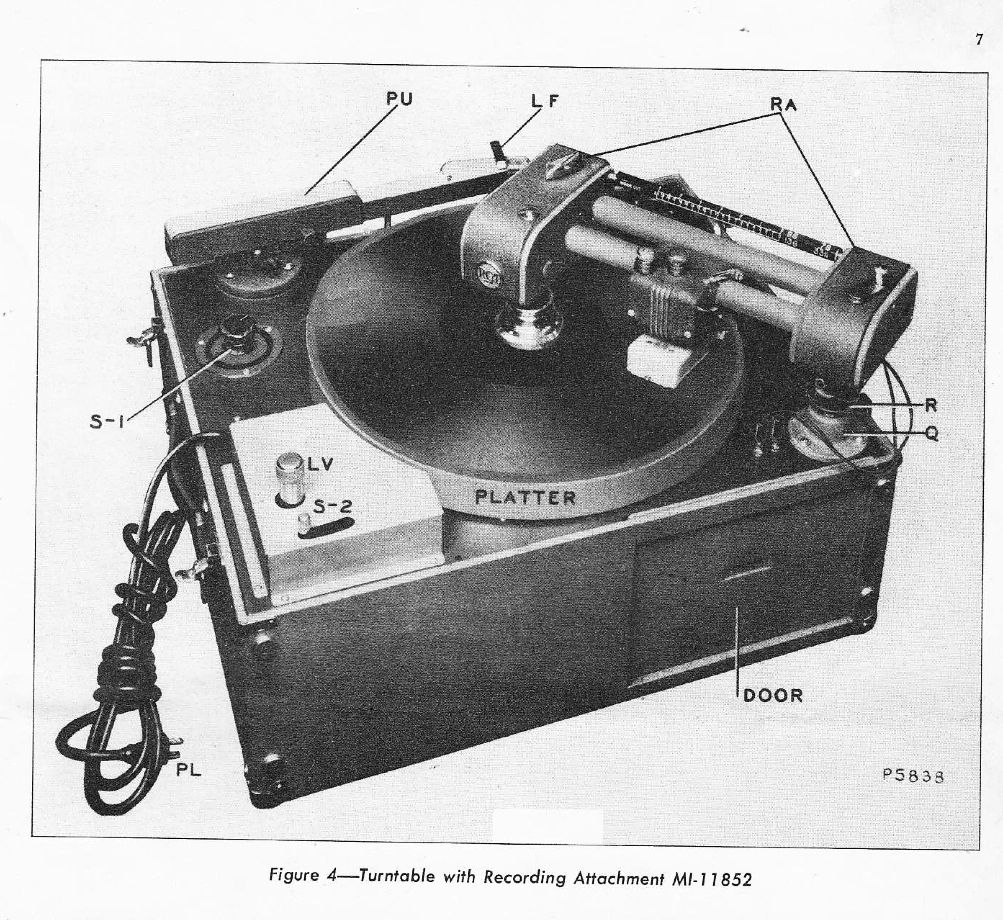
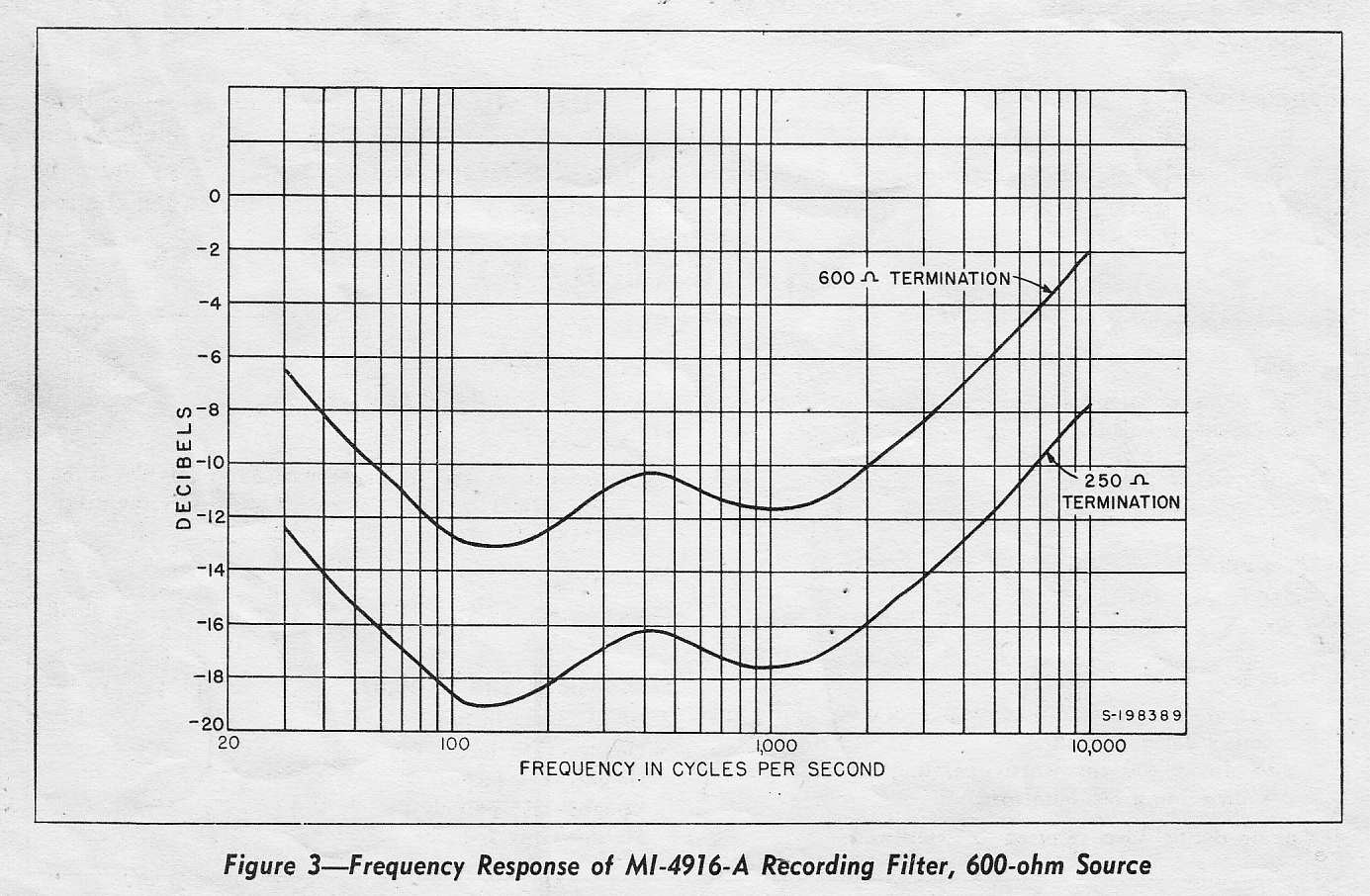
Most days in the studio end with me making WAV or MP3 files of scratch mixes or final masters.  I will then upload, copy, or email the files to the musicians.  It takes mere moments to do this.  60 years ago the process of creating a listening copy was considerably more difficult.   The engineer would need to literally cut a record from the studio tape.  And the record was not a literal exact transcription of the tape; the input signal to the record-cutting head required considerable equalization so in order to make a record that would ‘playback’ properly on the equipment of the day.  Click on the links below to download the manuals for the RCA ‘Recording Attachment’ Type 72-D and 72-DX, aka MI-11901/MI-11900.  The ‘recording attachment’ was an assembly that would be mounted on a turntable.  It consisted of an arm, with various provisions to adjust tracking pressure and record timing, and a cutting head.  The second PDF is the manual/schematic for the ‘Recording Filter’ M1-4916-A, which was a passive fixed-equalizer that provided for the then-current ‘orthacoustic’ frequency-response characteristic.

‘Orthacoustic’ response was a pre-RIAA record compensation curve necessitated by the the intrinsic flaws of record-lacquer material and turntable-mechanics of the 1930s.  Confused yet?  Read this very informative Wiki article on the history of the (still in use in 2010) RIAA compensation curve and all will be made clear (maybe).

Here are the manuals…

RCA_MI-11901

RCA_MI-4916-A

Categories
Publications Technical

MJ Audio Technology Magazine

In a previous post, I discussed the late great American magazine Audio, published between 1947 and 2000.  Audio combined equipment reviews, listening tests, music reviews, and DIY tech into a single publication.  It’s cessation has left a great absence in the American audio-scene that the internet has luckily filled (chicken or egg?).

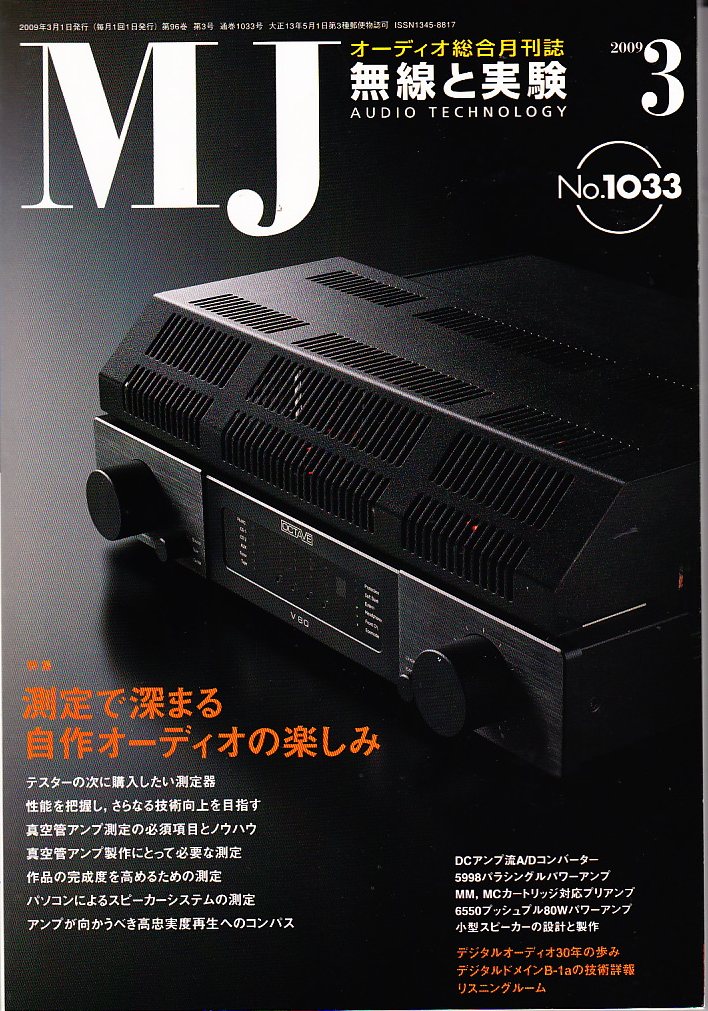
MJ Audio Technology magazine is the closest Japanese equivalent to Audio.   However, MJ has been in print since 1924 (!) and it is still being published.  Amazing.  Here is a brief history of MJ, taken from the DIYaudio listserve (member tiefbassuebertr):

“This magazine, founded in 1924 by Mr. Mitsugu Tomabeji, is one of the earliest and most influential radio magazines that I know. In the early years it was Radio experimenter’s magazine (Musen to Jikken = Radio and Experiments). The early publisher of this magazine was the currently brand ITO and the currently publisher now is Mr. Seibundo Shinkosha. In general this magazine is a DIYer magazine and is very technical but is full of great articles on electronics and speaker design, room acoustics, audio history, as well as reviews, news, show reports, etc.”

(Web Source)

Even if you can’t read a word of Japanese, this is a great magazine to pick up if you are interested in audio DIY at all.  Recent issues can be purchased at Kinokuniya in New York City.  I would bet that the several Kinokuniyas on the west coast stock it as well.

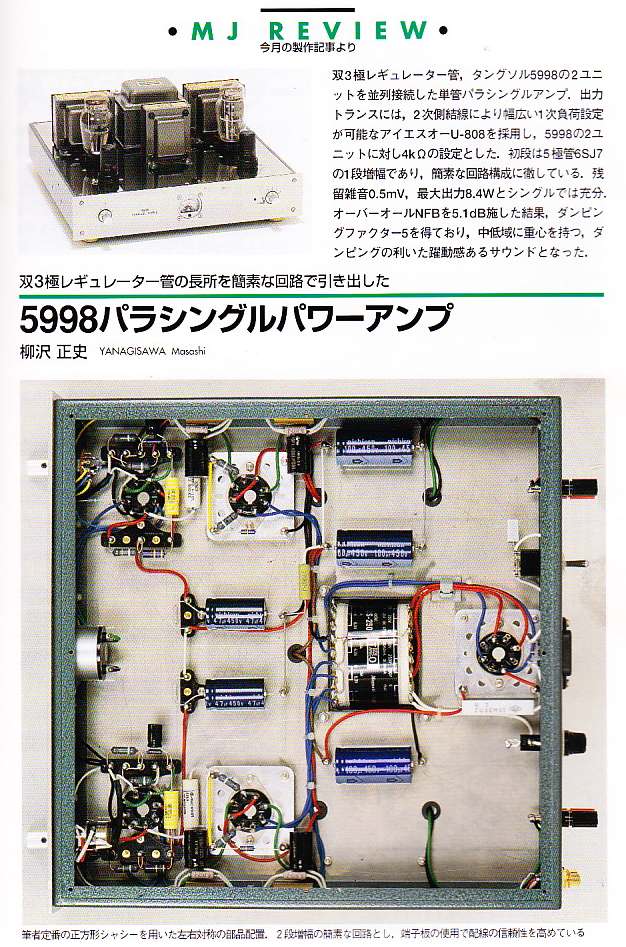
Here is an example of a project from the 1033rd issue.

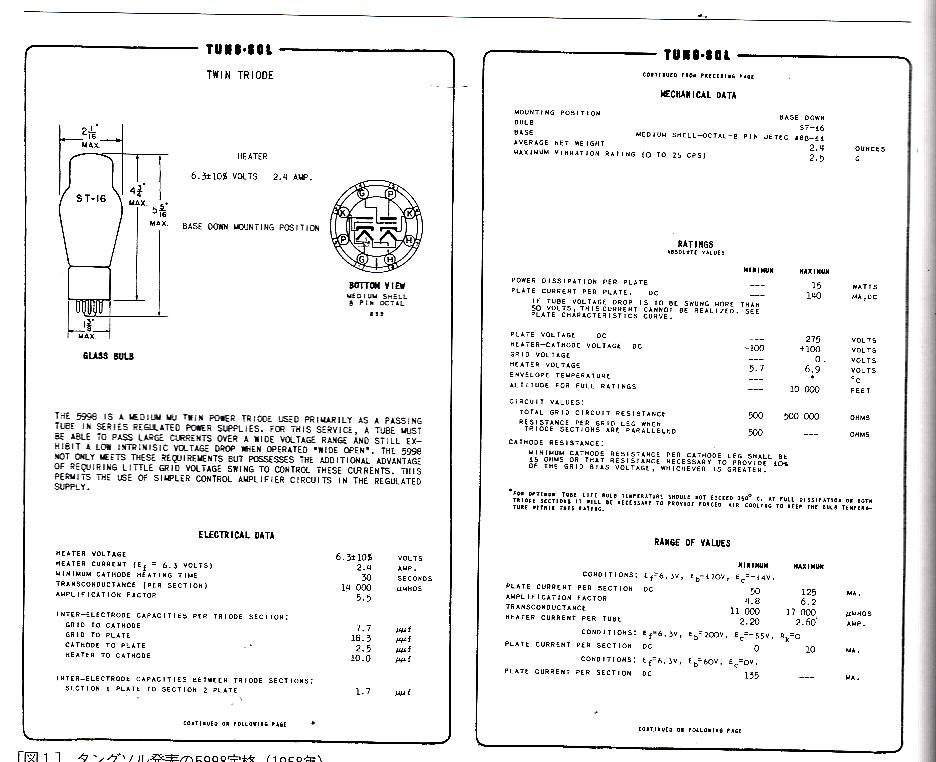
…Here we see a beautiful build of a Single-Ended parallel stereo amp which uses the very unusual 5998 twin-triode tube.  This is a tube that I had not been aware of, as it was never intended as an audio tube by the manufacturer.  Nonetheless, MJ has based this project around it.  We are offered the tube data sheet…

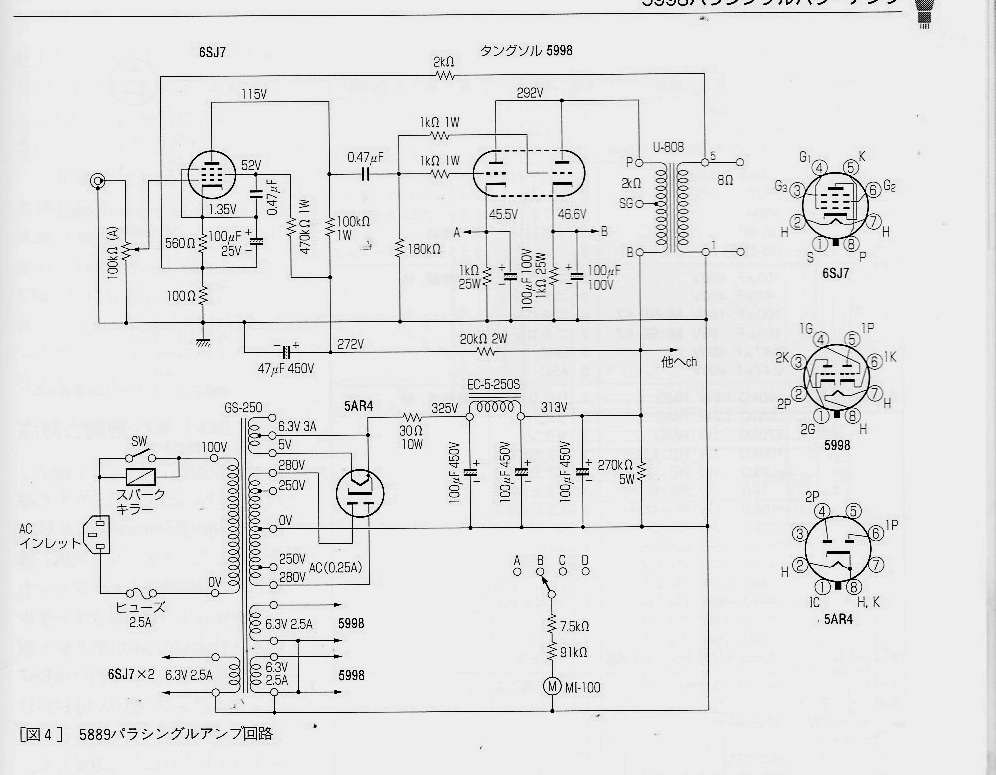
A very clear and well-illustrated schematic,…

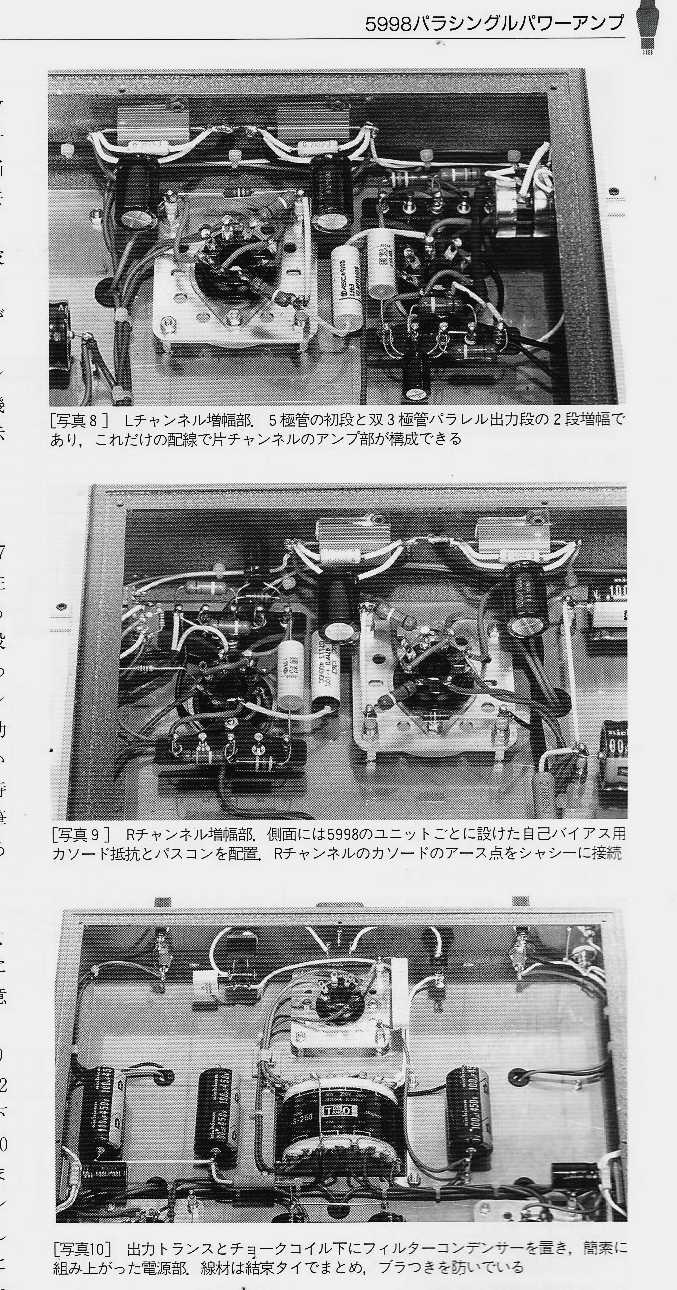
…Layout details,…

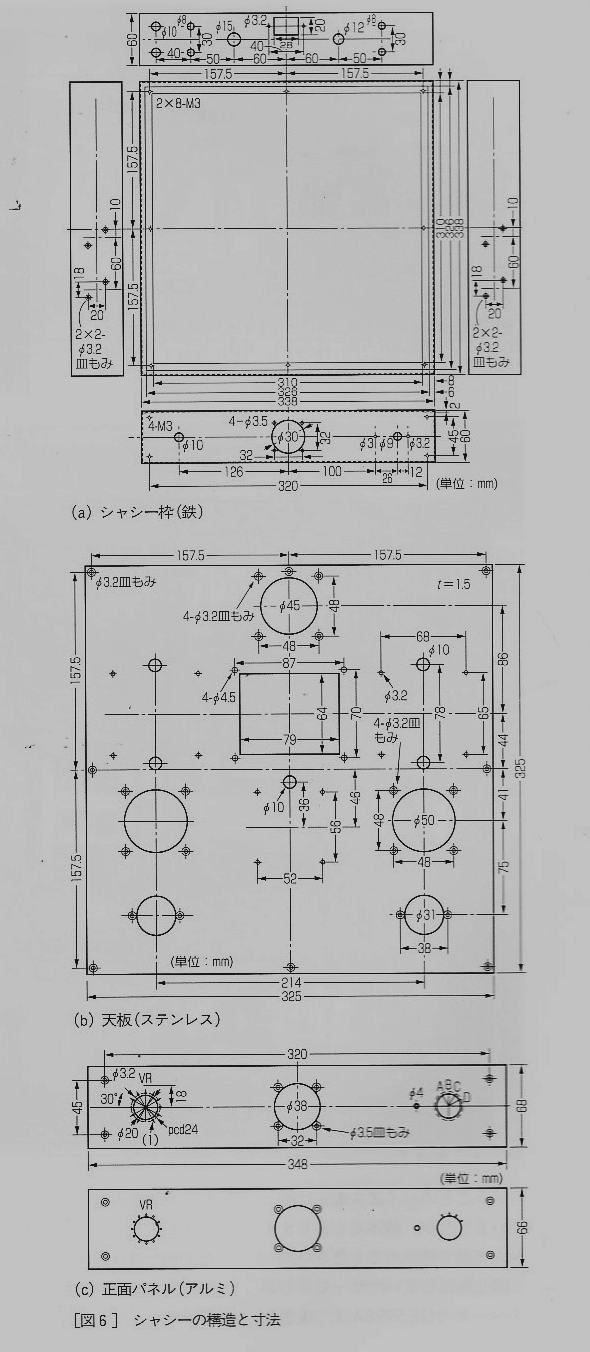
…And even chassis-fabrication guides.

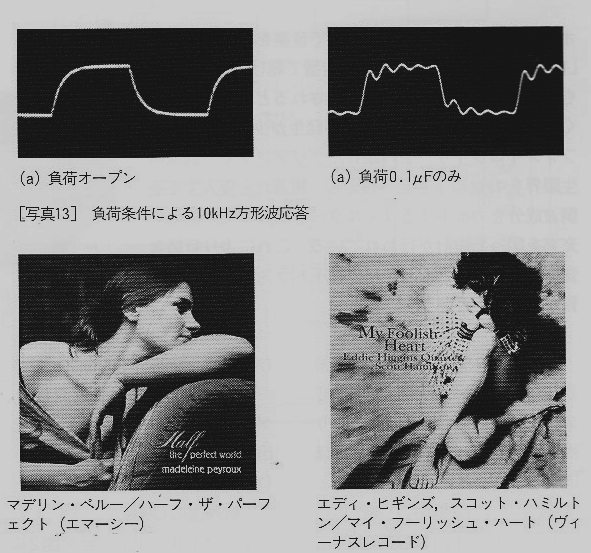
Overall, the level of quality and attention-to-detail most reminds me of the old Mullard “Tube Circuits For Audio” book (also excellent).   Finally, the technical performance specs, and listening tests. These listening tests generally seem to involve the singing and/or playing of pretty-yet-demure women.

This project is given much greater detail in the magazine than I am providing here, and in fact it is only one of several on offer in this issue alone.  Check it out if you can.

Categories
Manufacturers Pro Audio Archive

Audio + Design Scamp Outboard Modules

Audio + Design (Also known as Audio & Design, or Audio and Design, or Audio Design Recording- hf. ADR) is a British firm that was responsible for the first FET-based limiter.  Their ‘Vocal Stressor’ dynamics processor has long been rumored to be the the kit limiter used on many Led Zeppelin recordings.  For readers who have not spent much time in recording studios:  John Bonham’s  drum sound on the Zeppelin records is still, 40 years later, regarded as a benchmark of rock drum sound, by both drummers and producers/engineers.  And by rock-music fans in general.  A lot of time gets spent daily in recording studios around the world trying to ‘get that Bonham sound.’  So this rumor is somewhat significant.

Other well-known users of the ADR compressors include Mike Chapman, producer of The Sweet and about a million other seminal 70’s groups.

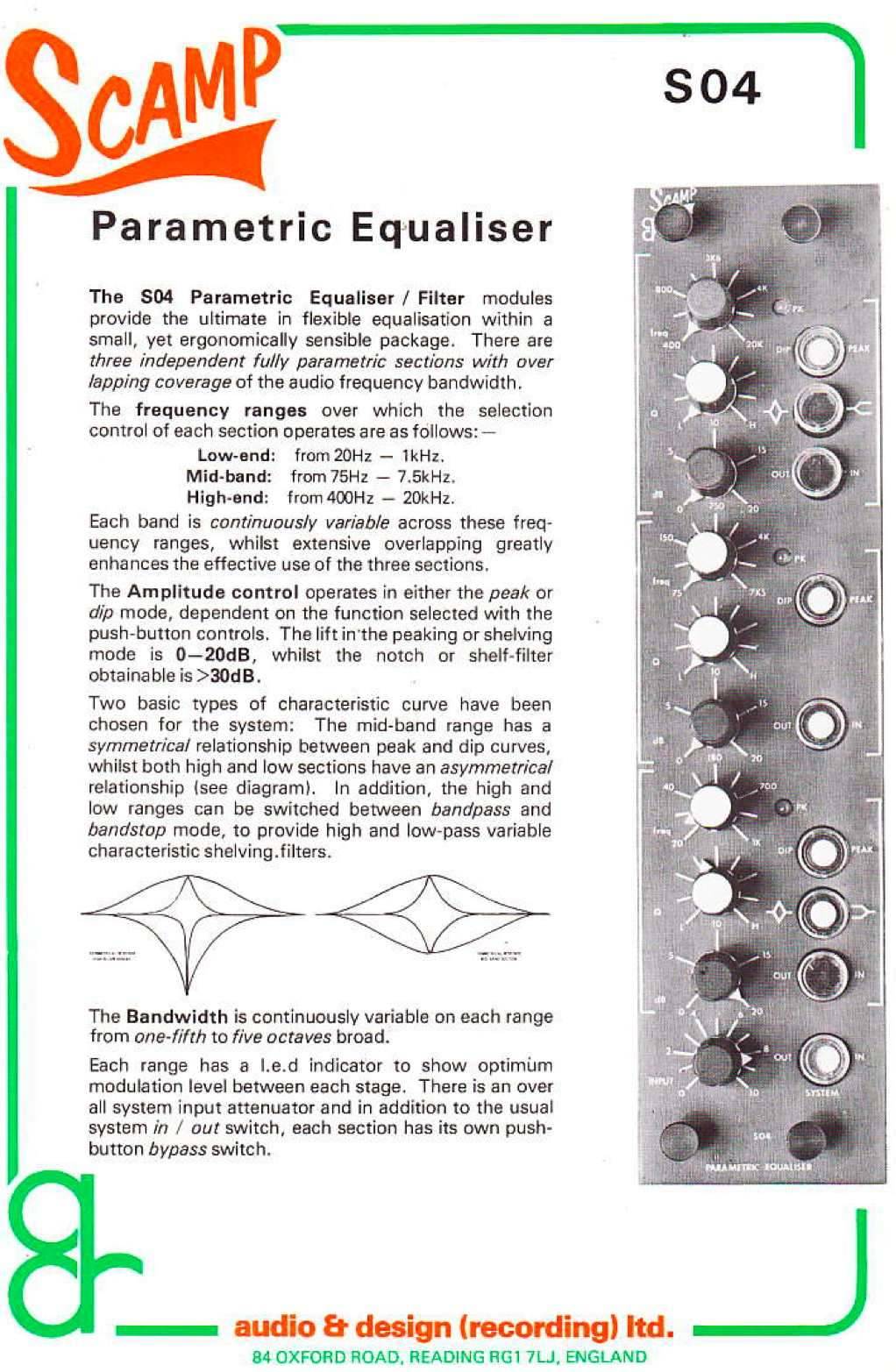
Anyhow.  The unit featured at the head of this post is module from ADR’s ‘Scamp’ line of plug-in modular audio processing equipment.  From what I have been able to tell, various units in the Scamp line were available between at least 1976 and 1984.    Modular racks of audio processing equipment were very popular during this period.  The concept is a good one: users can purchase a single rack-case with slots that accept the manufacturer’s modules.  The Rack-Case has a built-in power supply which provides the voltage(s) that the units need in order to operate.  In this way, a single chassis/powersupply can support up to 17 pieces of processing gear, rather than each little compressor, EQ, etc., each having their own.  Since the current draw of these items is so low, it makes a lot of sense. It saves a lot of space in the studio, and it saves money.

Of the other contemporary manufacturers of modular processing set-ups,   The DBX 900 series is perhaps the most widely-seen.  Valley People, Aphex and API also made these types of product lines.   The API 500 series has survived, and in fact become a contemporary standard in recording studios, with dozens of independent firms currently making a huge variety of processing units to fit the API-500 spec frame/voltage.   I have a DBX 900 rack and an API 500 rack, and they are some of my most-often used pieces in the studio.

There is a lot of documentation on the web regarding the DBX 900 series and the API 500 line.  The ADR Scamp line-up is not as well-represented.  Click on the link below to download 18-pages of 1976-1984 SCAMP paper.

DOWNLOAD:

AudioAndDesignScamp1984

Categories
Synthesizers

Yamaha Electronic Keyboard Lineup Circa 1980

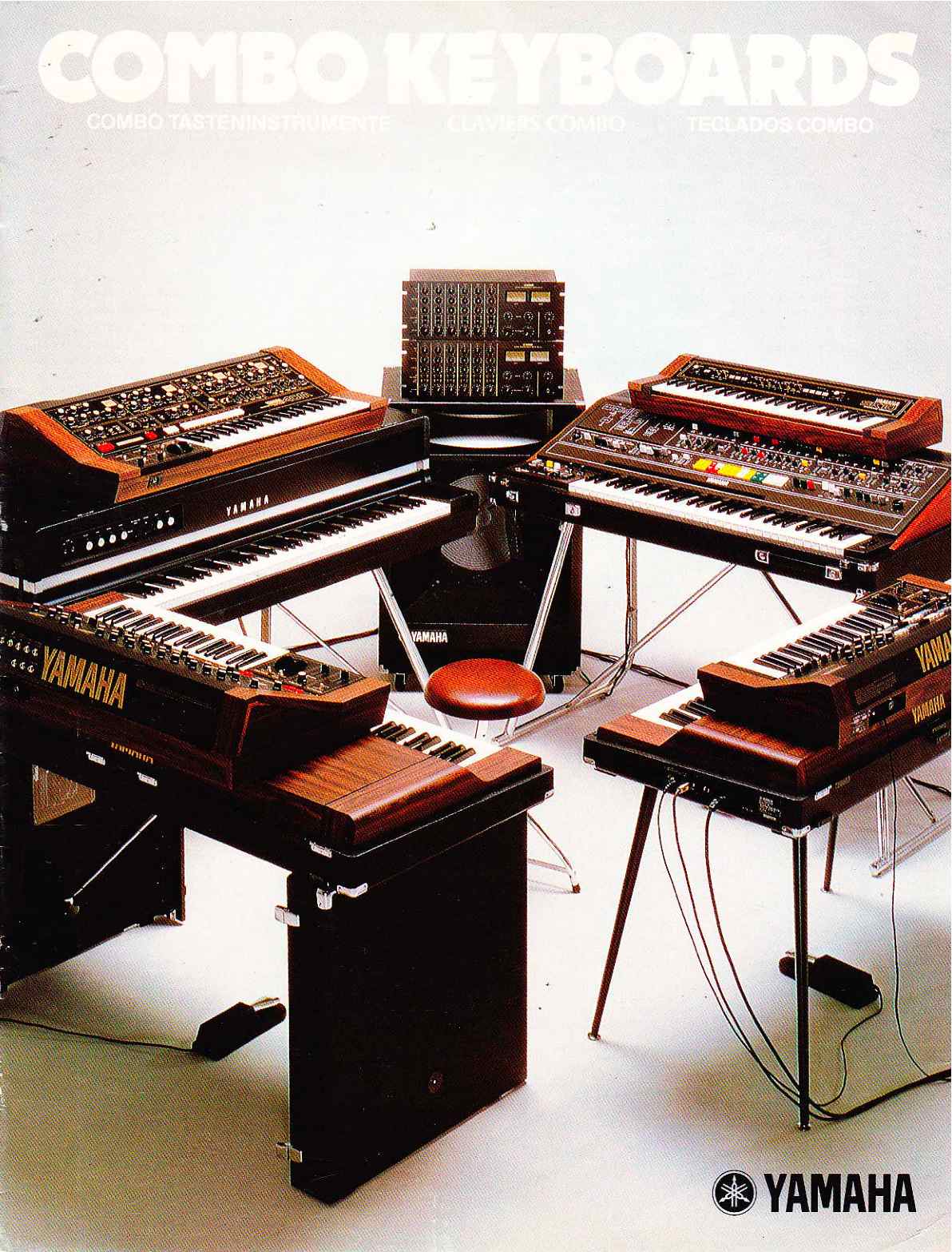
The first in a 3-month series of scans of obscure audio paper:  the entire Yamaha Keyboard line from approx.  1980 (no date indicated in the catalog itself).  Yamaha made some great analog keyboards – i currently have a CS-1 and it is very cool – and there earlier ‘YC’ combo organ series are very underrated.  “The Peavey of Japan,” it has been said.  Dig in….

Download the entire 12-page catalog (6 megs):

YamahaKeysC1980

Categories
Uncategorized

Under Construction. Call For Archival Requests.

Tomorrow marks the first day of what we expect to be a 3-month period of intense construction work to create a new recording studio-space here in historic Bridgeport CT.

Since this process will have me very… occupied, I am going to take the opportunity to focus this site for the next three months on my collection of catalogs, manuals, schematics, and product sheets relating to older+antique audio.  Everyday I will post full scans of a new document hitherto unavailable on the WWW.  Expect some very interesting and very unusual stuff, with daily updates.

If anyone out there has any requests for scans from a certain manufacturer, product, or product type, just drop me a line and if I have it (and it’s not already on the web), I will scan and post it.

During this 3-month period I will continue to write posts similar to the existing content, but these will come on more a weekly basis rather than daily.

Starting in February I will resume the daily-updates of the more broad nature that is the goal of this website.