Categories
Uncategorized

Stromberg Carlson Full-Line (Audio) Catalog 1950

Alright already: it’s time to get away from the arch-obscuro-mixtapes, the pseudo-clever cultural commentary, and the puff pieces on electronic music ‘mavericks’ and get back to the core values of this website: time-consuming scans of ancient catalogs full of antique sound equipment of interest to 20, maybe 30, cranky retired men somewhere in the U.S.

Download a 25pp excerpt (I’ve omitted the telecommunications equipment) of the 1950 Stromberg Carlson Audio Equipment Catalog:

DOWNLOAD: StrombergCarlson_1950

Products covered, with text, specs, and photos, include: Stromberg-Carlson AU-29, AM-48, AM-49, AR-37, AU-32, AU-42, AU-33, AU-34, AM-43C, AP-25, AU-35, AU-36, AV-44, AV-45 amplifiers; AV-38, AV-39, AV-44, AV-45, and AV-46 preamps; Stromberg Carlson PS-29, PS-32, PS-33, PS-34, PS-37, PS-42 portable sound systems; plus a shit tonne of re-branded dynamic mics, speaker enclosures, drivers, including the RF-71, RC-13, RC-14, RC-15, RC-23, RC-25, RC-55, RC-57; Matching transformers, klaxons, and mic stands.
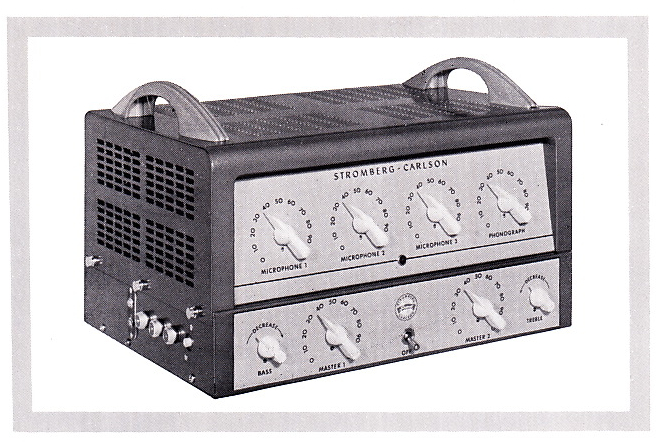
Above: The Stromberg-Carlson AU-35, the top of their mixing-amp range.  Interesting piece: it has two separate 25-watt 6L6 output stages, each driven by the same mix. Also touts ‘resistor board’ construction, which I imagine indicates a turret-board rather than terminal strips; even the RCA PA amps of this period uses terminal strips so this is certainly a notable feature in PA sound equipment of the period.
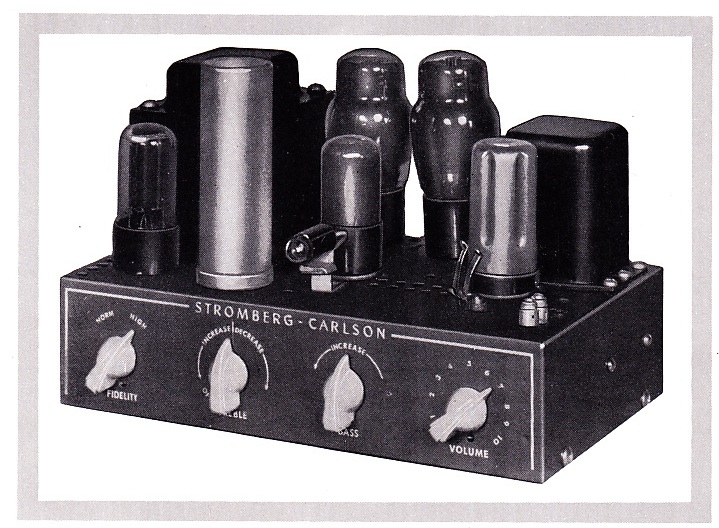
The AR-37 ‘record amplifier,’ a ten-watt amp with a variety of frequency-compensation features intended to adapt it to the various record response-curves prior to RIAA standardization.
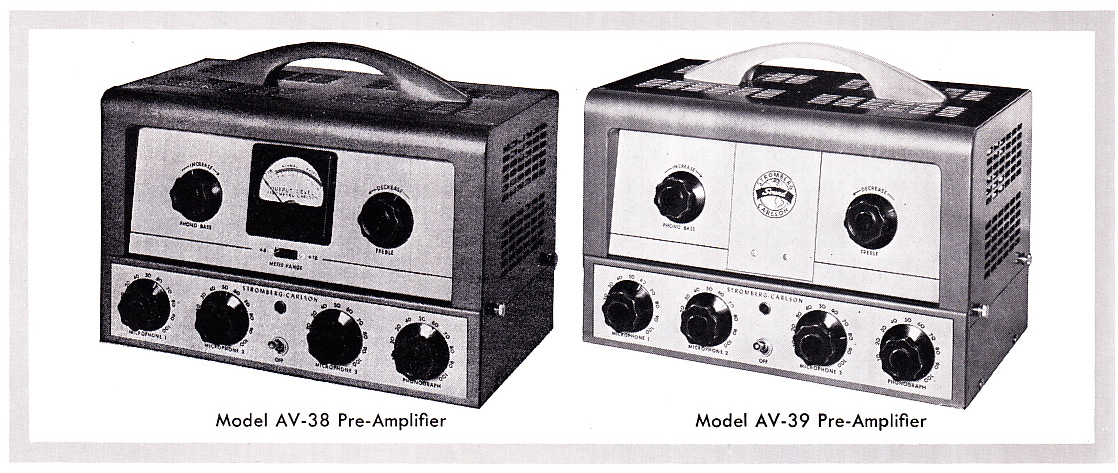
Above: the only Stromberg-Carlson piece that I have spent a (regrettable) span of time with, the AV-38 pre-amplifier.  Loaded with shielded RCA input transformers and a very nice Triad (IICRC…) output, it worked fine out-of-the-box and it was certainly worth the $200 that I paid for it.  But, despite replacing several of the 6SC7s, recapping, adding a choke, and removing some extraneous crap, I could never get it to be ‘studio-quiet.’  And it probably never was intended to be such.  Anyhow…it’s gone to a better place now.  The AV-39 lacked the input transformers and the meter; otherwise identical.
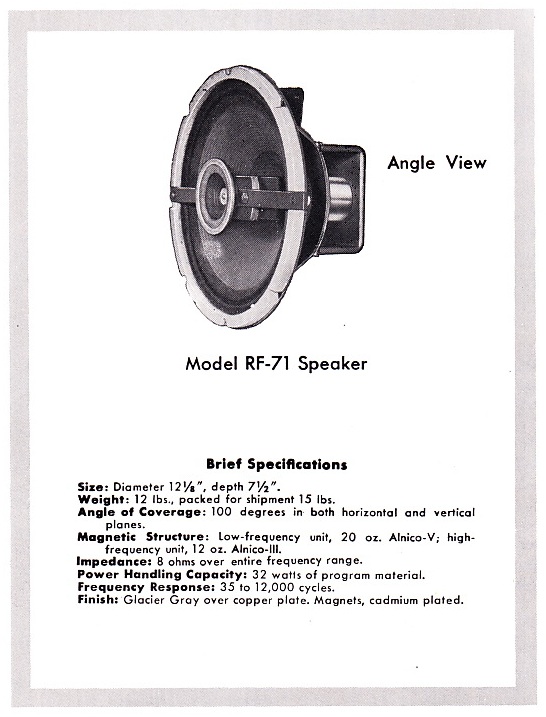
Above: the RF-71, SC’s top-end driver of the period.  At some point they made some more sophisticated units, including these guys… good god that price!
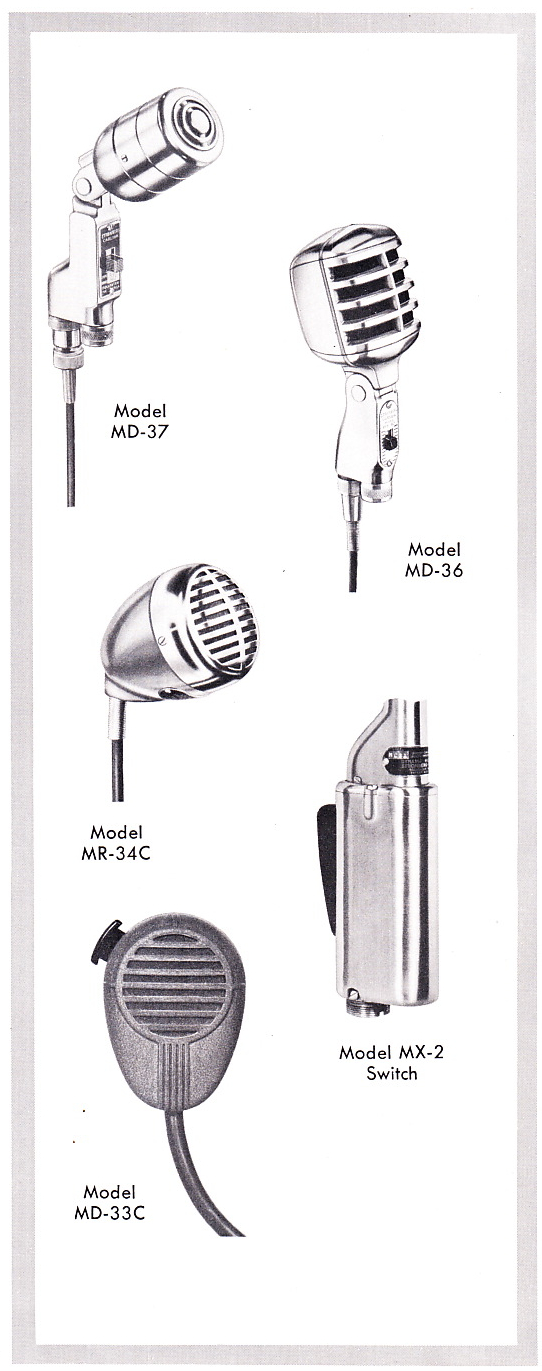
Stromberg Carlson didn’t manufacture microphones that I am aware of, but you can find a huge variety of SC-branded Shures, EVs, and Turners on eBay to-this-day. 

Categories
Mixtapes

Fall 2012 Mixtape

It was a good summer for records.  I happened upon a few excellent collections; one of highbrow folk rock circa 68 – 75, another from a fellow who must have emptied out the jukebox of an urban CT bar circa 1975.  Nothing but soul and funk 45s, 100s of ’em.    Add a few good weeks at the flea market, including one especially notable pile that apparently contained ONLY 70’s-soul-records-that-were-sampled-in-1990s-hiphop-hits and you get FALL 2012.  Six years into doing these mixtapes, a heavy emphasis on the period 1970 – 72 remains.   If you see me, ask me for a CD copy…

1. ‘Between Today And Yesterday’ Alan Price.  From the LP “Between Today And Yesterday,” Warner Brothers 1974.

2. ‘Coming into Los Angeles’ Arlo Guthrie.  From the Warner/Reprise compilation LP “The Big Ball” 1970.

3. ‘Let It Rain’ Eric Clapton. From S/T LP, RSO 1970.

4. ‘You’ve Got To Do It All Yourself’ Jackie Lomax.  From the LP ‘Three,’ Warner Brothers 1972.

5. ‘Helpless’ Buffy Saint Marie.  From “She Used To Want To Be A Ballerina,” Vanguard 1971.

6. ‘I’ll Tell You No Lie’ Nicky James.  From the S/T LP, Threshold/London 1972.

7. ‘You Can Close Your Eyes’ Kate Taylor. From “Sister Kate,” Cotillion 1971.

8. ‘One Sure Thing’ Bonnie Koloc. From “After All This Time,” Ovation INC 1971.

9. ‘Take A Look Around’ The Temptations. Gordy/Motown 7″ Single 1971.

10. ‘The Longer We Stay Together’ Al Wilson. From “La La Peace Song,” Rocky Road/BELL 1974.

11. ‘Always Together’ Jackie DeShannon.  Imperial 7″ single 1969.

12. ‘Rock Your Baby’ George McCrae. T.K. Records 7″ Single, 1974.

13. ‘I Can’t Get Over You’ The Dramatics. ABC Records 7″ Single 1976.

14. ‘When Something Is Wrong With My Baby’ Sam & Dave.  Stax 7″ single 1967.

15. ‘A Raga Called Pat’ John Fahey.  From the LP “The Voice Of The Turtle,” Takoma 1968.

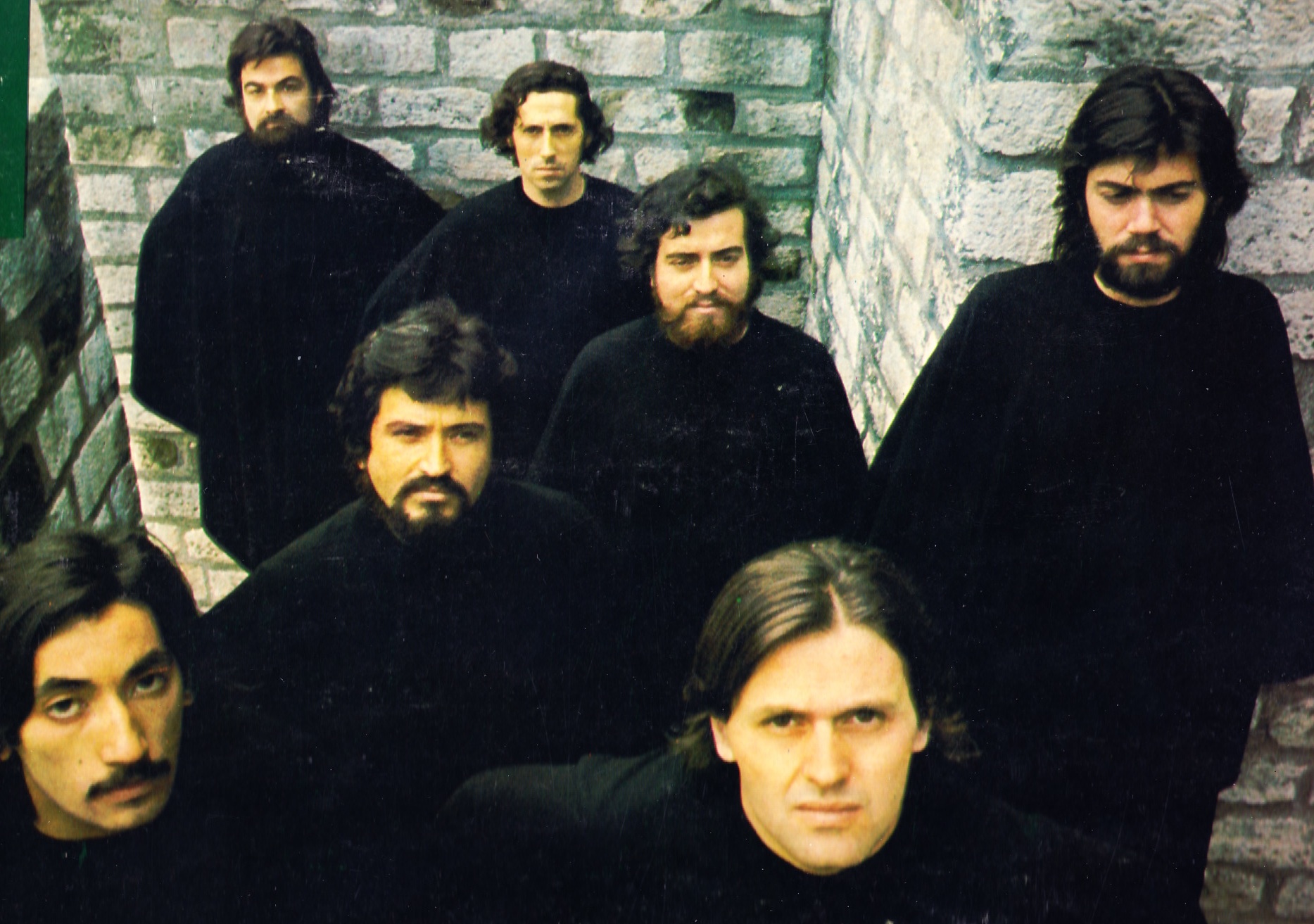
16. ‘Elegia De Che Guevera’ Quilapayun. From S/T LP, Monitor Records c. 1970.

17. ‘Darling Be Home Soon’ The Loving Spoonful.   Kama Sutra 7″ single.  From the Motion Picture “You’re a Big Boy Now” 1967.

18. ‘Diamond Meadows’ T-Rex. From S/T LP, Reprise 1971.

19. ‘Rock And Roll Love Letter’ Tim Moore.  From “Behind The Eyes,” Elektra 1975.

20. ‘Another Day Like Heaven’ The Flame.  S/T LP, Fallout Re-issue.  Originally on Brother Records 1970.

For detailed track notes, links, and more of the best album art of all time, click the link below…

Categories
Uncategorized

Absurd Vintage Hi Fi Website

Good fkkng god.  3,300 original hi-fi catalogs and datasheets scanned (in good quality), cataloged, and uploaded.  Get ready to be 10% less productive for the next two months.  The vintage knob dot org.  Well done sir.

Categories
Synthesizers

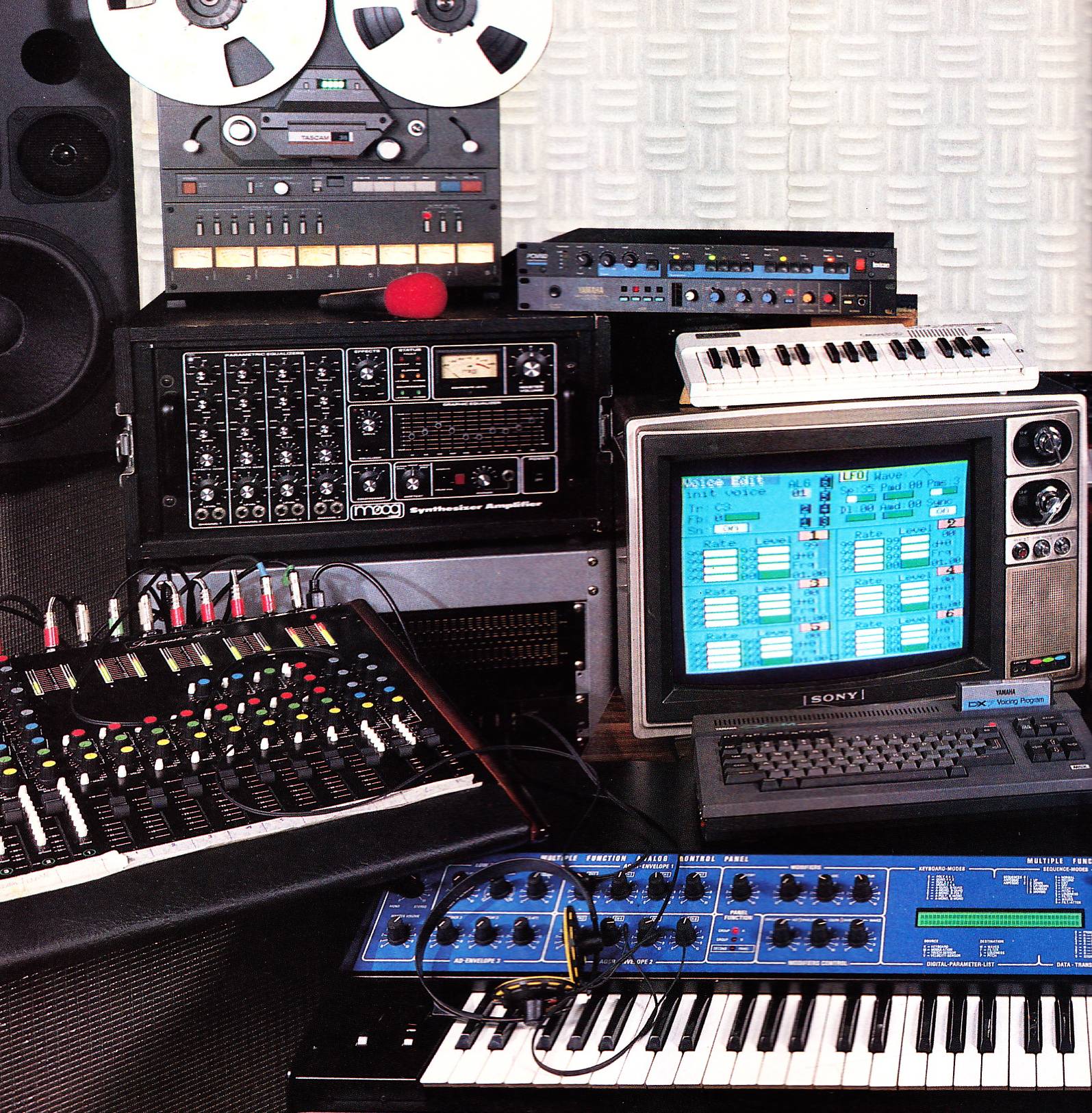
1985: I am the KeyBro

There’s this new thing called MIDI.

I am no longer One-Man

I am now an Army Of Sounds, all tied together with five-pin DIN cables

I am the KeyBro

*************

*******

***

Can you recall your earliest impressions of MIDI?

The first time you hit ‘play’ on a sequencer and heard multiple lines pouring out of different instruments, quickly and easily edited to perfection?

The first moment, years later, when you had that same fresh experience with audio (rather than just with Data) (via DAWs)?

What’s next?

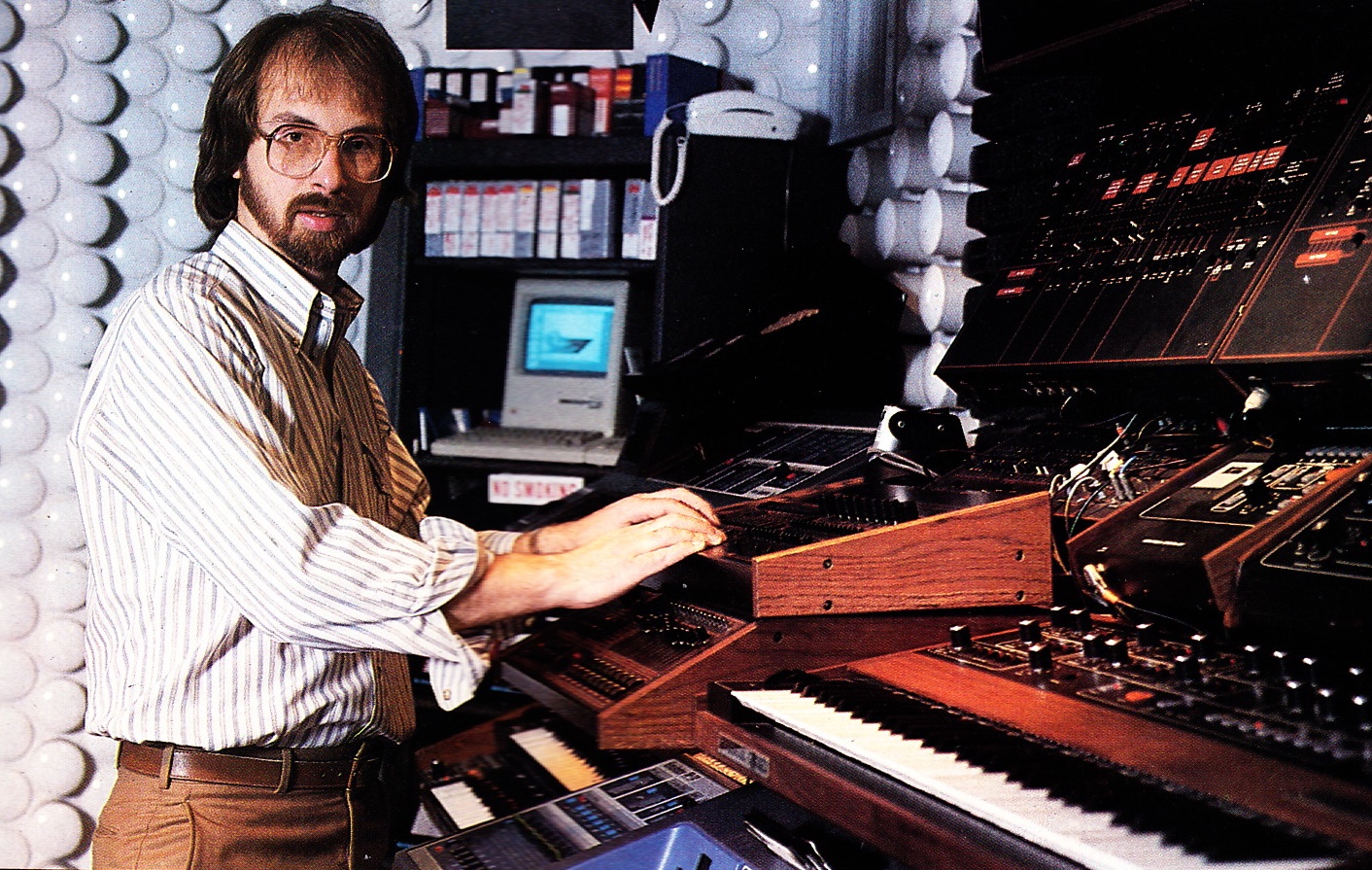
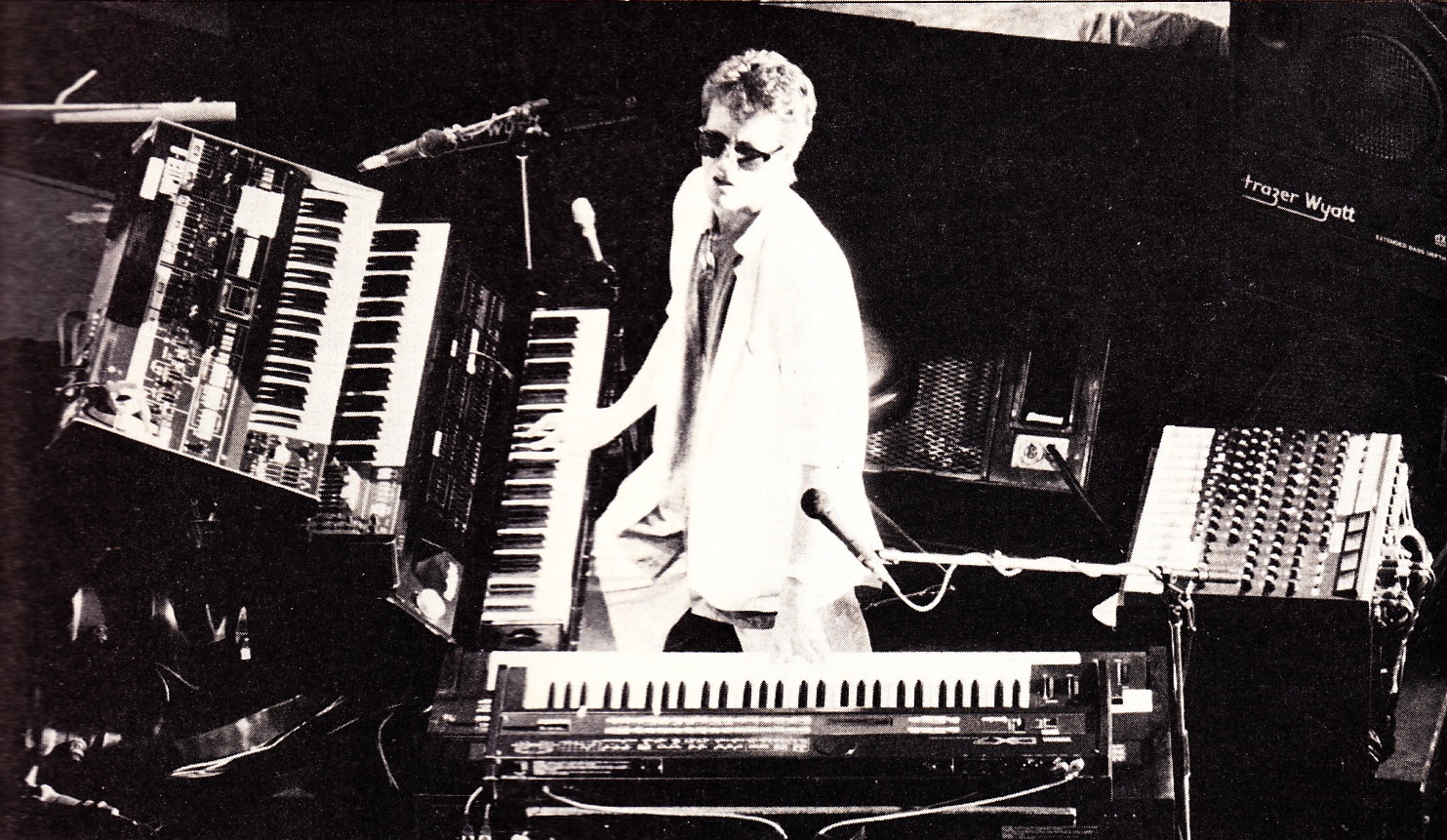
Above: Alan Howarth, Guy Fletcher, unknown KeyModel

Categories
Synthesizers

Keys Break: 1980

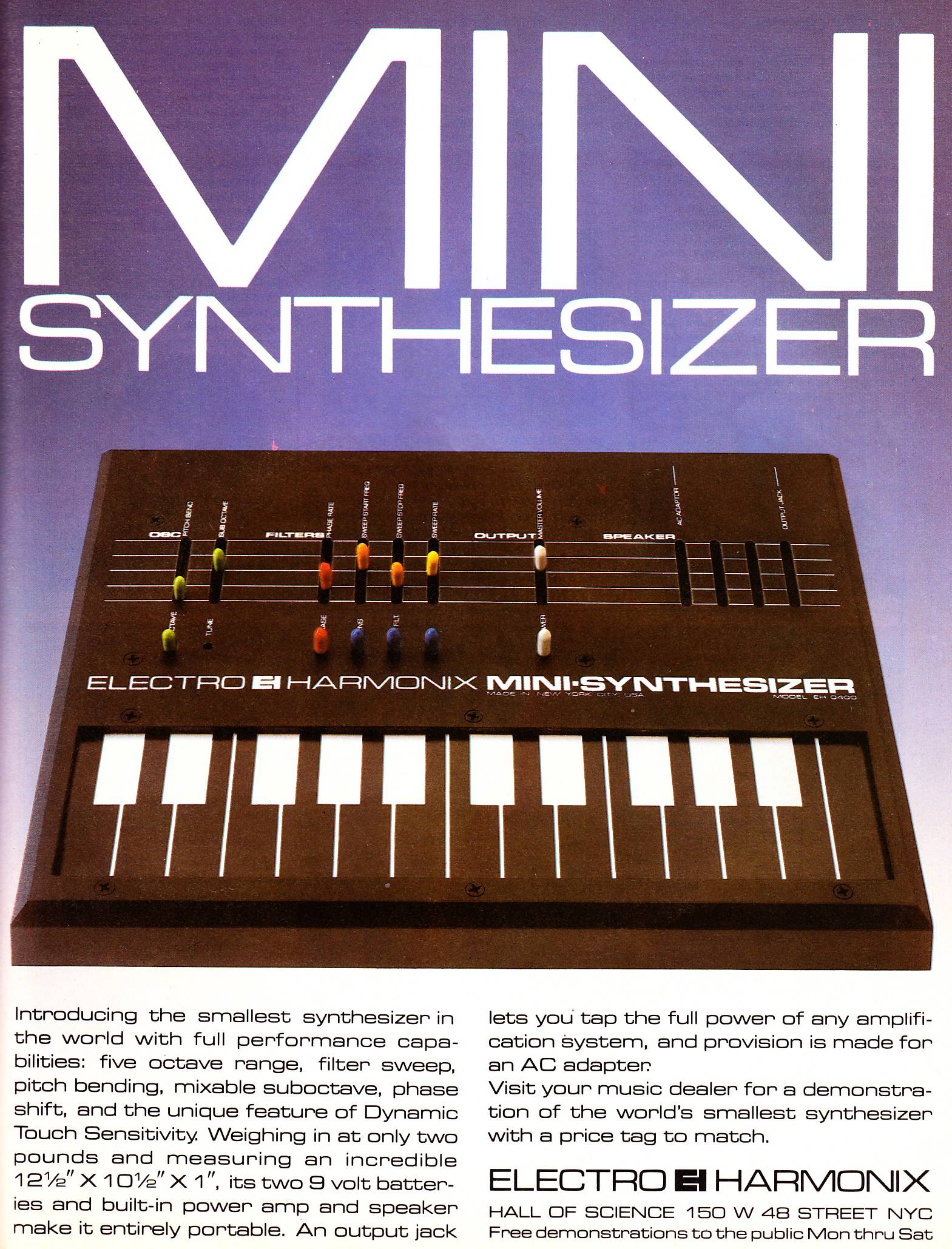
Today: a quick look at some forgotten synths+keys from circa 1980 A.D.  Above: the Electro-Harmonix Mini Synth, a pretty cool little piece.  Incredibly, it has a touch-sensitive keyboard.  Other period entries in the mini-analog-monosynth field included my beloved Yamaha CS-01 and ???

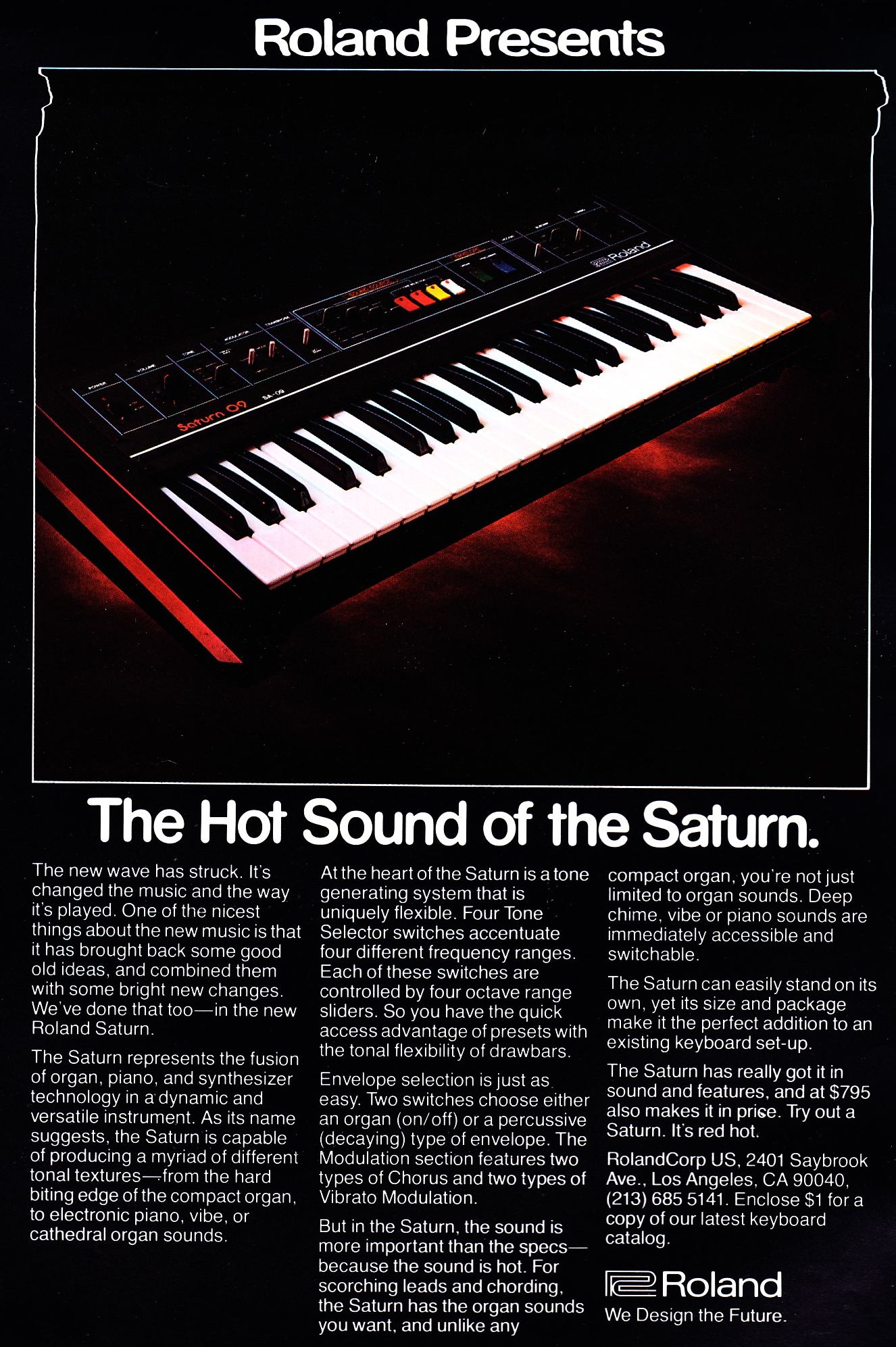
Above: Roland’s Saturn, a hopped up organ similar to the RS-09.  Read the advert text for Roland’s suggestion that the Saturn’s sound corresponds to the aesthetic values of New Wave (i.e., trad rock + the new ‘punk’ sounds = New Wave, demanding a combo organ with… something extra….).

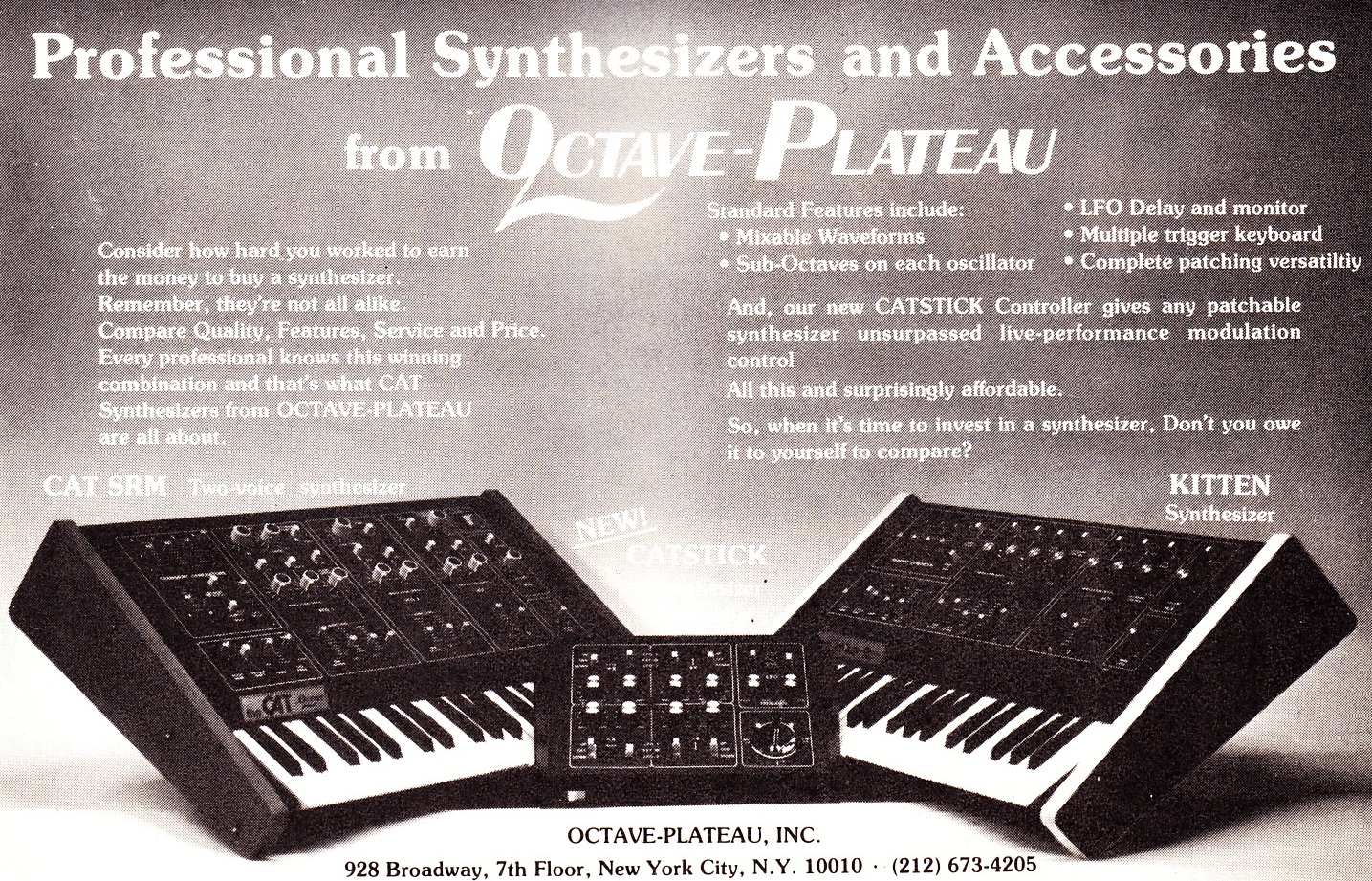
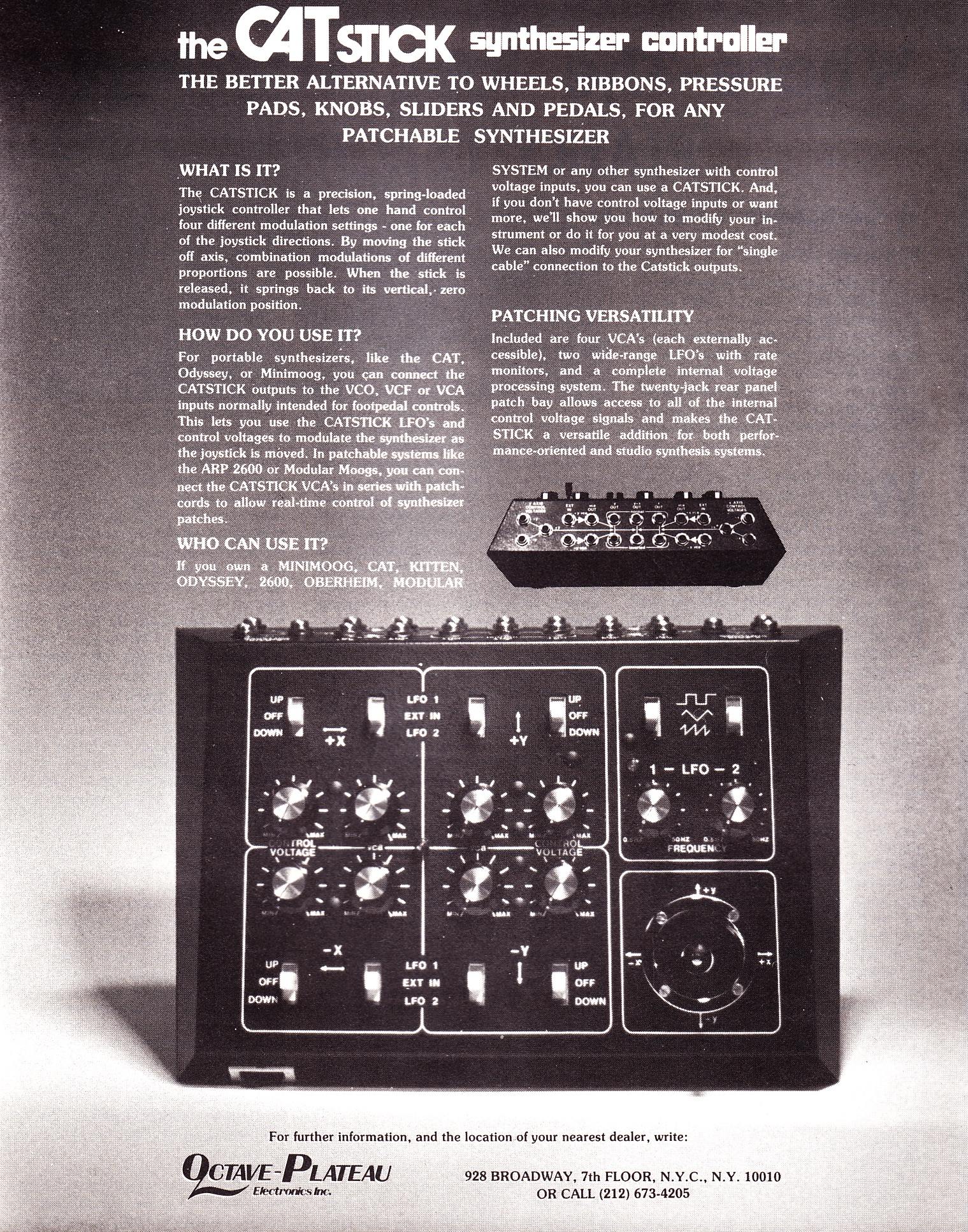
Octave-Plateau’s CAT and KITTEN synthesizers. But what’s that lil’ box in the center?

Why it’s the CAT STICK, a four-source modulation generator.  Pretty good, pretty neat…

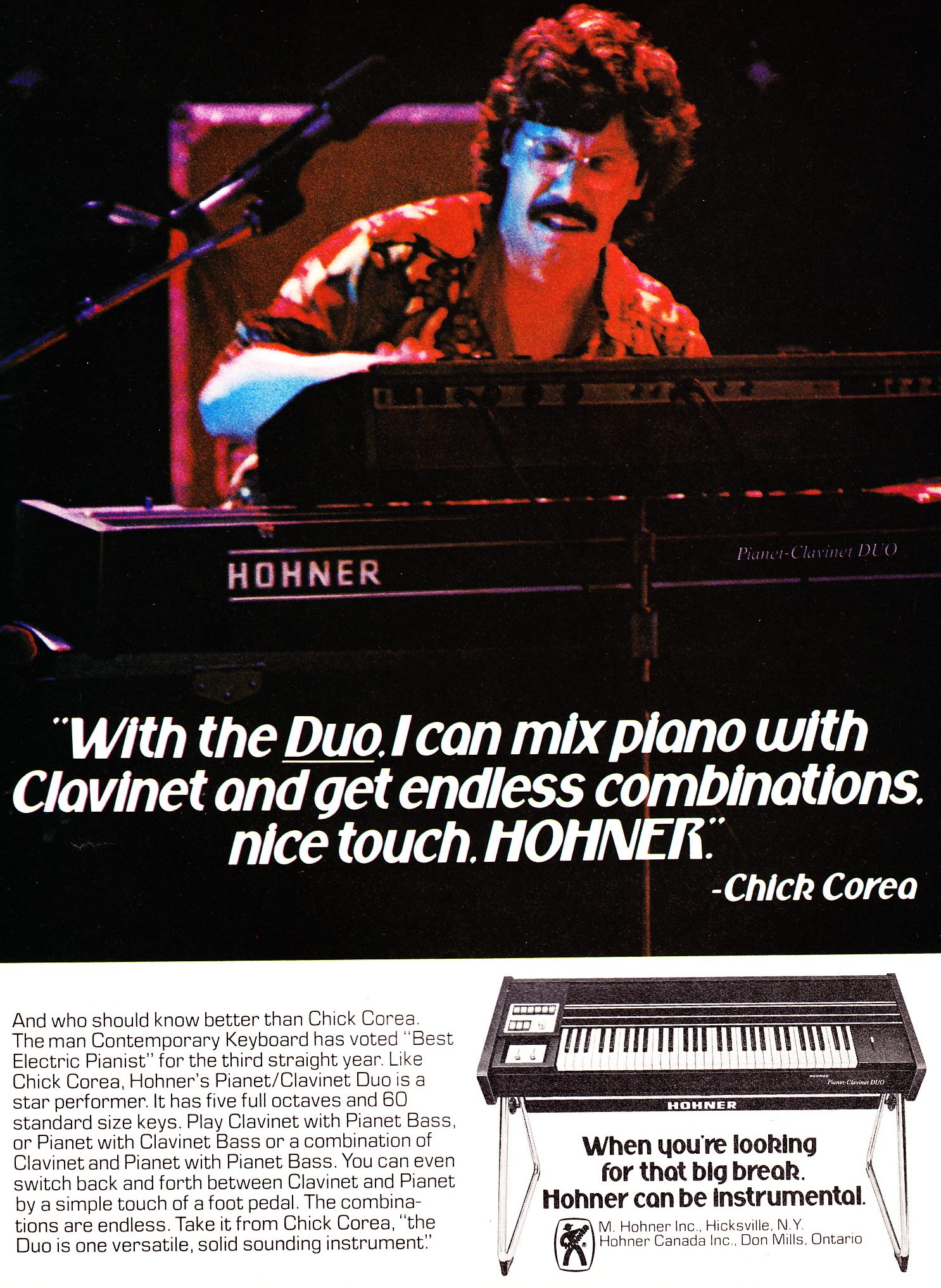
Above: the Hohner Duo, a large mechanical nightmare that comprises a complete Clavinet and a complete Pianet in One-Handy-Keyboard.  We have a fully-restored Duo at Gold Coast Recorders and it makes the occasional appearance on tracks. Coolest unexpected feature: keyboard split!

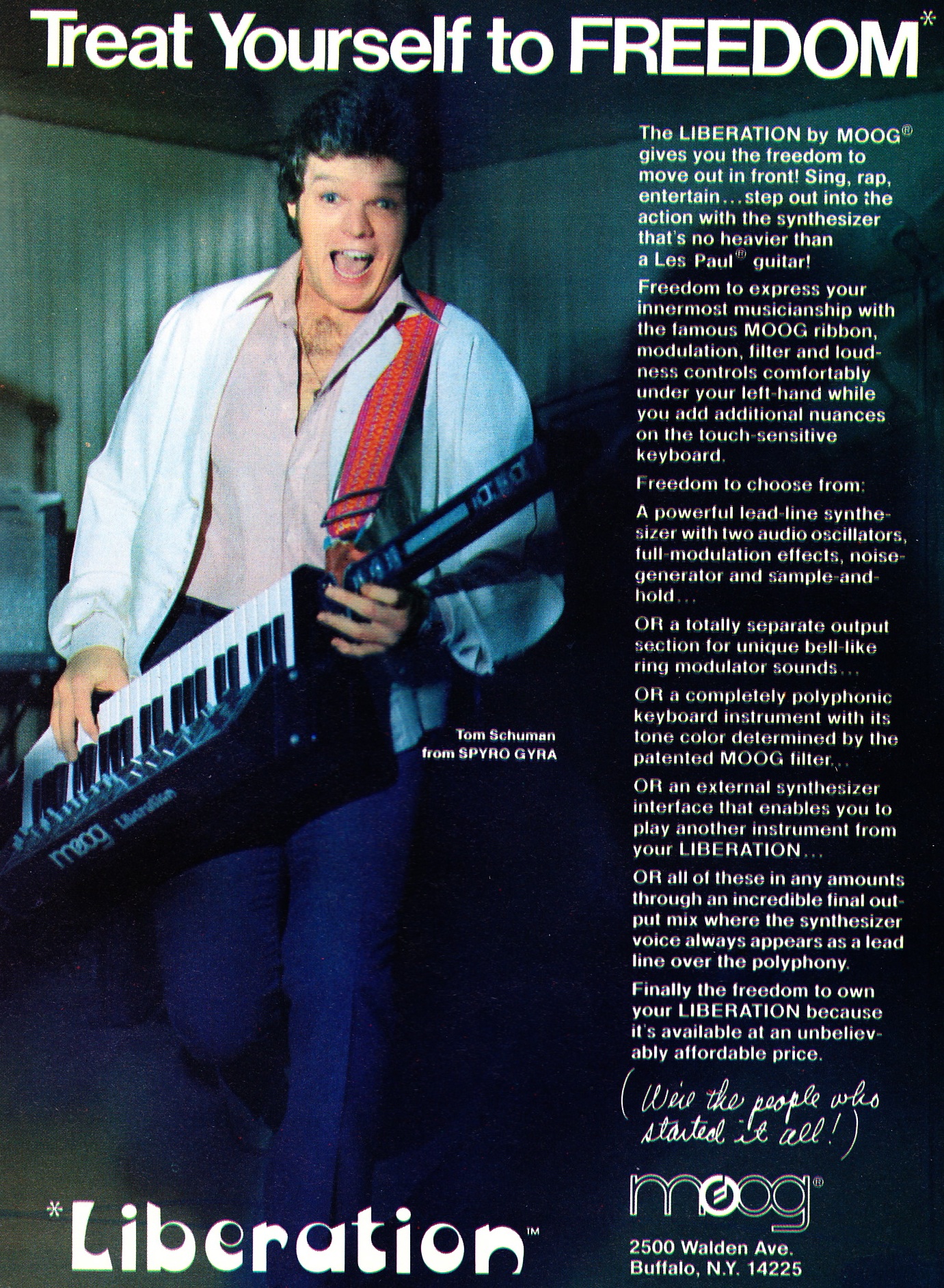
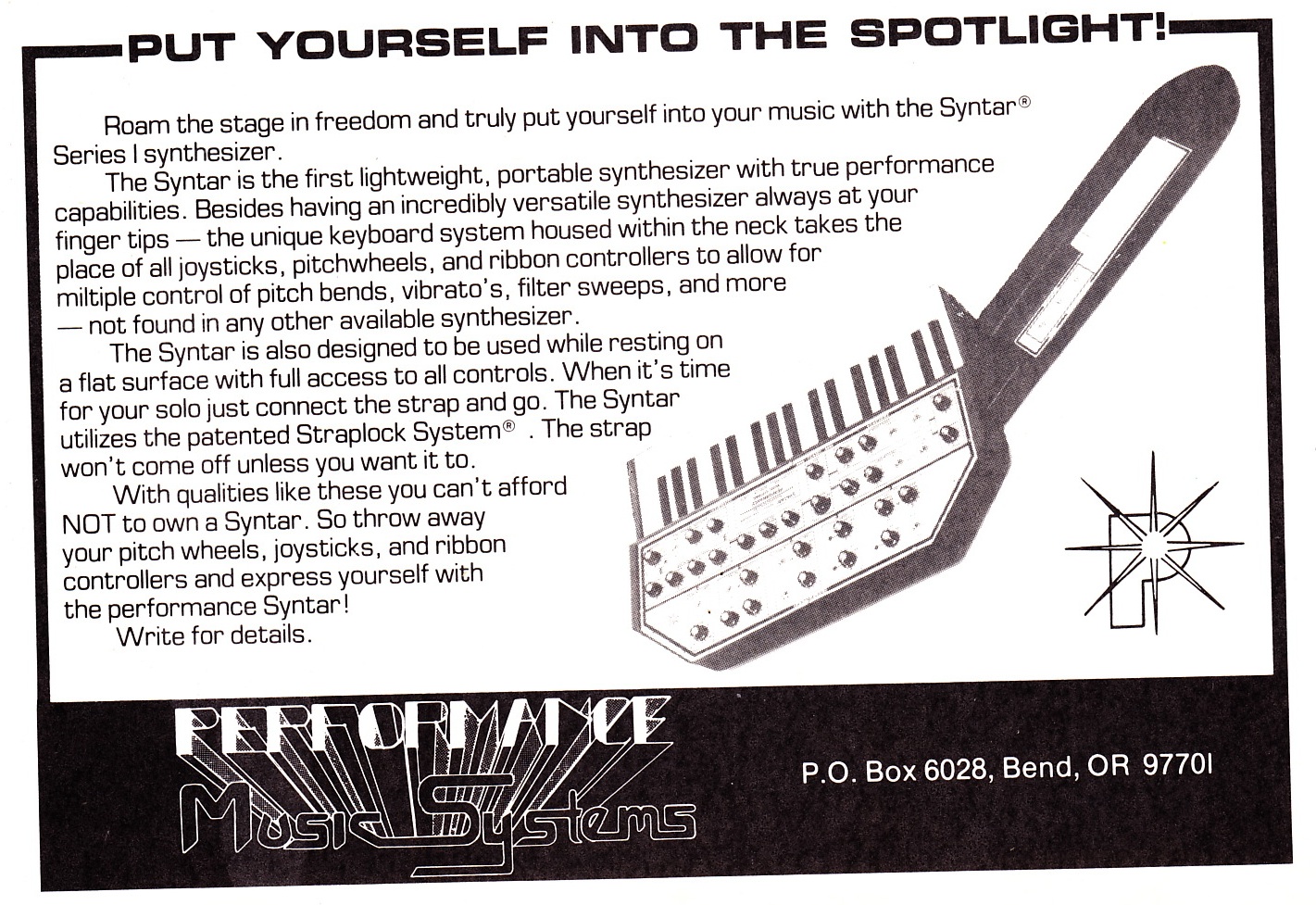
Above: the Moog Liberation and Performance Music System’s SYNTAR, early Keytar instruments.  Nice Spyro Gyra appearance.


Categories
Uncategorized

Without a doubt the stupidest fkkng thing i have ever posted

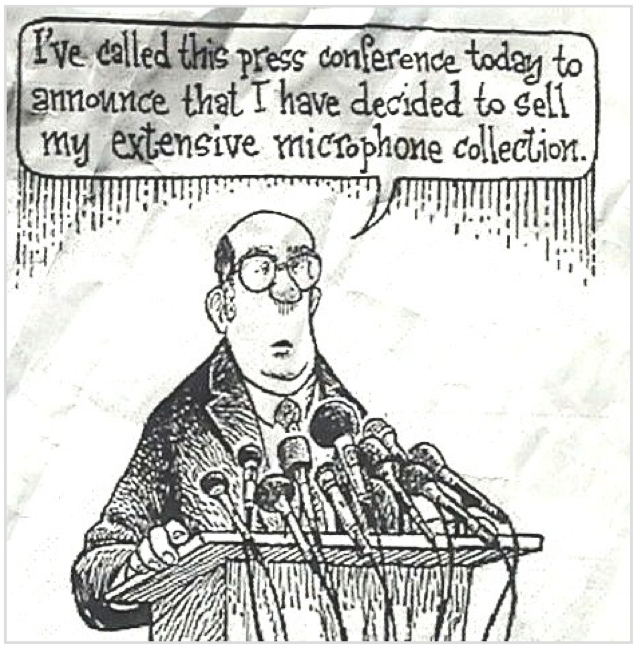
…but try to tell me you didn’t laugh. Courtesy of this eBay auction. New actual PS dot com content coming shortly, i promise.

Categories
Early Electronic Music

Max Neuhaus, Electronic Music Pioneer

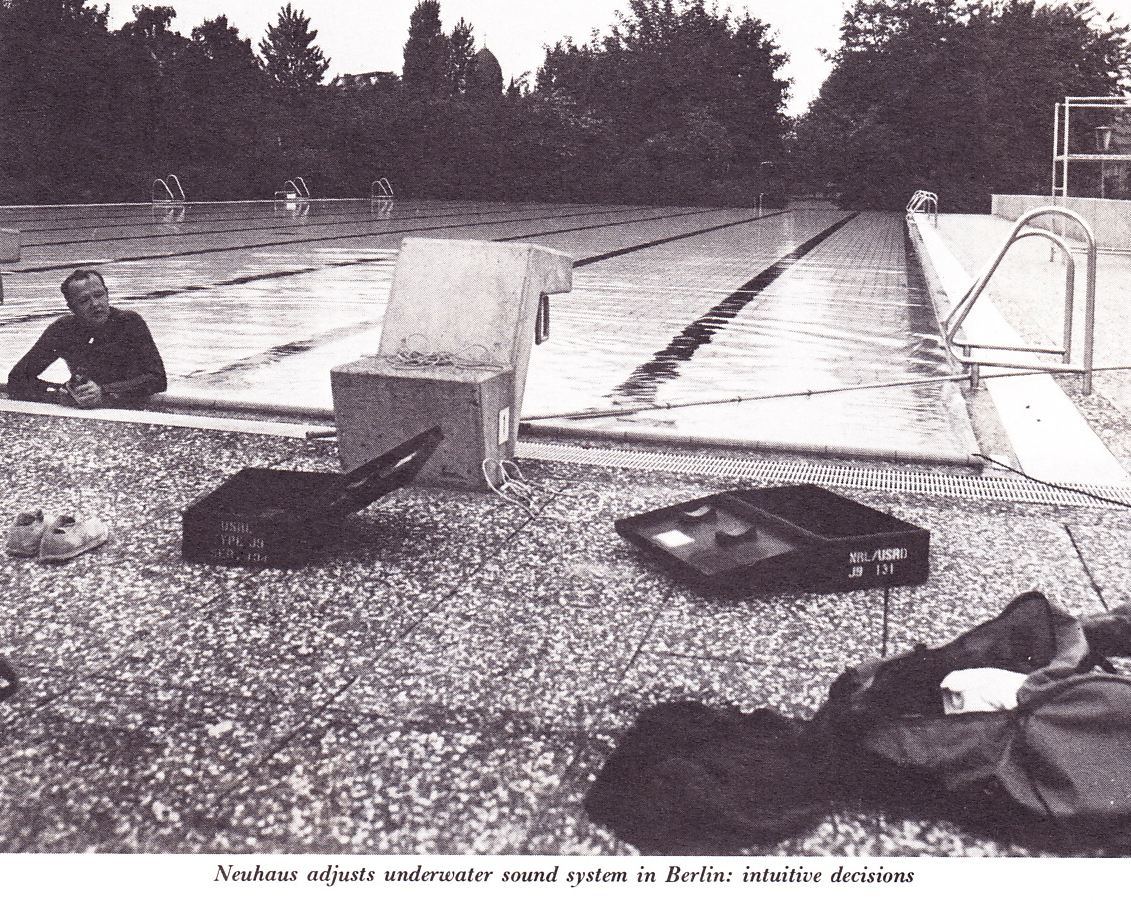
Above: Neuhaus at work on an aquatic sound installation

Download a three-page article by Joan LaBarbara on the 1970’s work of sound-installation artist Max Neuhaus, originally published in High Fidelity, 10.77:

DOWNLOAD: MaxNeuhaus_HighFidelity_Oct1977

Apologies for the less-than-stellar scan quality.  Neuhaus created some incredible pieces in his time, pieces that attempted to use sound to expand spatial experience in unexpected ways.  He is very much the forefather to such contemporary artists as Janet Cardiff.  As LaBarbara (herself an experimental composer) sagely writes, “Neuhaus’ works focus on that most important function of the composer in society, of retraining ears and minds…”

Categories
Antique Hi-Fi Archive

Forgotten Formats: The Elcaset

Here’s the thing about experimental anything.  Experimental music, experimental writing, experimental technology: if it really, truly is experimental, that means it very well might fail.  This is a necessary condition of experimentation.  More than any other technology company, SONY is known as much for their failures as their successes.  Not failures in a technical/engineering sense, but market failures.  The fact that SONY has survived through so may famous failures is testament both to the intense brilliance of their successful experiments (Trinitron, The Walkman, the Compact Disc) as well as the depth of their commitment to innovation.  Times are not good for SONY right now; the marquee position that they once held has largely been usurped by Apple and Samsung.  But don’t believe that a comeback is impossible.

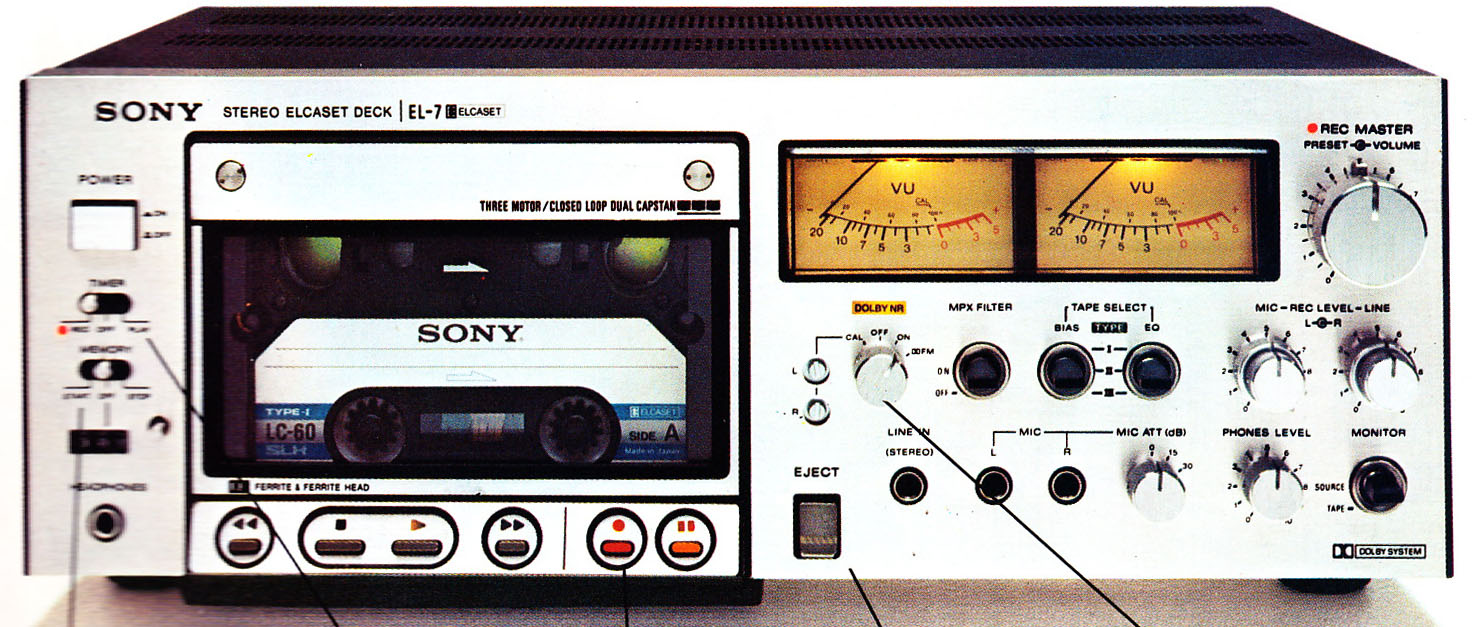
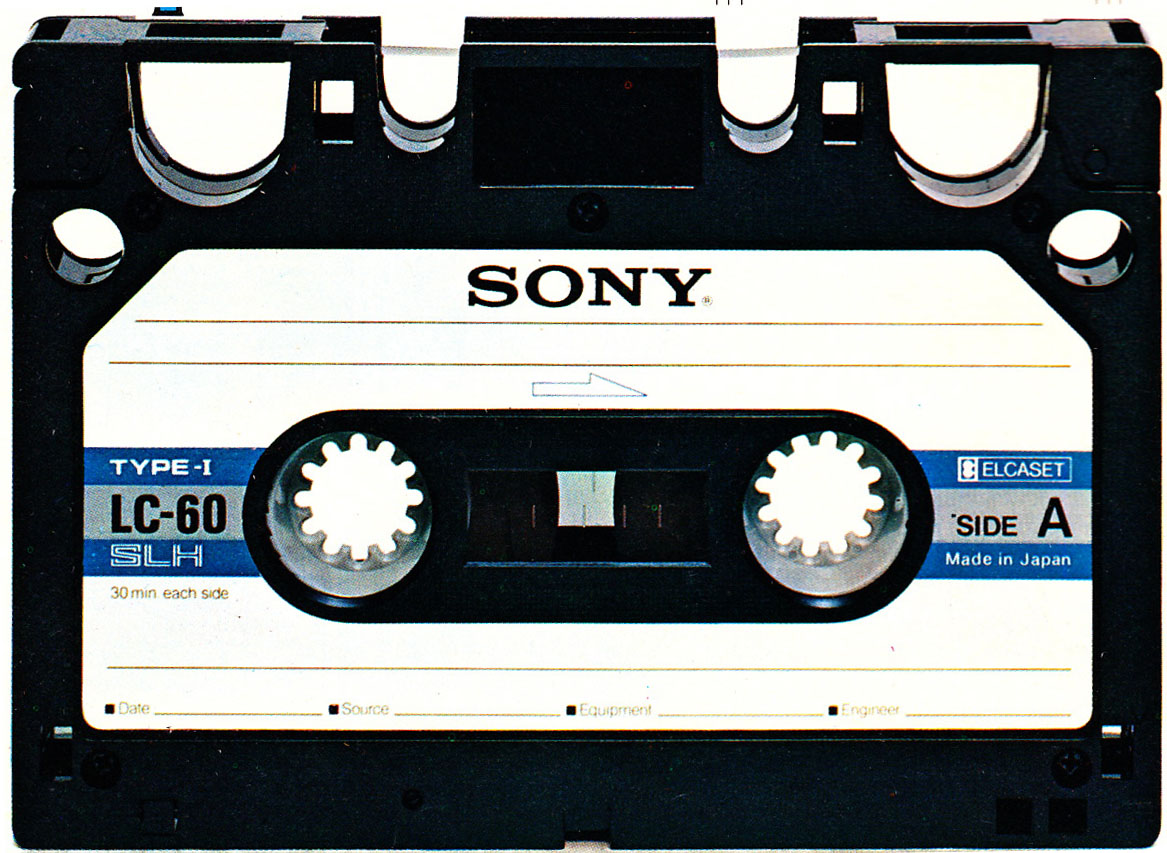
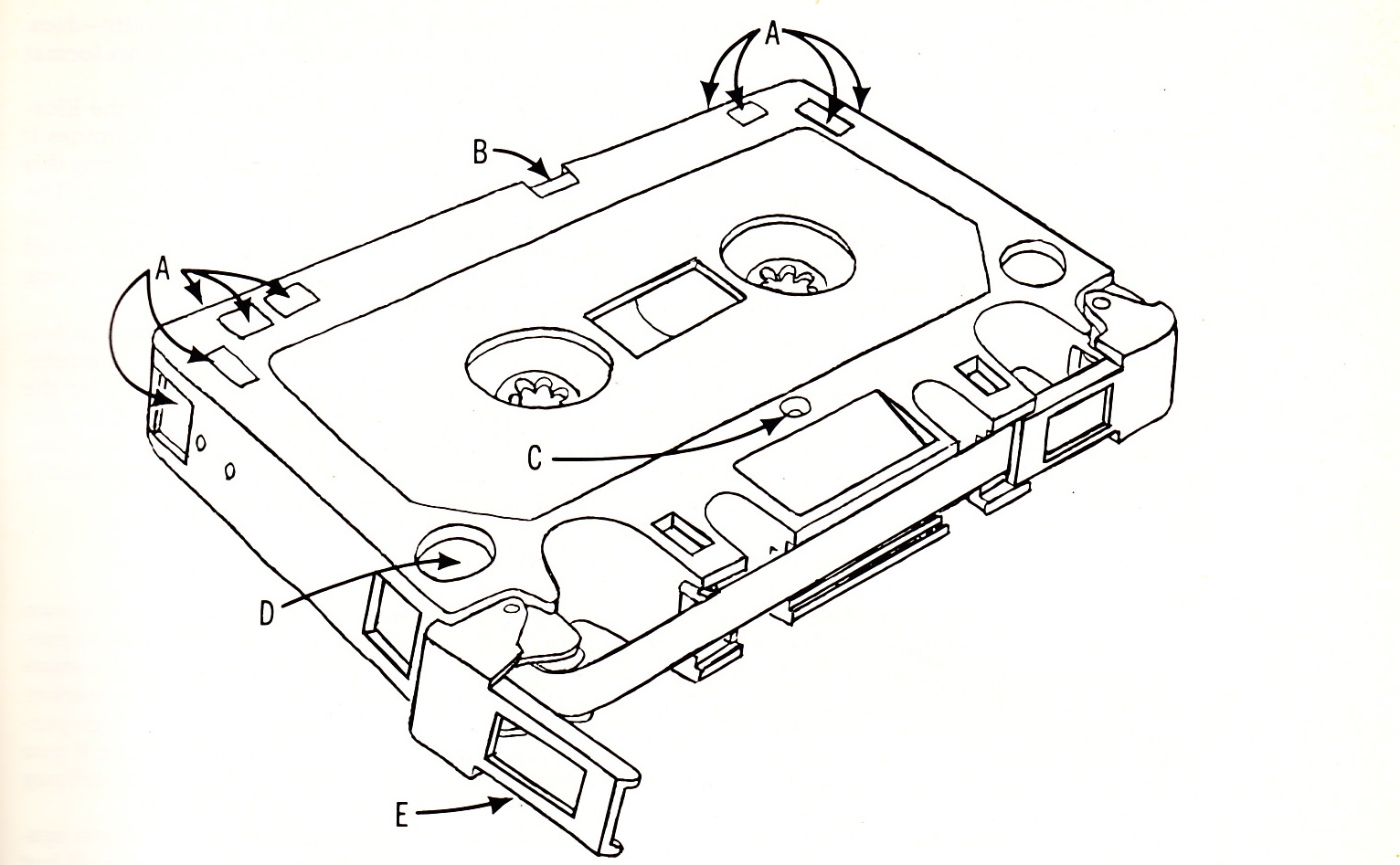
The Elcaset was a SONY-driven consumer analog tape format introduced in 1977  (TEAC, Technics, and JVC also marketed compatible decks).  Essentially, Elcaset was a large cassette tape (approx. the size of a Beta) that used 1/4″ (rather than 1/8″) tape, plus it ran at 3.5 (rather than 1.75) IPS and used VCR-like extra-shell tape handling.  The hope was to offer the performance of open-reel tape machines with the convenience of the compact cassette.  You can read a quick description of the technology at this link.  For a much more detailed account, I have scanned a three-page article from HIGH FIDELITY, 2.77, by one Larry Zide.  Zide provides detailed analysis of the technology and also offers his personal guess as to its market viability.

DOWNLOAD ZIDE’S ARTICLE: Elcaset_Feb1977

Even if you’ve never heard of Elcaset, I think you can probably guess how it fared in the marketplace: miserably.  Making this chapter in SONY history little more than a tragic harbinger of the coming Betamax fiasco.  But then what happened to all of those thousands of unsold Elcaset machines and pieces of tape stock?  Why do they rarely turn up for sale?  If you’re Finnish, you already know the answer.  Very bizarre.

If you want to learn way, way more about Elcaset, just click here…

Categories
Antique Hi-Fi Archive

Visual Culture: the late 1970’s

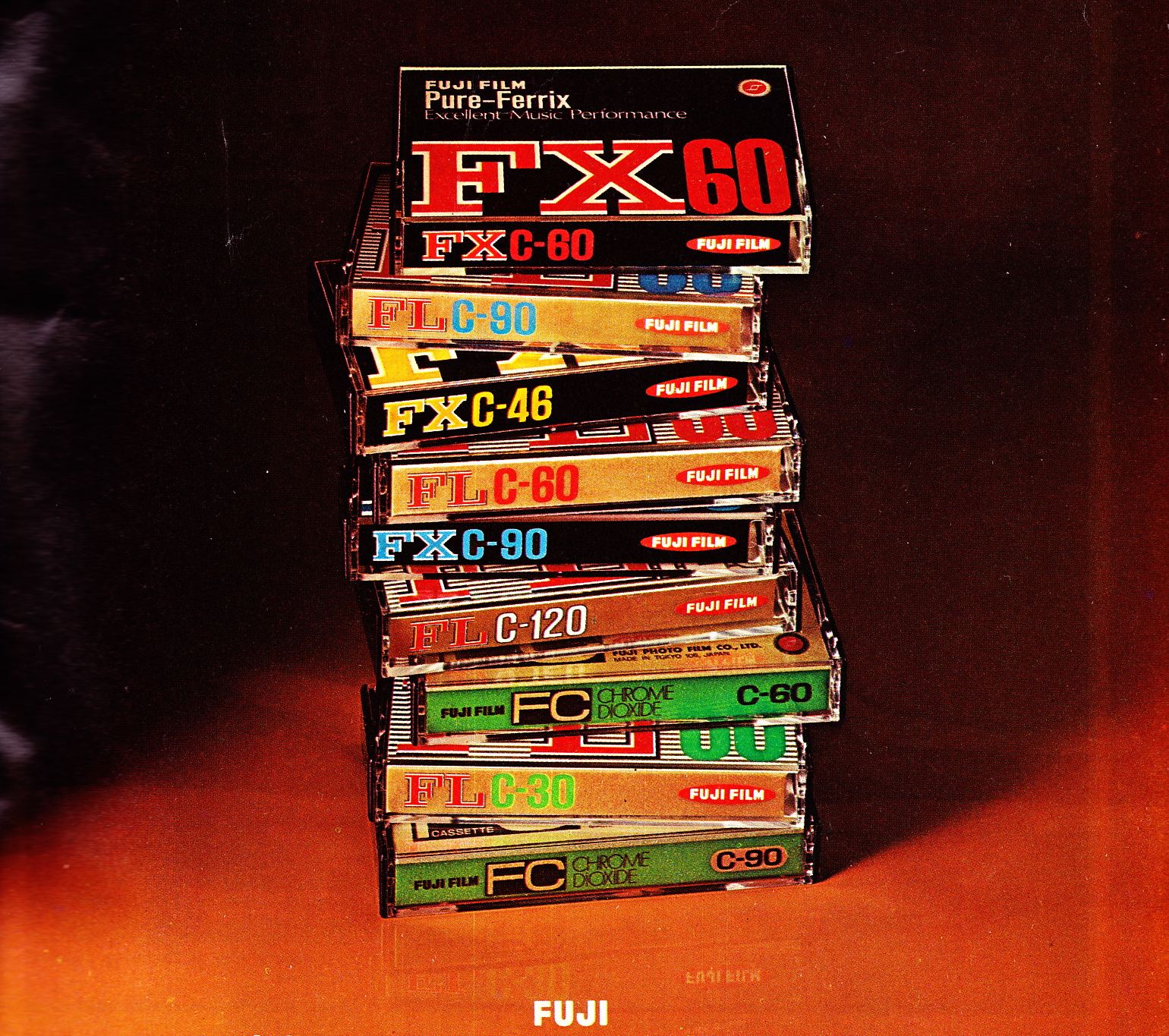
Today on PS dot com: a quick survey of some wonderful Hi-Fi visuals circa 1977.  Above: Fuji blank cassette media.  My latest embarrassing collecting habit: dead stock unopened blank cassette tapes. Because why not.  Report to follow.

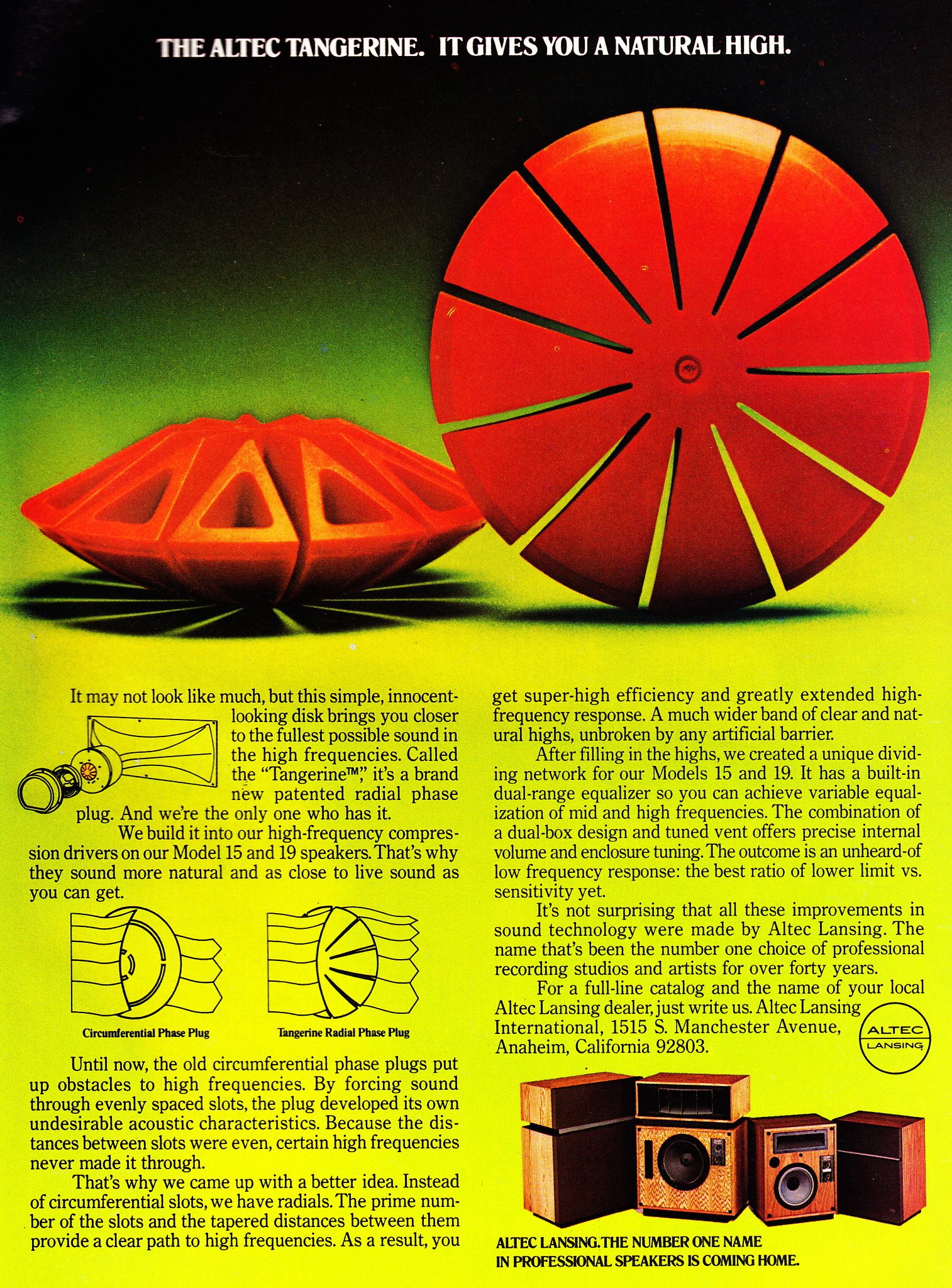
Altec Model 15 and Model 19 loudspeakers

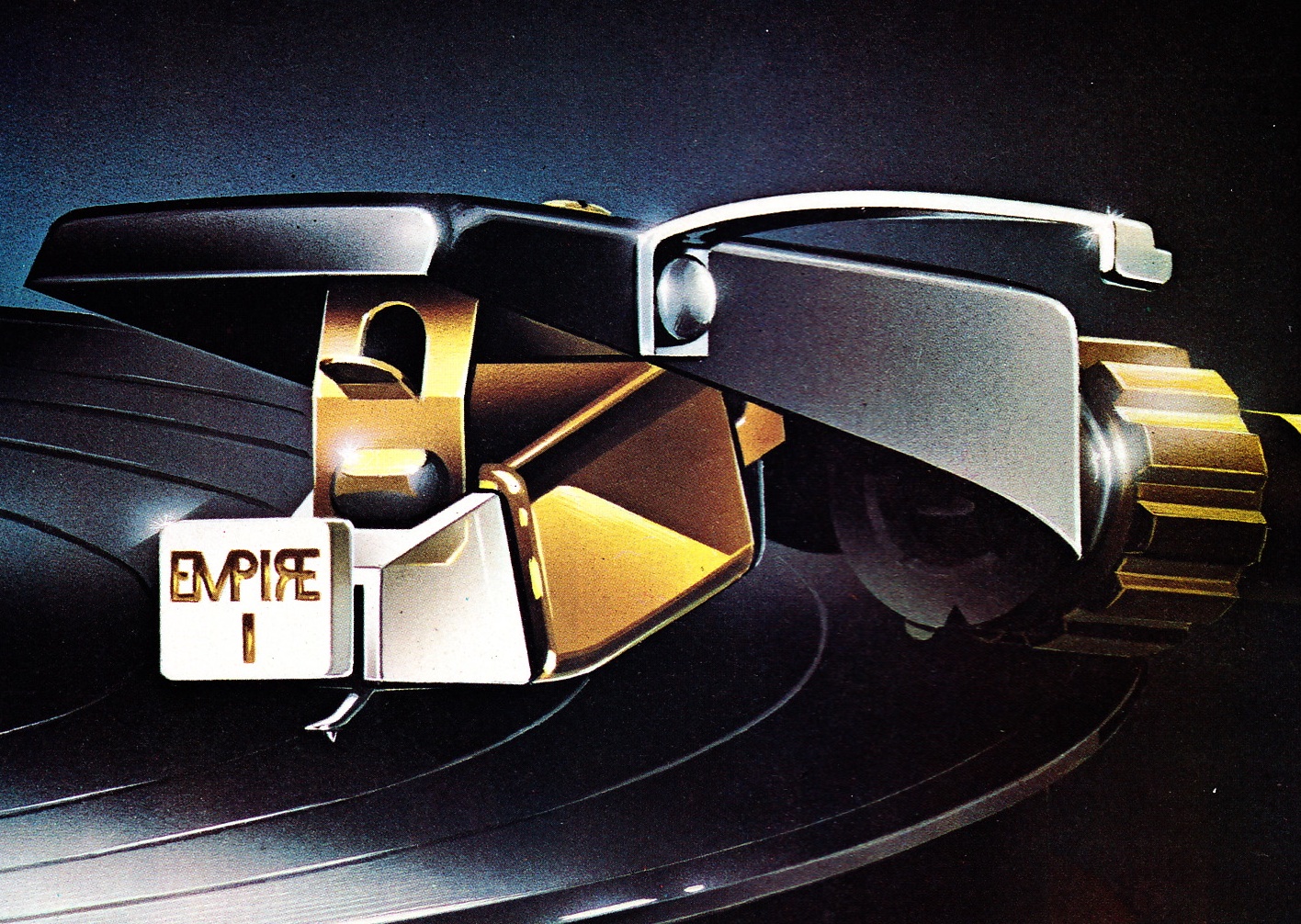
Empire Phono Cartridge

Hitachi metal-cone speaker drivers. Who knew?

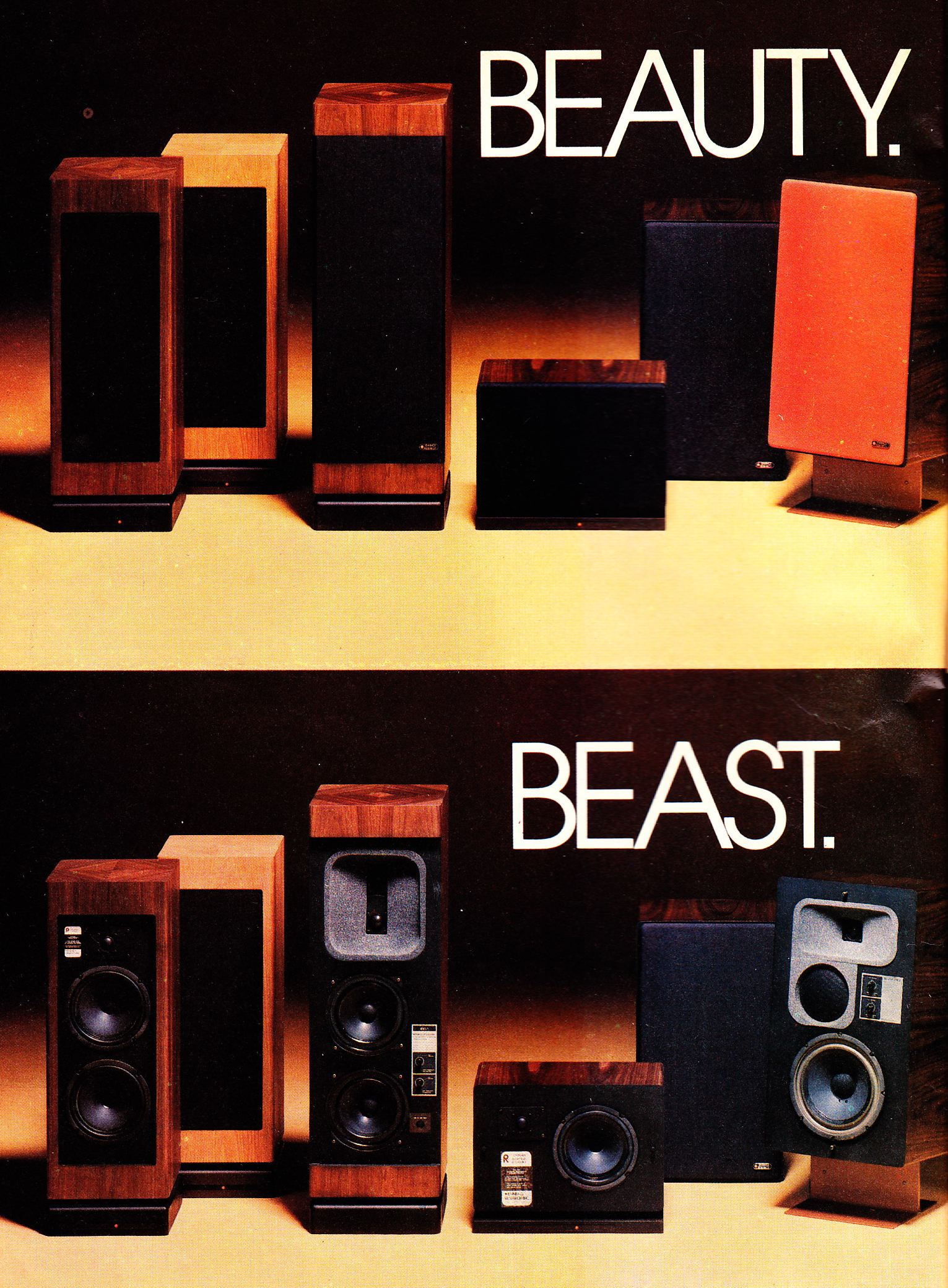
Jennings-brand Hi Fi speaker systems

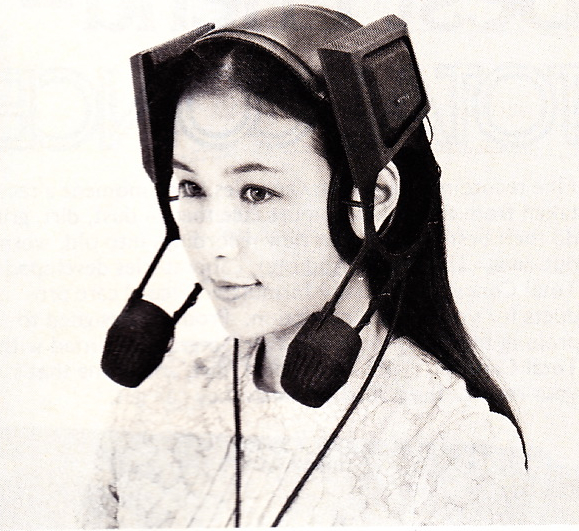
Experimental binaural headphone system by JVC.  500-cycle crossover point; highs originate in front of the face, lows from above the ears.

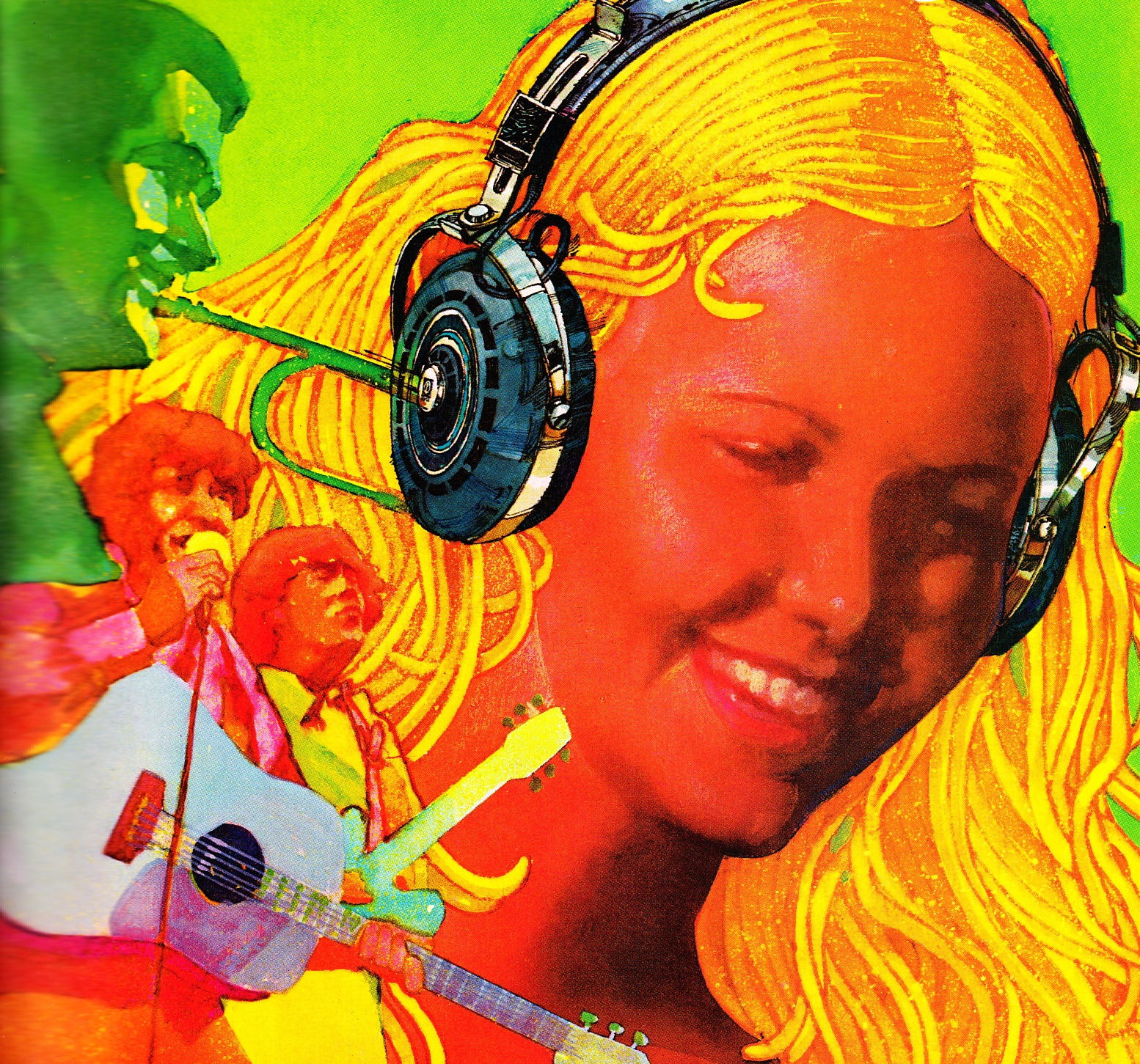
Above: KOSS headphones, for both pop/rock and classics

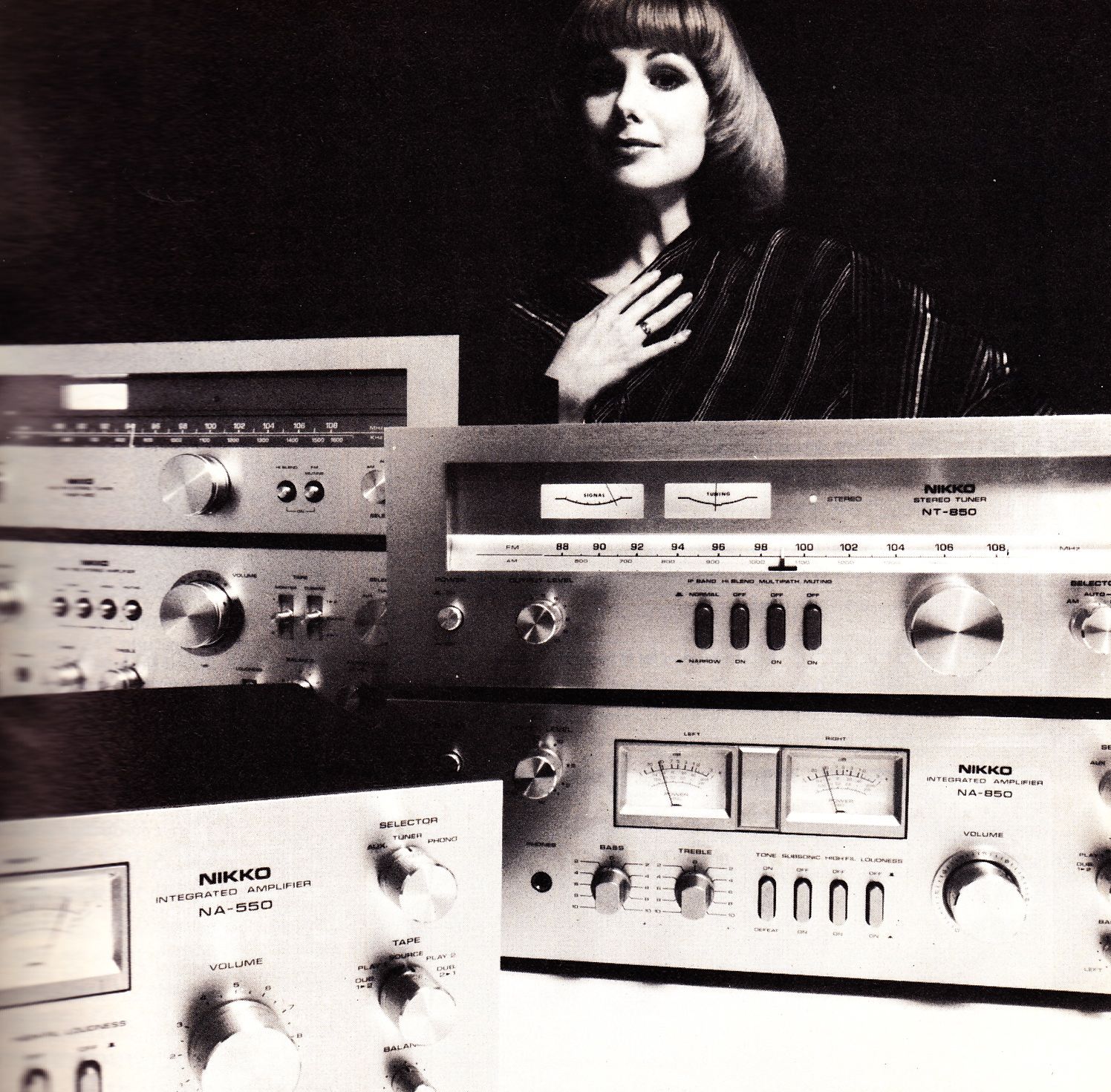
NIKKO Hi-Fi components

Categories
Early Electronic Music

Great Ladies of Electronic Music: Rosalyn Tureck

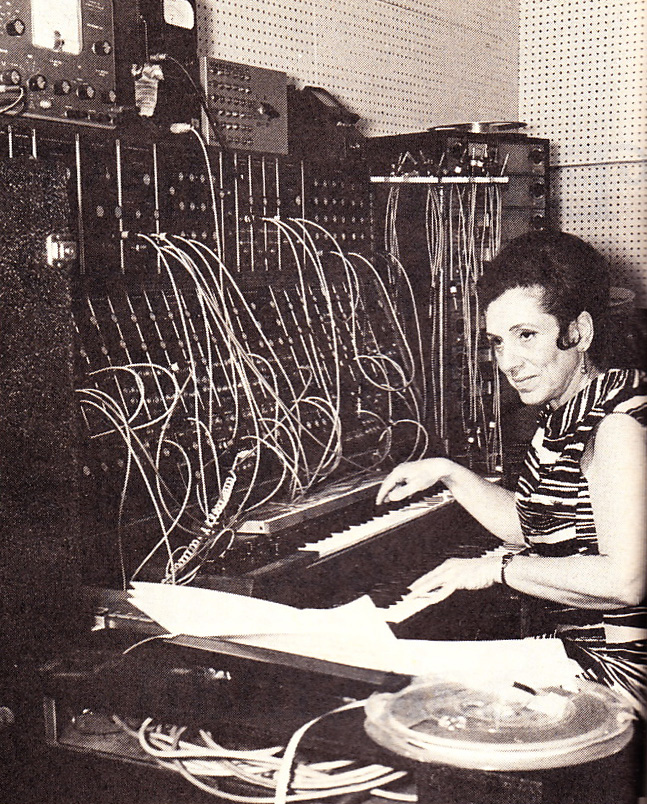
Bach Expert Rosalyn Tureck at-work at the Moog Modular circa 1977.  Tureck was a student of Leon Theremin and made her Carnegie Hall debut playing the primitive electronic instrument of his name.  (Image: High Fidelity Magazine, 10.77)