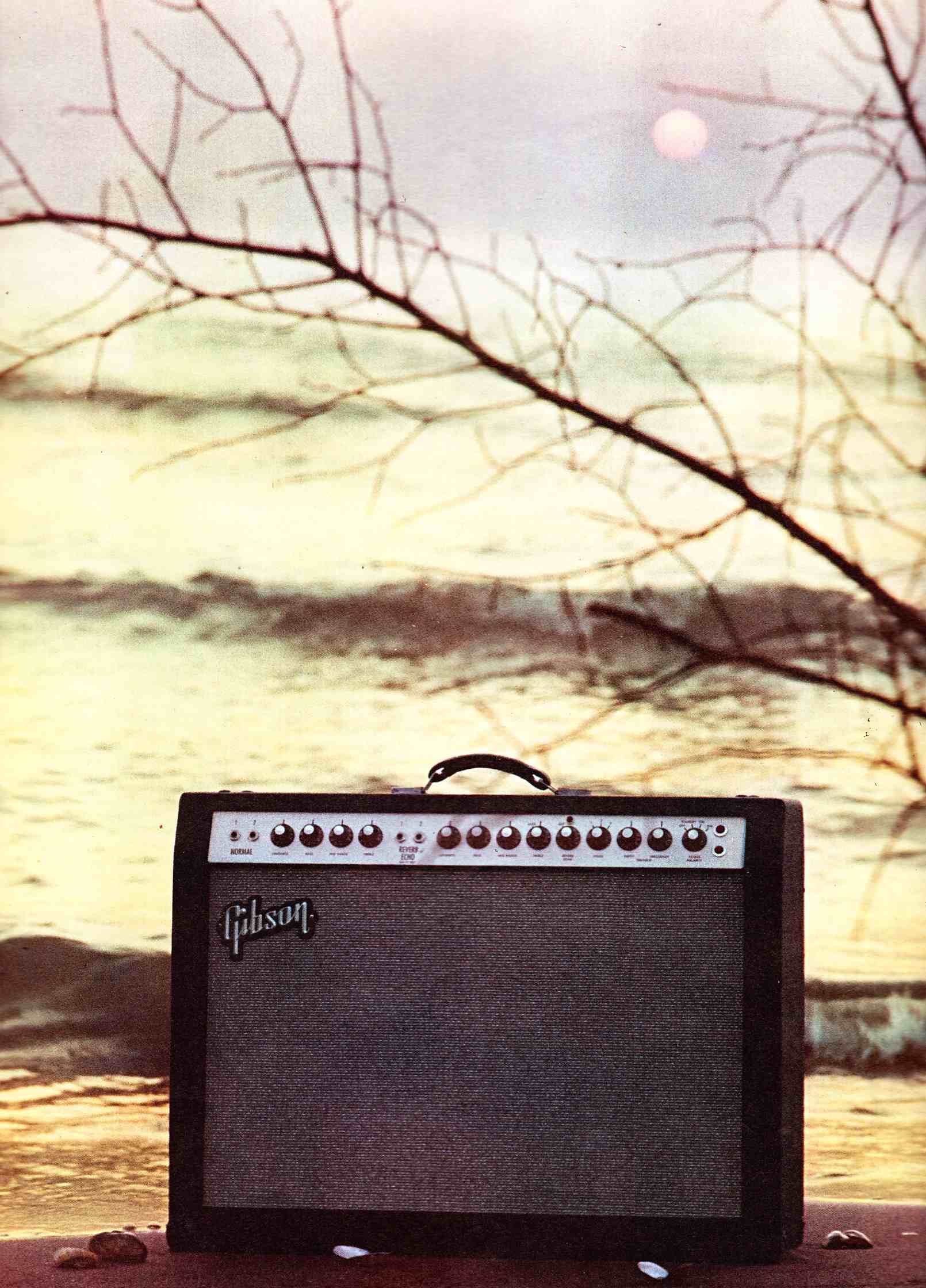
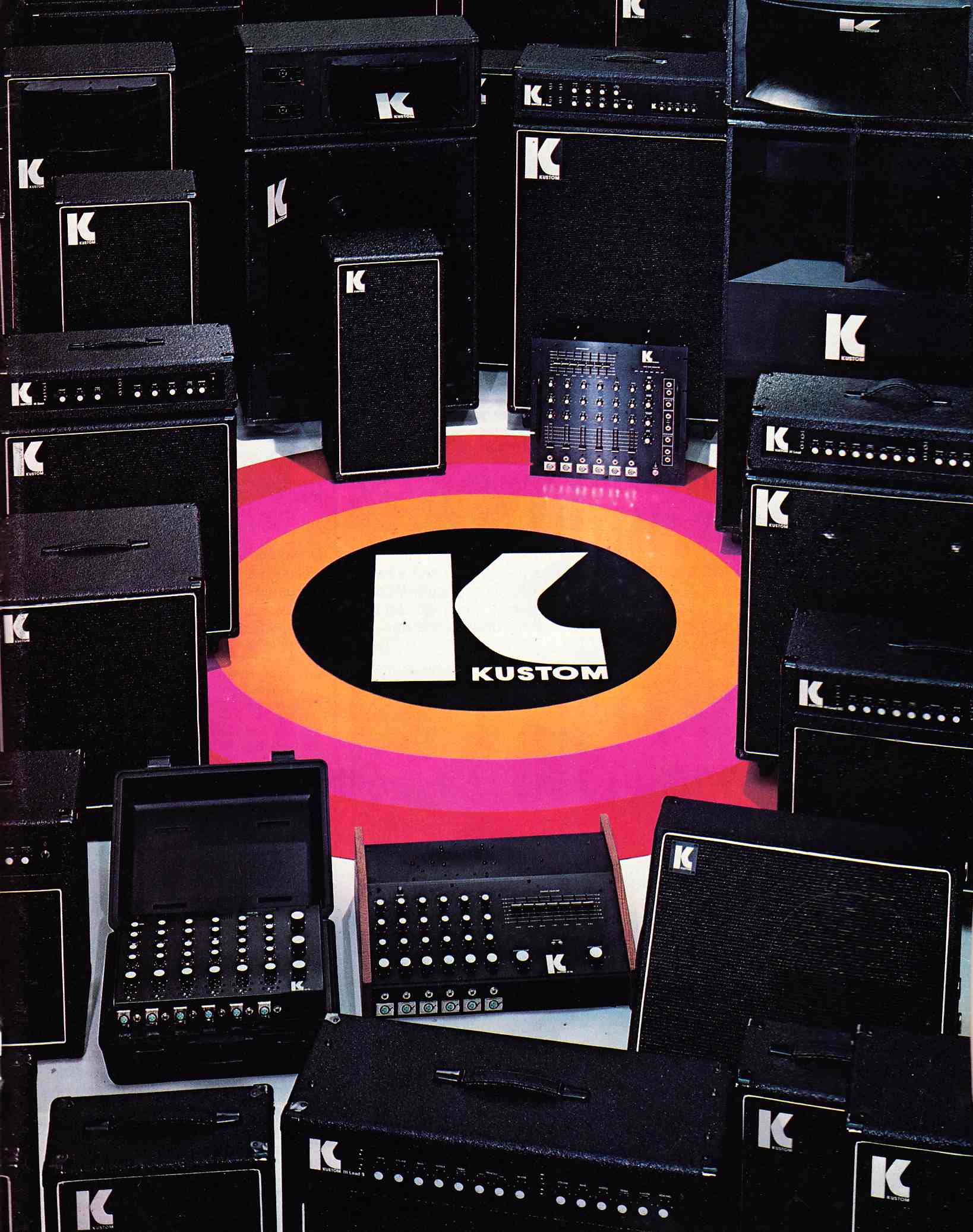
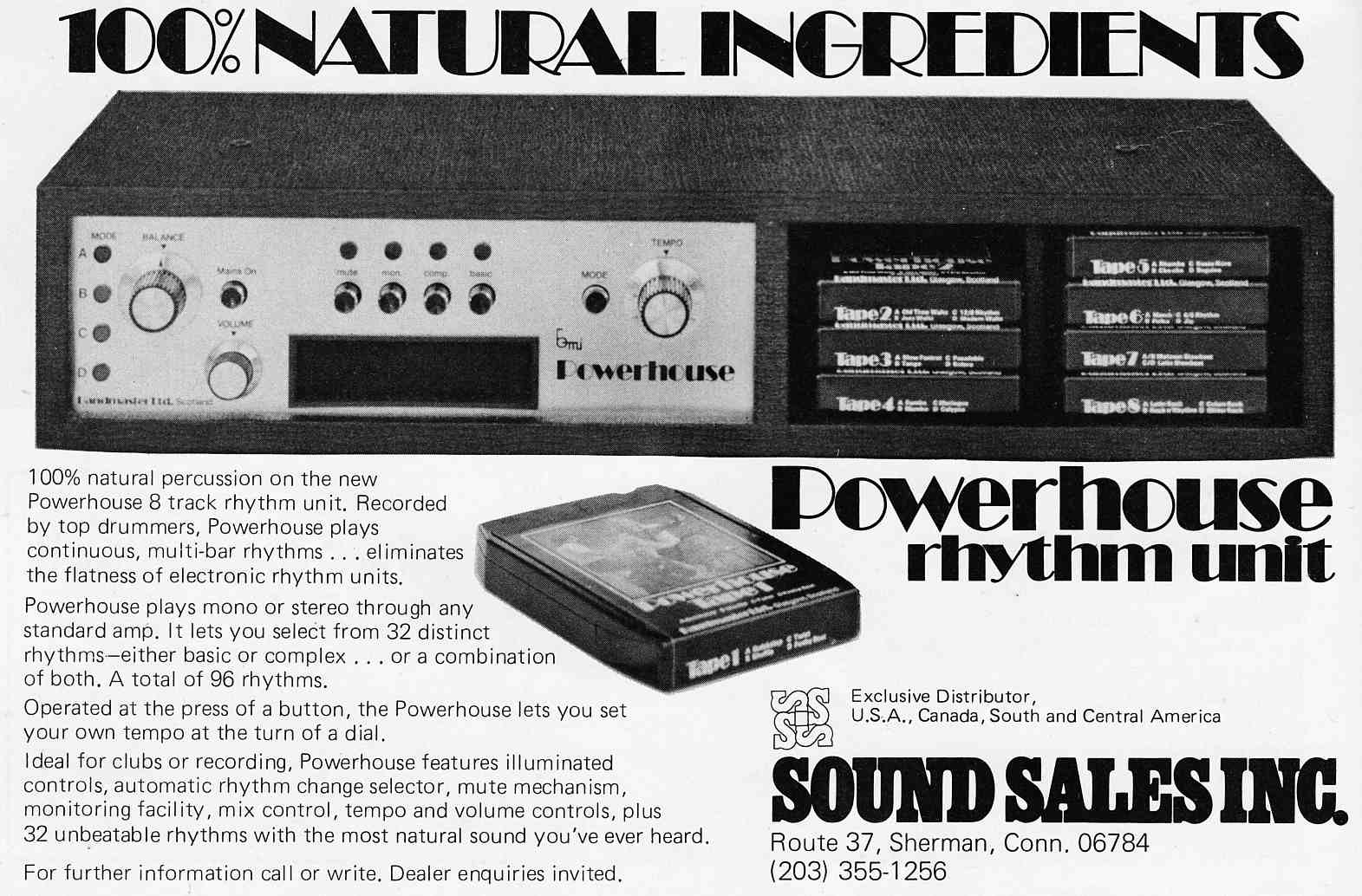
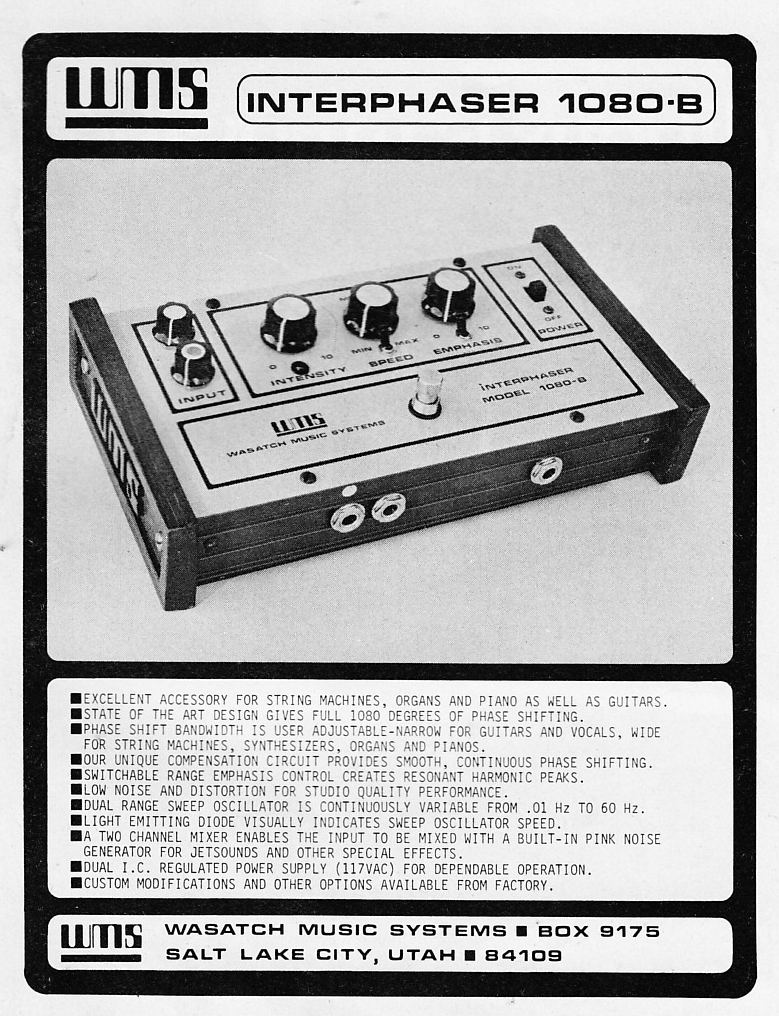
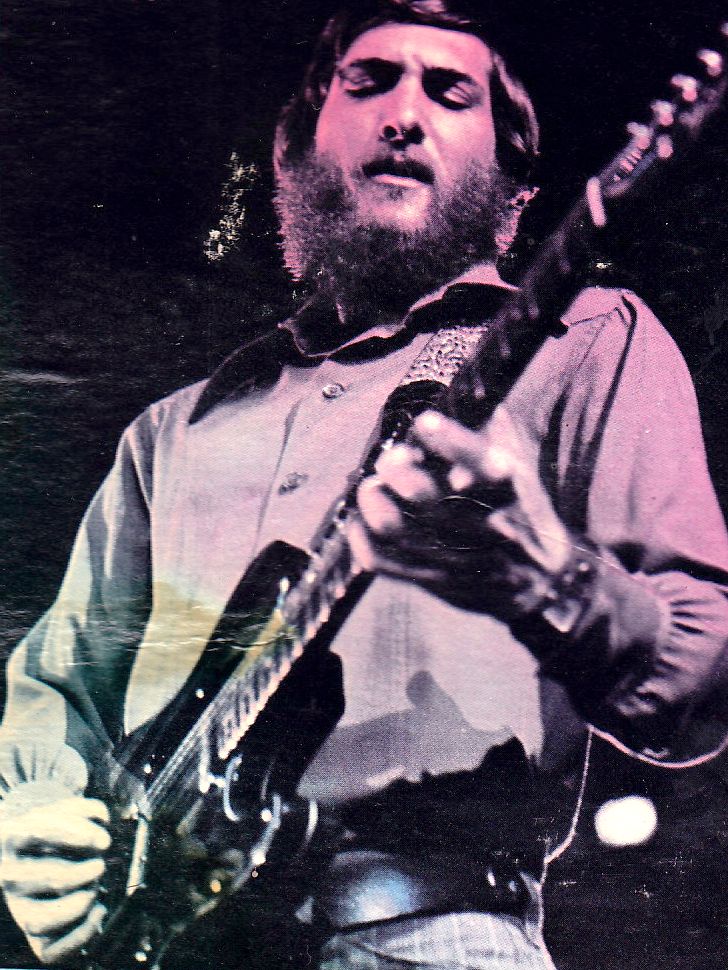
 Download a twelve-page scan of the entire guitar-amp line represented in Gibson’s 1966 catalog:
DOWNLOAD: Gibson_amps_1966
Models covered, with specs and photos, include: Gibson GSS-100, GSS-50, and PLUS-50 solid-state amplifiers; Gibson Titan, Mercury, Atlas, and Atlas Medalist (Bass) amps; Vanguard GA-77, Apollo GA-95, Multi-stereo GA-79, Ranger GA-66, and Saturn GA-45 Reverb/Tremolo amps; Lancer GA-35, Minuteman GA-20 RVT, Explorer GA-15 RVT, Recording GA-75 and GA-75L, Skylark GA-5 and GA-5T practice/studio amps.

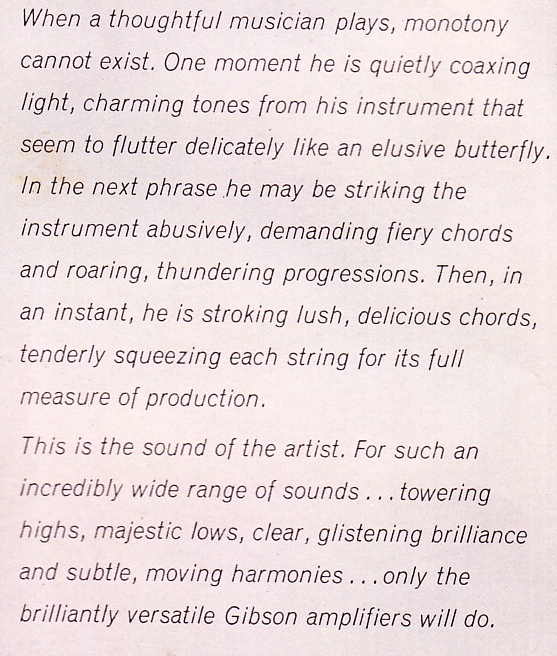 Above is some of the most awful product-prose that I have ever encountered, taken directly from p.16 of the 1966 catalog. ‘Butterflies, Stroking, Squeezing the full measure …..’ Were these people fucking high? Actually, the problem is that they probably weren’t high. Yet. 1966 seems to have been a decisive year in musical-instrument marketing; the very last year that manufacturers denied the very existence of Rock and Roll. Most of the catalogs and advertisements from 1966 (and earlier) were very staid, grown-up, and had a romantic rather than… aquarian… sensibility. In 1967 we start to see the bright colors, bold graphic design, and general emphasis on youth that remain in most musical-instrument marketing even today.
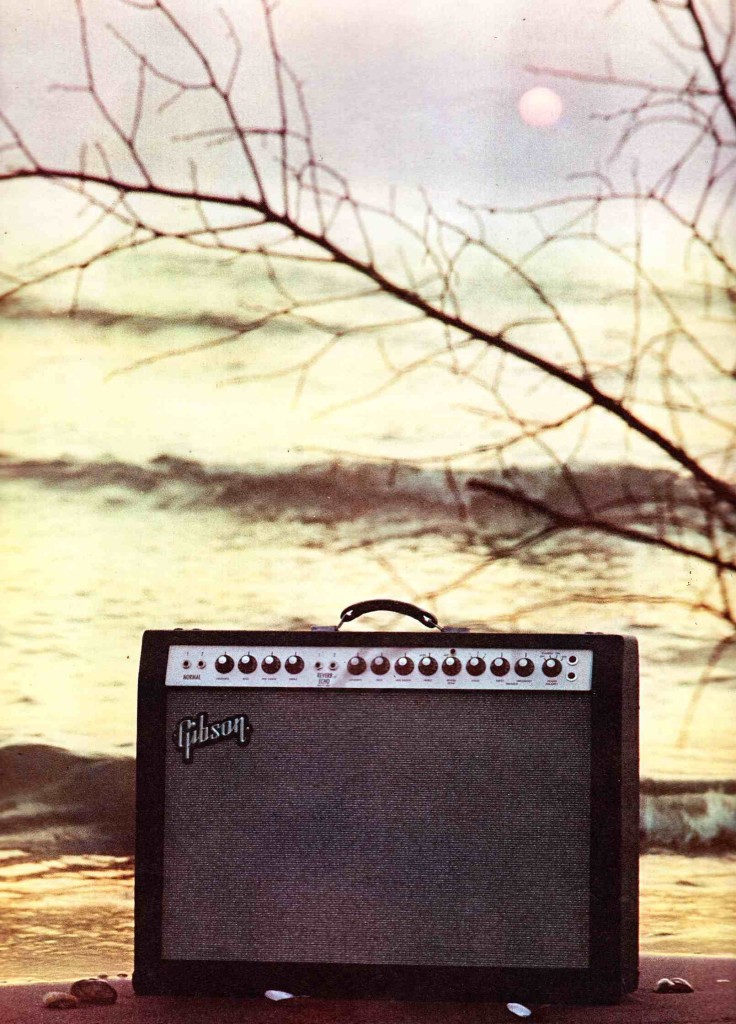
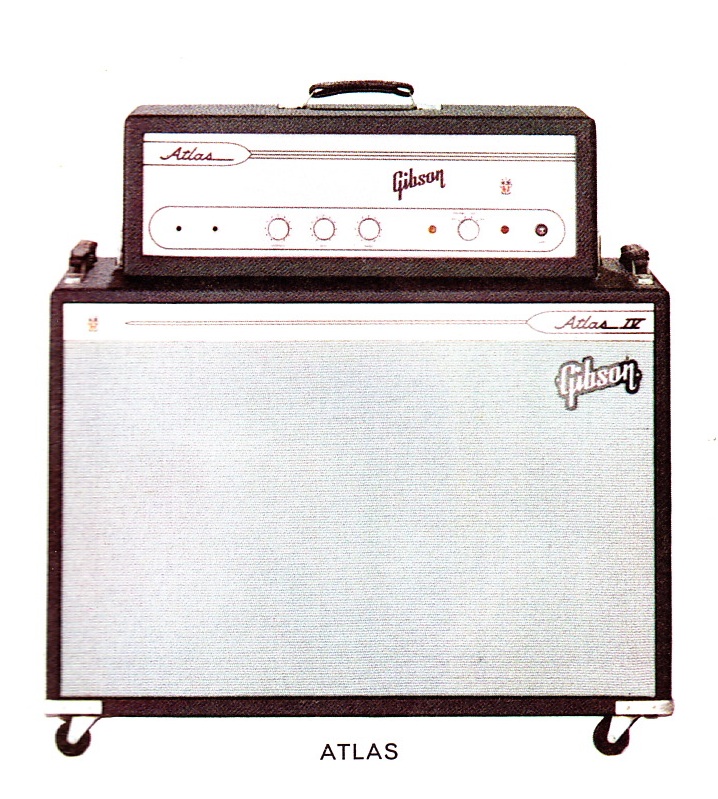 Above, the Gibson Atlas. What a beautiful piece of industrial design this is. After I came across this catalog, I looked for any examples of this unit for sale. I could not find a single one. While I am sure that the Gibson Atlas did not ship in nearly the same numbers as, say, a Fender Bassman, there is another reason that these 60’s Gibson amps are not too common today: reliability and build quality. While Gibson amps of the 1940s-60s are excellent sounding in general, Leo Fender really had these midwesterners beat as far as construction quality. Earlier this month I serviced a couple of early 60s Gibsons for a client. Opening up a mint-condition Gibson circa ’62 student amp… I can’t recall the model, but it was a PP 6AQ5 amp with fixed-depth trem… anyway, opened it up to find a few haphazardly placed terminal strips, and even a few multi-component junctions meeting in mid-air. This is in sharp contract to the build of even the cheapest Fenders, all of which have carefully laid-out, serviceman-friendly terminal boards. The same construction techniques you will find in much military and commercial hardware of the pre-PCB age. This is not surprising when you remember that Leo Fender began his career as a radio repairman rather than as a luthier or musician. As you (IF you) learn to design and build tube audio equipment, take some time to open up as many old pieces of hardware as you can find. $2, $5 pieces… old test equipment, radios, organs… check out the construction and mounting techniques, lead dress, solder joints… you will find a huge variety of techniques used, all of which will have some useful applications in your own work. This is all the stuff that can’t learn from schematics, and certainly not from reading (blogs) online.
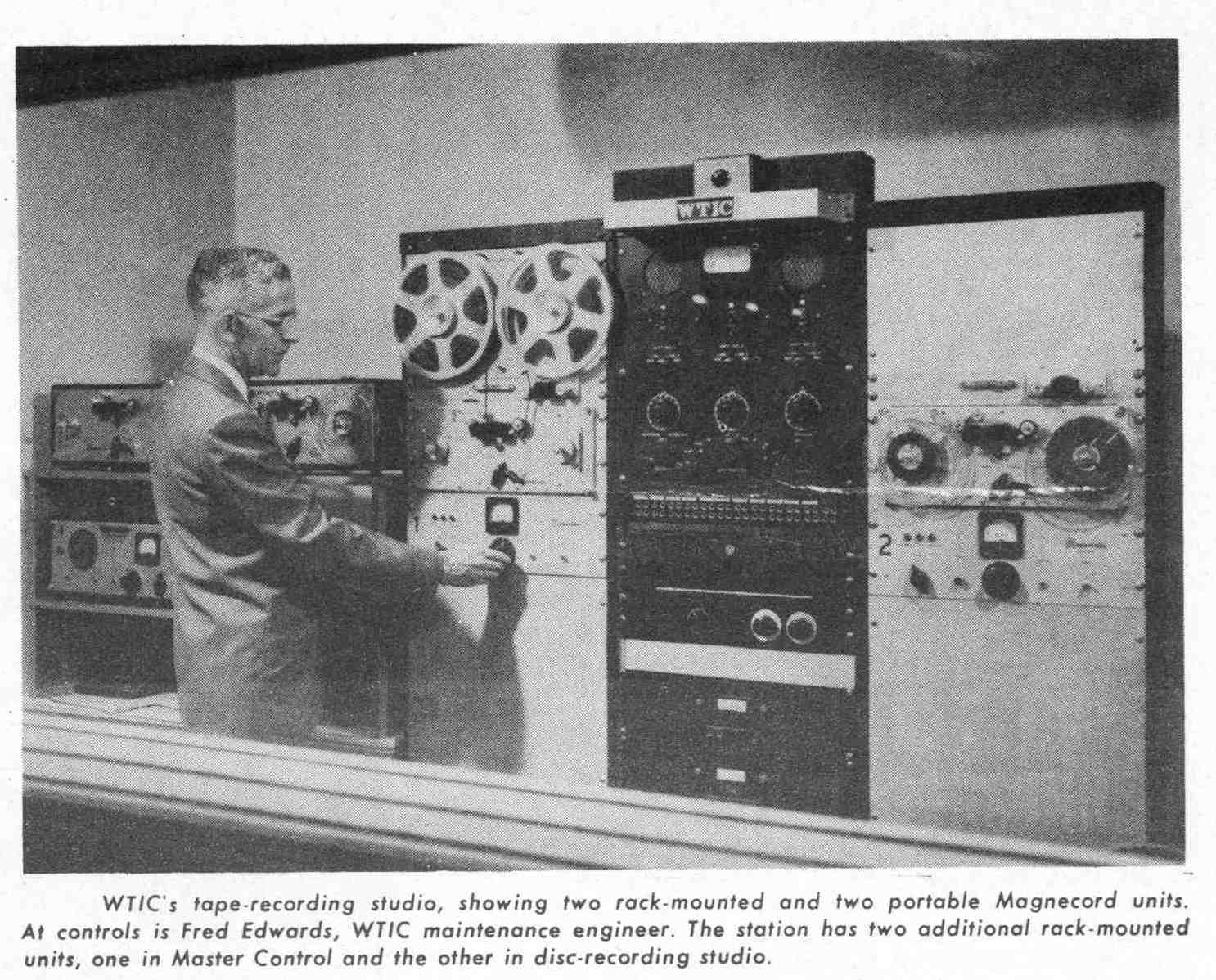
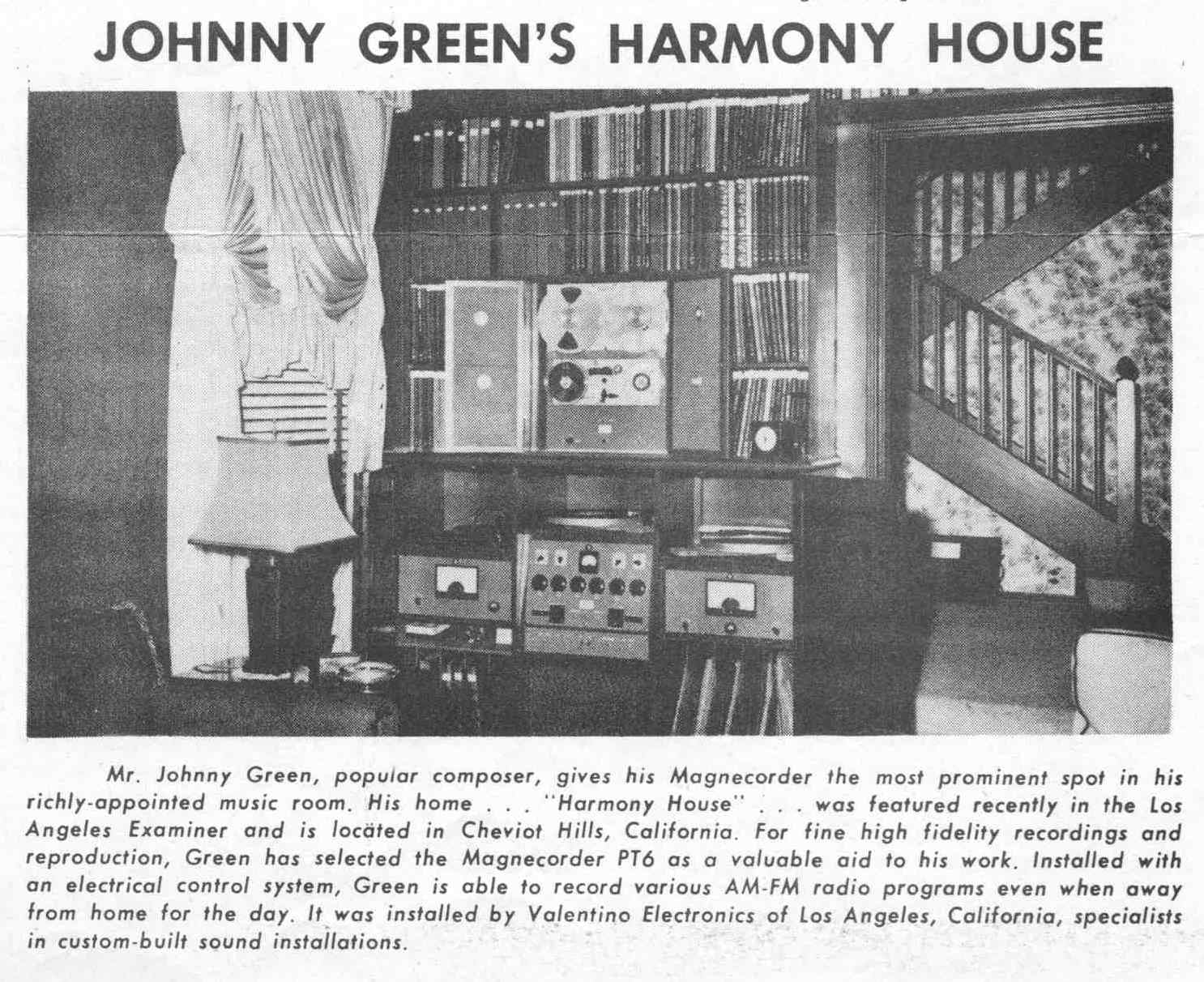
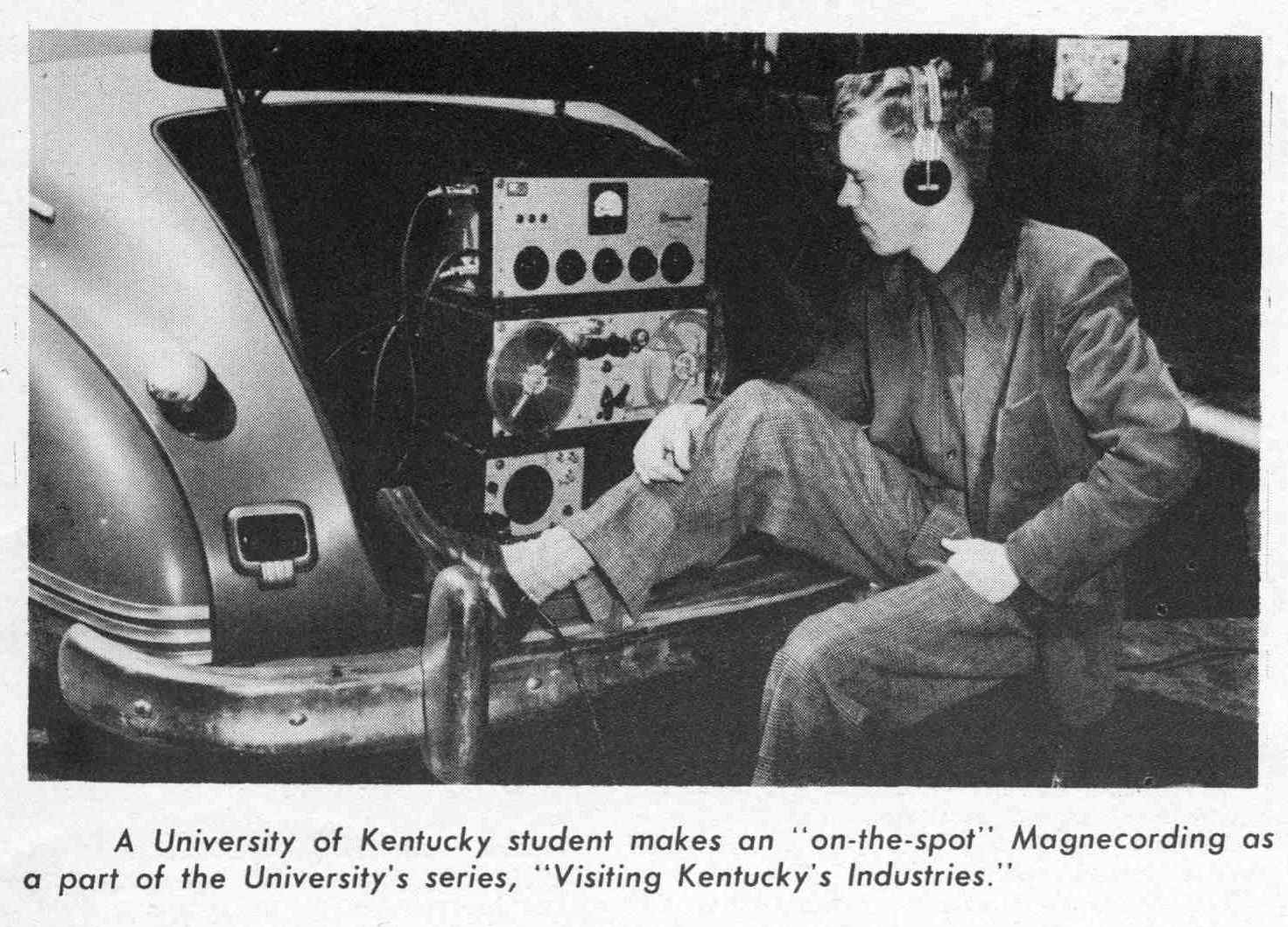
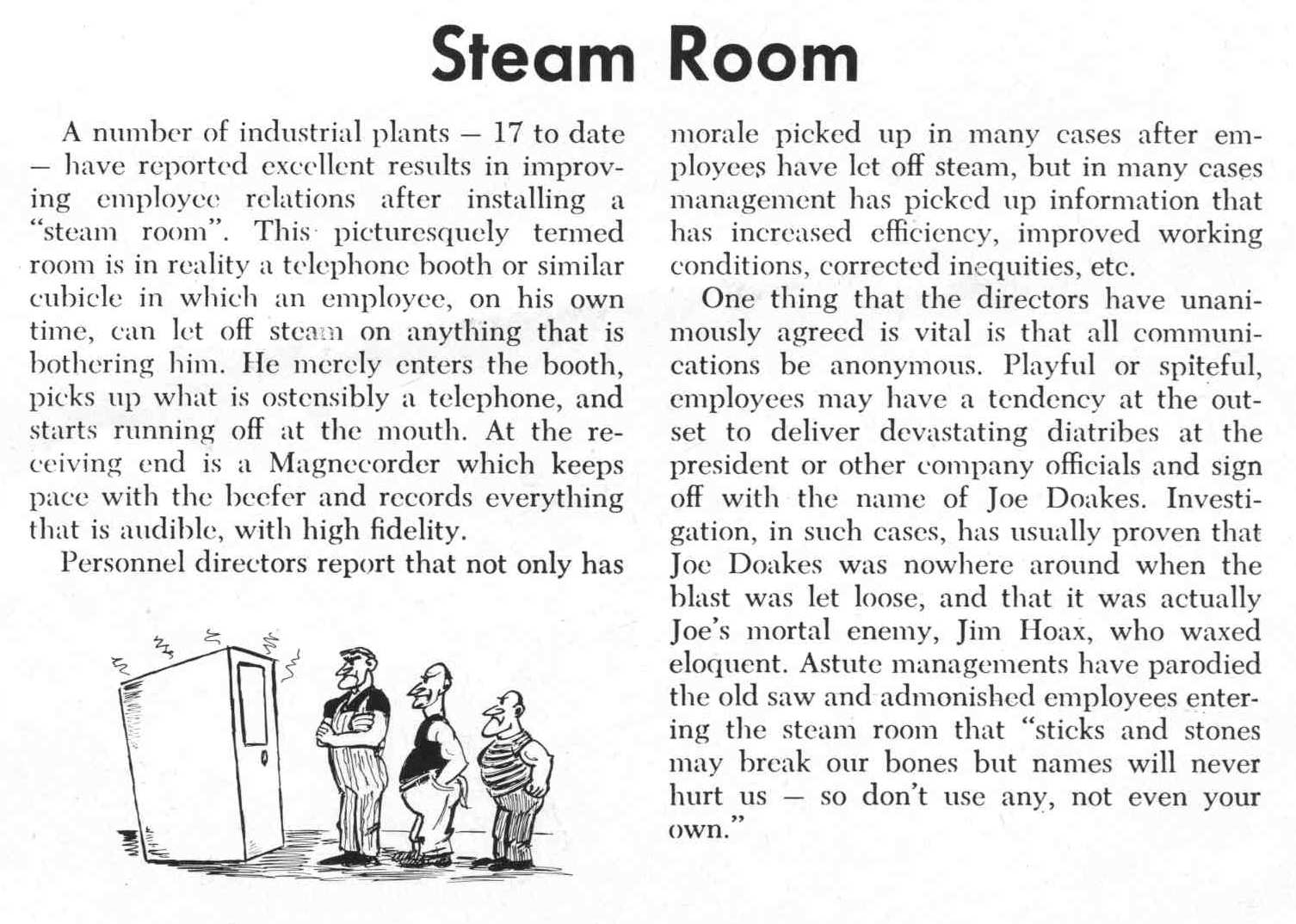
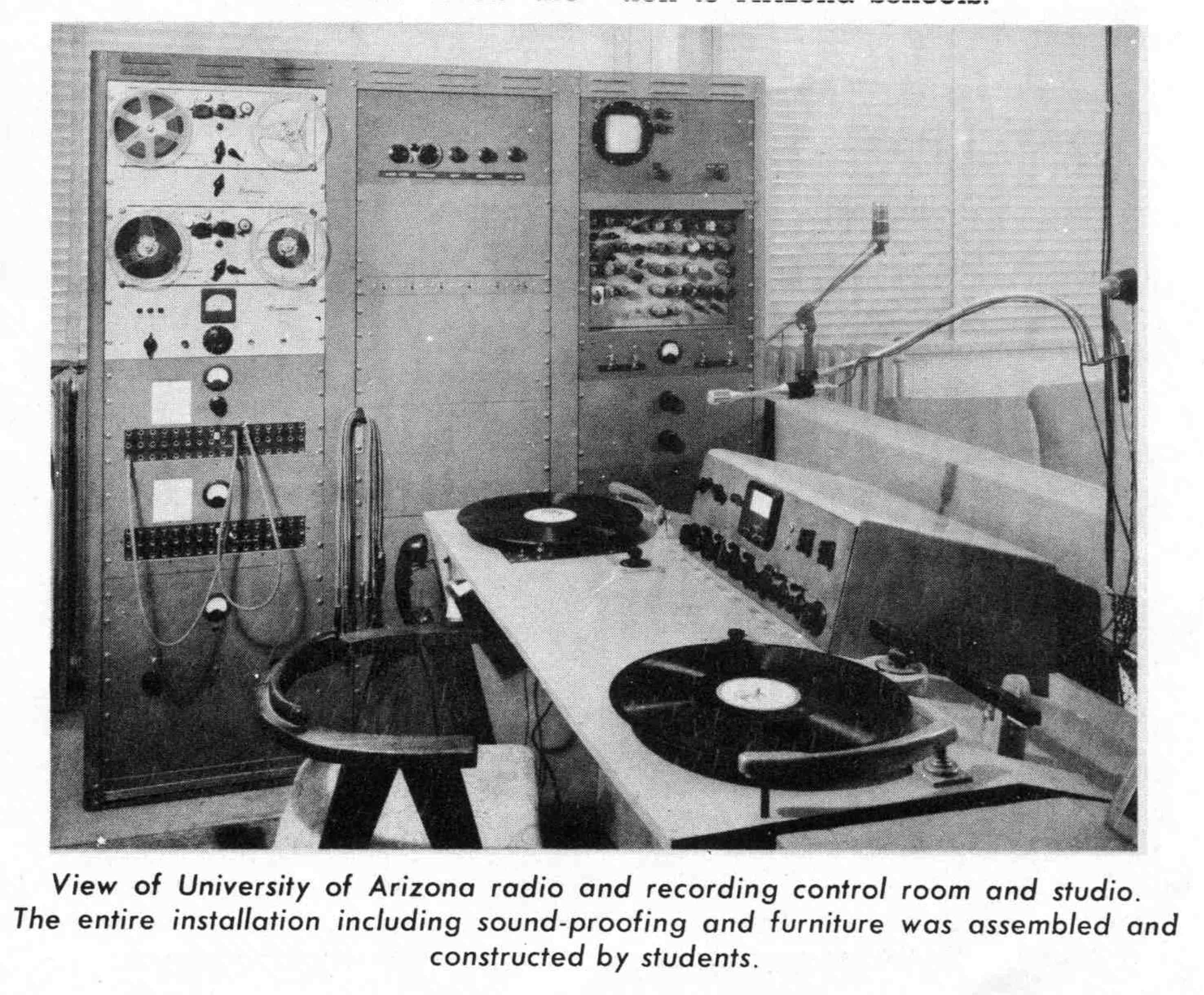 Today we’ll wrap up our series of original-source documents pertaining to Magnecord corporation, one of the pioneers of high-fidelity recording.
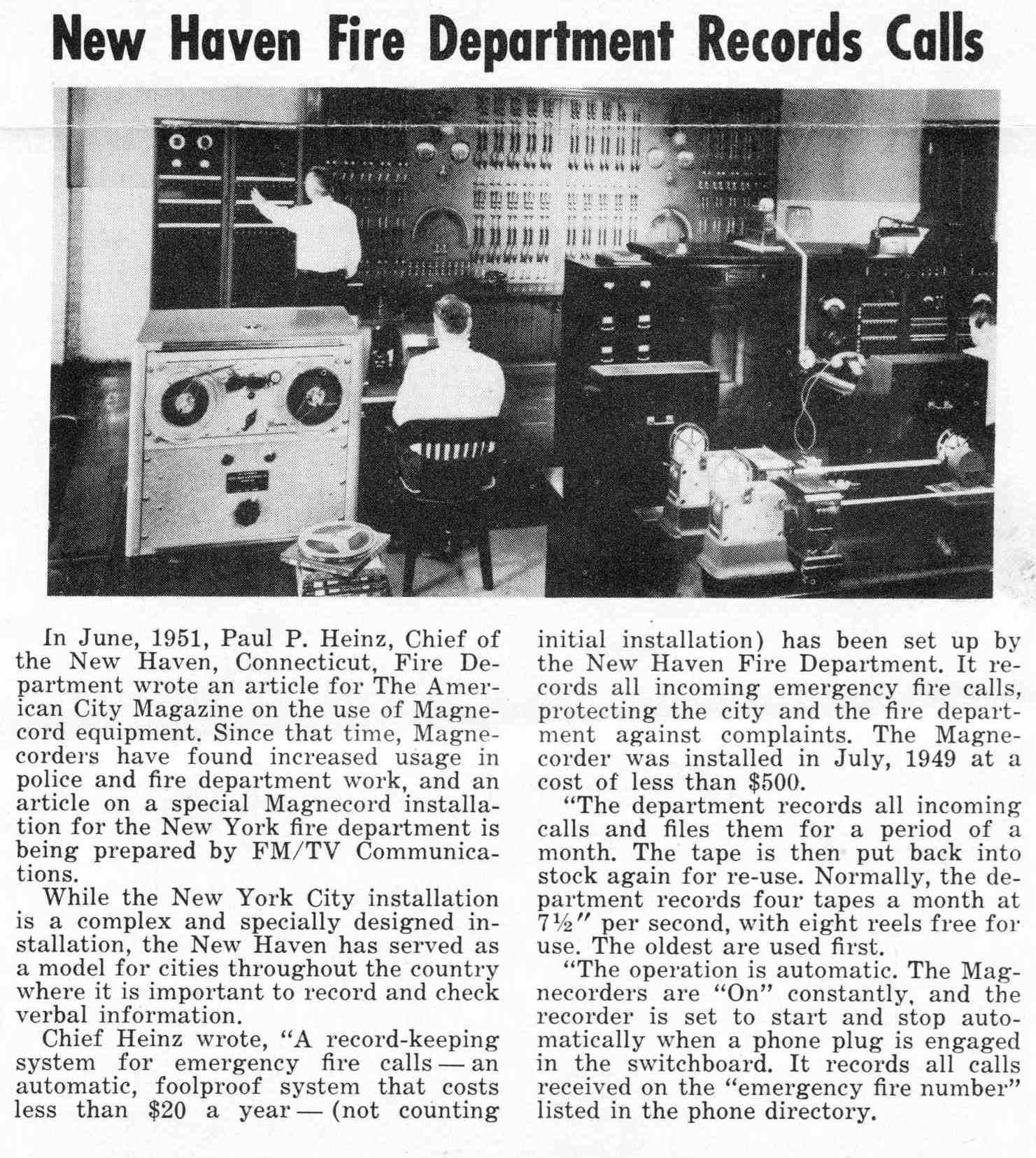 As I noted earlier in this series, these documents are fascinating because they reveal a culture beginning to grasp the potential of affordable, widely accessible audio-recording. Each issue of ‘Magnecord, INC’ describes what were essentially new-ideas as far as recording and playing-back sound in various artistic and commercial/industrial applications. Consider the example above: the New Haven fire dep’t circ 1951. Notice that there is no mention in this piece about enhancing public health and/or safety: here, the Magenecorder is being used to “..protect() the city and the fire department against complaints.” While I am not saying that this was the birth of ‘PYA,’ aka, ‘Protect Your Ass,’ it’s certainly an example of an early milestone. “This call is being recorded for quality and training purposes.” Here’s where it began…